This article may contain affiliate links. If you book through them, we may earn a small commission at no extra cost to you.
On this page
Introduction: The Craft City That Osaka Forgot
Twenty minutes south of Osaka's Namba Station by train, a city of 800,000 people carries on a 600-year tradition of metalworking that produces the finest kitchen knives in the world. Sakai (堺) was, in the Muromachi period, Japan's most important international trading port — larger than Osaka, wealthier than most of the country, and self-governing in a way that was almost unique in feudal Japan. The tobacco cutters introduced with Portuguese contact in the 16th century became kitchen knives; the kitchen knives became the standard equipment of Japan's most demanding professional cooks; and the tradition continues today in workshops that supply the best restaurants in Japan, France, and the United States.
Sakai Knives (堺刃物): The Craft
Sakai knives (堺刃物 / Sakai hamono) hold approximately 90% of Japan's professional chef knife market — the knives used in virtually every serious Japanese restaurant are made here. The tradition began when tobacco cutters were commissioned from Sakai's metalworkers following the introduction of tobacco from Portugal in the 16th century; Oda Nobunaga granted Sakai a government monopoly on tobacco cutters, establishing the commercial foundation for the knife industry.
The defining characteristic of Sakai knives is their laminated construction: a hard high-carbon steel cutting edge is welded onto a softer iron body, allowing extreme sharpness (the edge hardness of the finest Sakai knives exceeds what most Western knife steel achieves) without brittleness. The forging, shaping, polishing, and handle-fitting are performed by separate specialist craftspeople — a division of labor that allows each step to reach the highest possible standard.
Sakai Knife Workshop Visits
Several Sakai knife workshops welcome visitors by appointment or during designated visiting hours:
Several long-established makers in the Sakai hamono district open their forges to visitors on set days or by appointment — the Traditional Crafts Museum below keeps the current list and can help arrange visits. The sound and smell of the metalwork — the ringing of hammer on steel, the smell of cooling water and hot iron — is distinct and memorable.
Suisin (水心): A well-established knife manufacturer offering both a retail shop and occasional workshop access. The retail shop sells professional-grade knives at prices significantly lower than the same product in Tokyo or overseas.
The Knife Museum (堺伝統産業会館)
The Sakai City Traditional Craft Museum is the easiest single-stop introduction to Sakai's knife culture — well-organized displays covering the history and technique of Sakai knife manufacture, examples of the full range of knife types (each Japanese kitchen knife style has a specific name, function, and optimal use), and a retail section where visitors can purchase directly from makers at maker prices.
Mozu Kofungun (百舌鳥古墳群): The Keyhole Tombs
Sakai contains one of Japan's most extraordinary historical landmarks that almost no international visitor has heard of: the Mozu Kofungun (百舌鳥古墳群) — a cluster of 44 ancient burial mounds (ancient tombs / 古墳 / kofun), including the largest burial mound by area in the world.
Daisen Kofun (大仙古墳) — attributed to the Emperor Nintoku (5th century CE) — measures 486 meters in length and 305 meters in width. The keyhole shape (round at one end, square at the other) is visible only from the air, but the moats surrounding the mound are accessible on foot via a 3 km circumference path. The mound is forested and managed as a public park, giving no sense from ground level of the extraordinary scale visible in aerial photographs.
The Mozu-Furuichi Kofun Group was registered as a UNESCO World Heritage Site in 2019 — bringing belated international attention to a historical phenomenon that had been hiding in plain sight in southern Osaka for 1,600 years.
Myokokuji (妙国寺): The Ancient Sago Palm
Myokokuji is a Buddhist temple in central Sakai with a remarkable claim: its sago palm (ソテツ) — a prehistoric cycad plant approximately 1,100 years old — is designated a National Natural Monument. The plant, over 3 meters tall and of considerable lateral spread, represents one of Japan's oldest living organisms in an urban setting. The temple's history includes an incident where Oda Nobunaga, according to legend, heard crying from the sago palm and ordered it not to be cut — a story that encapsulates the Japanese sensitivity to the spiritual presence in living things.
Recommended Base Hotels
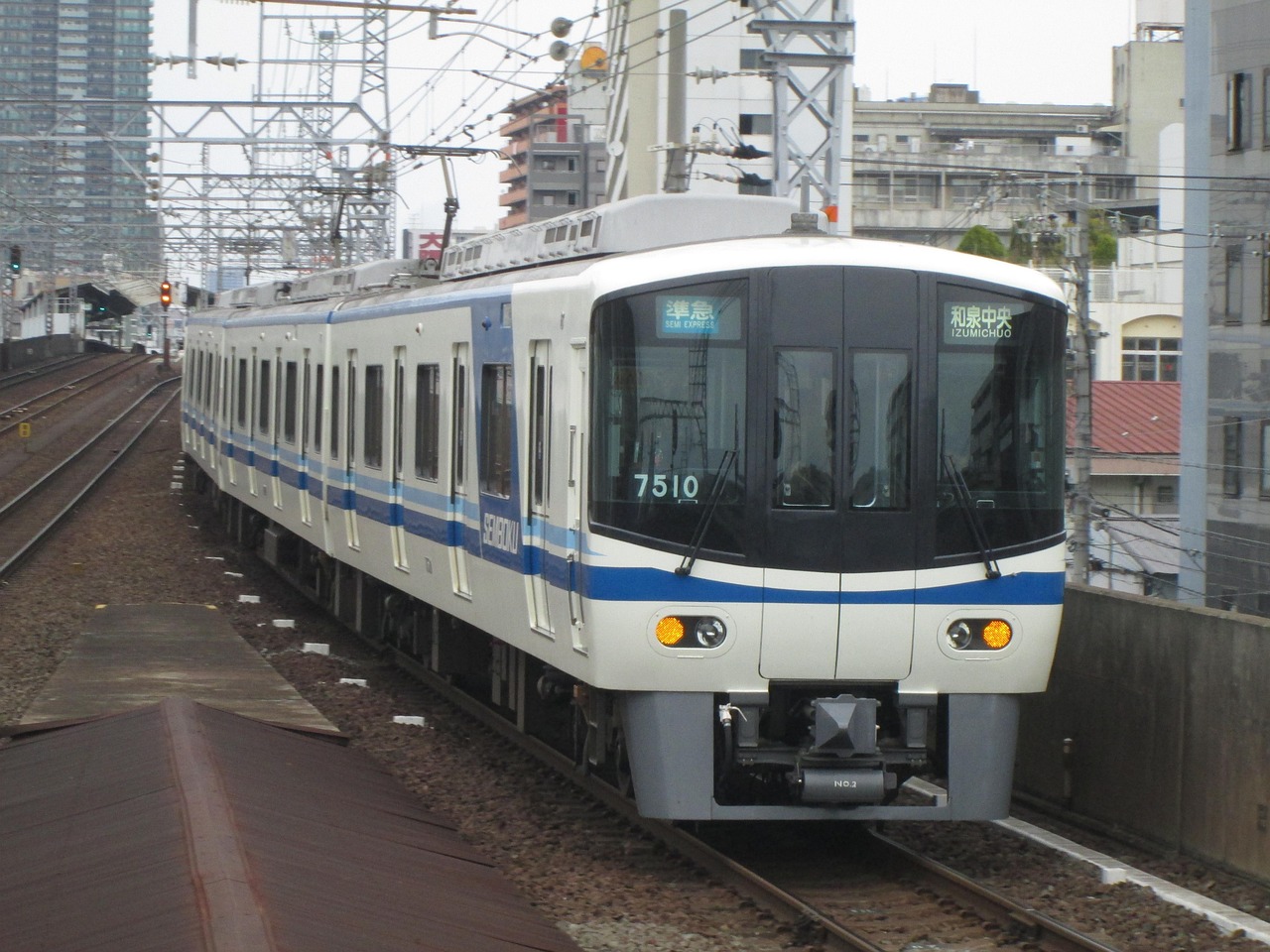
Osaka Namba hotels provide the best base for a Sakai day trip — 13 minutes by Nankai Line. Cross Hotel Osaka (Mid-range / from ¥12,000) is ideal.
Planning where to stay in Osaka? Browse our honest hotel picks and area guides.
🏨 Planning where to stay?
Every area guide on this site pairs with honest, station-by-station hotel picks. Start here: Osaka Hotel Guides →