This article may contain affiliate links. If you book through them, we may earn a small commission at no extra cost to you.
On this page
Introduction: Japan's Most International City
Kobe (神戸) is different from every other Japanese city. The difference is embedded in the city's physical fabric: the Western-style residences on the Kitano hillside, the Chinese temple in Nankinmachi, the harbor that has connected Kobe to the world since the city was opened to foreign trade in 1868. Kobe developed its international character not as an abstraction but as a consequence of actual foreign presence — merchants, diplomats, and traders who built their lives here and left their architecture, their restaurants, and their influence on the city that received them.
The result is a city with a cosmopolitan ease unusual in Japan — a city where the combination of outstanding food, distinctive architecture, and a harbor that frames the urban landscape creates one of the most enjoyable single-day experiences available anywhere in the Kansai region.
Morning: Kitano Ijinkan (北野異人館) — The Foreign Settlement Hillside
Kitano (北野) is the hillside neighborhood where foreign residents built their Western-style homes after Kobe's opening to international trade. The ijinkan (異人館) — "foreign houses" — range from English Victorian to German Wilhelmine to American colonial in style, their variety reflecting the international composition of Kobe's foreign resident community.
Several of the best-preserved homes are open to the public:
The Weathercock House (風見鶏の館): The most famous ijinkan — a red brick German merchant's residence built in 1909, topped with the weathercock that gives it its name. Interior furnished in period style; the turret room and main dining room are particularly well-preserved.
Uroko House (うろこの家): Covered in fish-scale-shaped stone tiles imported from France, this is the most visually distinctive of the ijinkan. The interior holds a small art collection, and the terrace provides one of the best views of Kobe harbor.
Moegi House (萌黄の館): An American consul's residence built in 1903 — painted the distinctive pale green (moegi-iro) that gives it its name. The combination of colonial-American porch architecture and Japanese hillside setting is one of Kitano's most photographed compositions.
Practical note: Most ijinkan charge individual entry fees (¥500–¥1,000 per house). A combined ticket for several houses provides better value. Allow 1.5–2 hours for Kitano.
Mid-Morning to Noon: Nankinmachi (南京町) — Kobe's Chinatown
Kobe's Chinatown — Nankinmachi (南京町) — is Japan's second-largest after Yokohama. Chinese merchants arrived in Kobe with the port's opening in 1868, establishing a community whose culinary and architectural presence has shaped the neighborhood ever since.
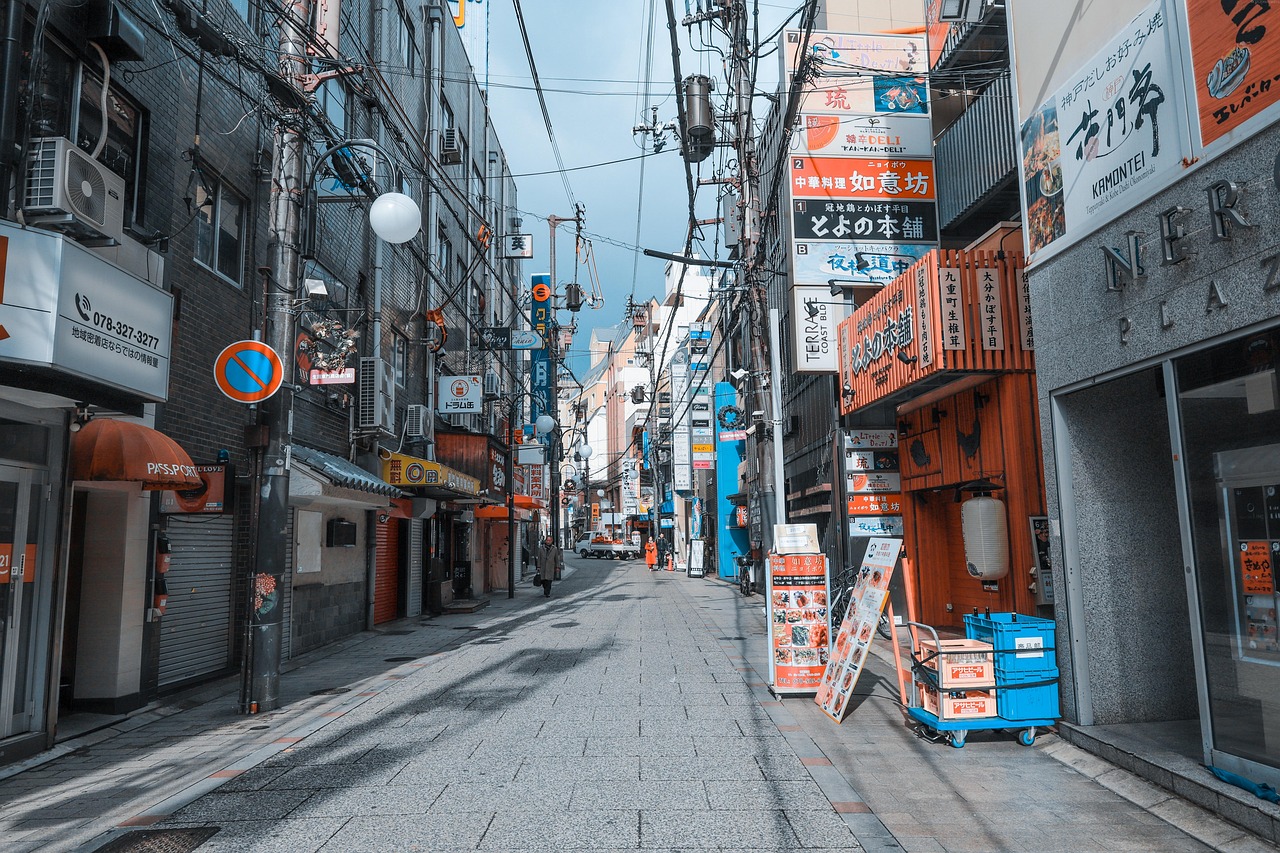
Nankinmachi covers approximately two city blocks and contains over 100 Chinese restaurants, food stalls, and shops. The atmosphere is denser and more concentrated than Yokohama Chinatown — the narrower streets make the food smells and vendor calls more immediate.
What to eat:
Butaman (豚まん): The Kobe Chinese pork bun — larger and with a different dough texture than the Yokohama version. Roushouken (老祥記) on the main square has been making the definitive Kobe butaman since 1915. The queue is constant; the bun is worth it.
Gyoza: Pan-fried dumplings at several stalls offer the standing-eating experience that Nankinmachi encourages.
- Chinese sweets: Egg tarts, sesame balls, and almond jelly from the stalls along the main arcade.
Lunch: Kobe Beef
The midday priority is Kobe Beef. As detailed in the wagyu guide, Kobe Beef is the most precisely defined and internationally recognized of Japan's wagyu brands, and eating it in Kobe — in its home city, from restaurants that have access to the freshest stock — is the correct way to experience it.
Recommended restaurants for lunch (accessible price range):
Kobe Plaisir (神戸プレジール): Shabu-shabu using A5 Kobe Beef — excellent quality, lunch courses from approximately ¥15,000 per person.
Ishida (いしだ): Kobe Beef teppanyaki — the iron griddle style that showcases the beef's searing qualities. Lunch from approximately ¥12,000.
Wakkoqu (ワッコク): A Kobe institution known for making Kobe Beef accessible — lunch courses from approximately ¥8,000. The quality-to-price ratio is considered excellent by local standards.
Afternoon: Meriken Park and the Harbor
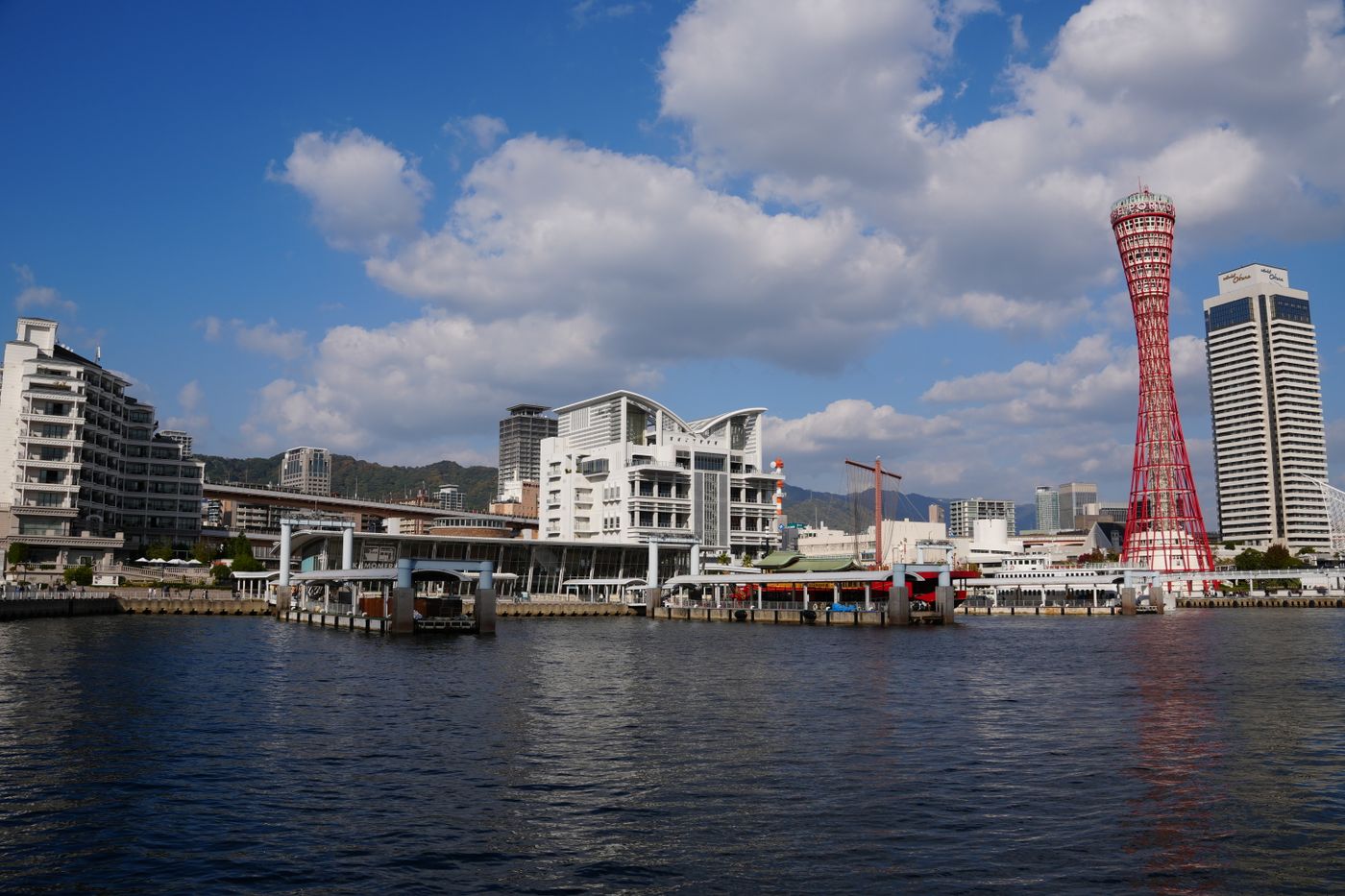
Meriken Park (メリケンパーク) — the harbor-front park that contains the Kobe Port Tower (神戸ポートタワー), the Kobe Maritime Museum, and the Be Kobe (BE KOBE) sign (the most photographed spot in the city) — is Kobe's harbor face. The view from the Port Tower across the bay toward Osaka and, on clear days, the mountains of the Kii Peninsula gives the best sense of Kobe's geographic position.
The 1995 Earthquake Memorial: Within Meriken Park, the Port of Kobe Earthquake Memorial Park (神戸港震災メモリアルパーク) preserves the remains of a quay destroyed in the Great Hanshin Earthquake (阪神淡路大震災) of January 17, 1995 — which killed 6,434 people and destroyed significant portions of the city. The preserved damage — broken concrete, tilted wharf sections — is maintained as both memorial and educational site, and represents a dimension of Kobe's story that the city's beauty and sophistication might otherwise allow visitors to overlook.
Recommended Base Hotels
- The Ritz-Carlton Kobe (Luxury / from ¥50,000): The finest hotel in Kobe, harbor-view rooms.
- Hotel La Suite Kobe Harborland (Mid-range to luxury / from ¥25,000): Harbor front, excellent views.
- ANA Crowne Plaza Kobe (Mid-range / from ¥18,000): Excellent central location.
Planning where to stay in Kansai? Browse our honest hotel picks and area guides.
🏨 Planning where to stay?
Every area guide on this site pairs with honest, station-by-station hotel picks. Start here: Hyogo Hotel Guides →