This article may contain affiliate links. If you book through them, we may earn a small commission at no extra cost to you.
On this page
Introduction: The Pursuit That Takes a Lifetime
In 2006, the Japan Castle Foundation (日本城郭協会) officially designated the "100 Famous Japanese Castles" (日本100名城) — a curated list of the country's most historically and architecturally significant castle sites — and simultaneously created a stamp rally (スタンプラリー) system: a passport booklet in which visitors collect official stamps (スタンプ) from each of the 100 sites, with the completed booklet certified by the foundation.
What began as a tourism promotion initiative has become one of Japan's most dedicated niche travel pursuits — a community of shirojo (城女 / "castle girls") and shiromen (城男 / "castle men") who plan travel specifically around castle stamp collection, maintain active online communities discussing castle history and access logistics, and approach completion of the 100 (and subsequently the additional "Sequel 100" / 続日本100名城 designated in 2017) with the seriousness of a long-term personal project.
The 12 Original Castle Towers: Stamp Priority
As covered in the Japanese Castle Guide article, the 12 surviving original castle towers (現存12天守) represent the most historically significant subset of any castle site list. All 12 are included in the 100 Famous Castles designation:
Group 1 (Essential visits):
- Himeji Castle (姫路城) — Hyogo / UNESCO
- Matsumoto Castle (松本城) — Nagano
- Inuyama Castle (犬山城) — Aichi
- Hikone Castle (彦根城) — Shiga
Group 2 (Significant but less famous):
- Maruoka Castle (丸岡城) — Fukui
- Marugame Castle (丸亀城) — Kagawa
- Bitchu-Matsuyama Castle (備中松山城) — Okayama
- Matsuyama Castle (松山城) — Ehime
Group 3 (Remote but rewarding):
- Kochi Castle (高知城) — Kochi
- Uwajima Castle (宇和島城) — Ehime
- Matsue Castle (松江城) — Shimane
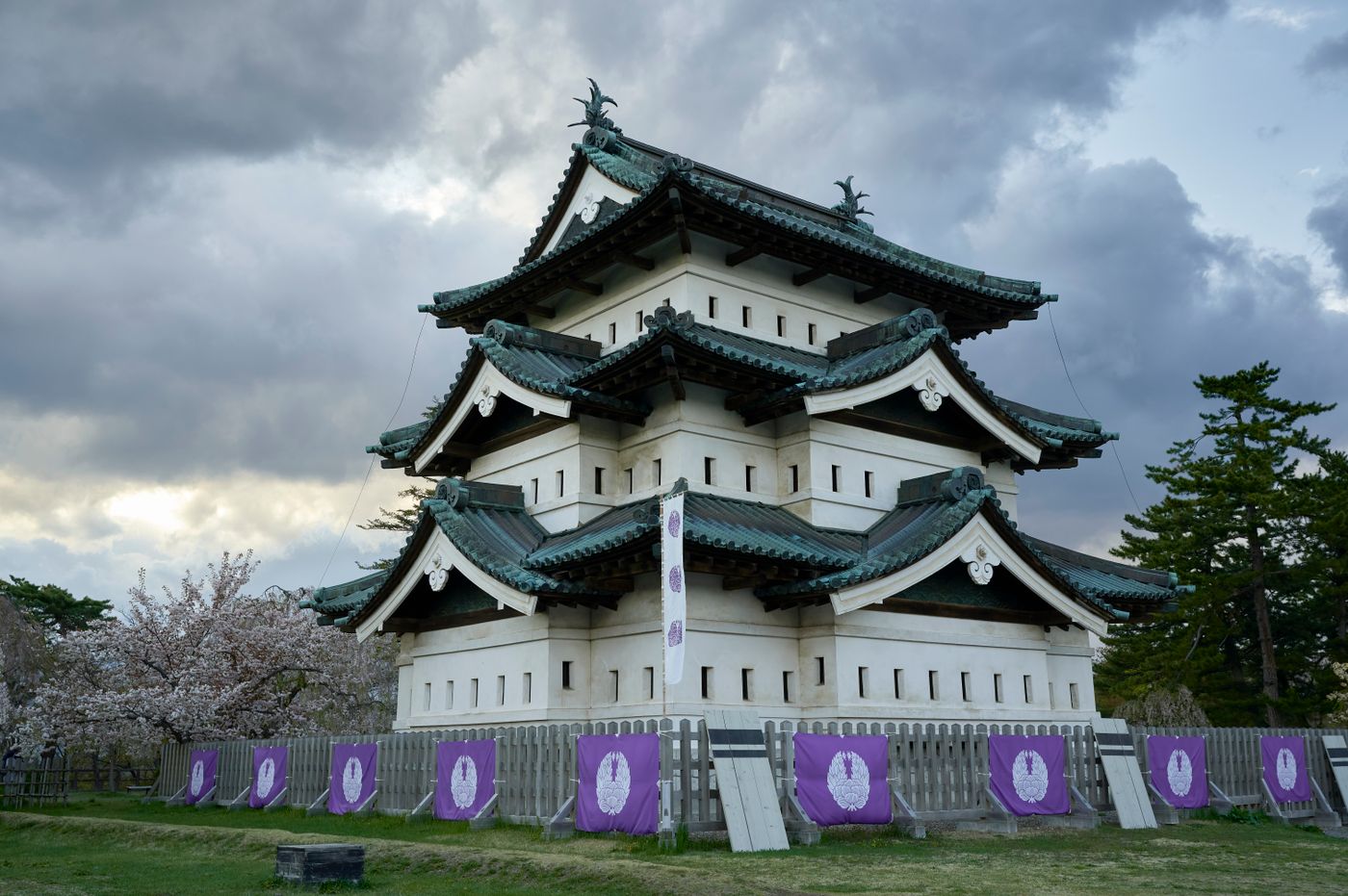
- Hirosaki Castle (弘前城) — Aomori
Regional Stamp Rally Circuits
Kanto and Chubu (10 castles accessible from Tokyo)
Day trip options: Hachioji Castle (Hachioji, 45 min from Shinjuku), Edo Castle (Imperial Palace, Tokyo), Kawagoe Castle (Kawagoe, 30 min from Shinjuku).
- Overnight options: Odawara Castle (Kanagawa), Matsumoto Castle (Nagano, 2.5 hours), Ueda Castle (Nagano).
Kansai Circuit (12 castles, excellent rail connections)
The densest concentration of significant castle sites accessible by efficient rail connections — Osaka Castle, Nijo Castle, Himeji Castle, Hikone Castle, Nagahama Castle, Sasayama Castle, Akashi Castle, Amagasaki Castle form the core of a focused castle tourism circuit.
The Kansai castle day trips from Osaka: Himeji (Shinkansen, 30 min), Hikone (JR Biwako Line, 1 hour), Nijo-jo (Kyoto, 15 min from Kyoto Station).
Kyushu Circuit (10 castles, logical travel pairing with regional tourism)
Kumamoto Castle (keep reopened 2021; grounds restoration continues), Fukuoka Castle, Shimabara Castle (Nagasaki Pref.), Kagoshima’s Tsurumaru Castle, and Funai Castle (Oita).
Tohoku Circuit (10 castles, excellent combination with autumn foliage)
Hirosaki Castle (the only original tower in Tohoku), Aizu-Wakamatsu Castle (Tsurugajo), Sendai Castle (Aoba-jo), Morioka Castle, Akita Castle.
The Stamp Rally Logistics
Getting the passport (続日本100名城スタンプラリー帳): Available at castle ticket offices, tourist information centers near major castles, and through the Japan Castle Foundation website.
The stamp location distinction: The stamp is not always inside the castle itself — many castle ruins or castle parks place the stamp at the tourist information center, ticket booth, or designated building. Checking the specific stamp location in advance prevents arriving at a castle site only to find the stamp in a separate building with different hours.
The seasonal access issue: Several castle sites have seasonal access restrictions — the Hirosaki Castle tower, for example, was temporarily moved during foundation repair work (2015–2025 roughly); check current status for any specific castle.
Online community resources: The Shirojo (城女) community maintains active social media presences with current information on stamp hours, access logistics, and seasonal conditions for the full 200 castle list.
The Sequel 100 (続日本100名城)
Added in 2017, the second list expands the passport system to an additional 100 castle sites — including many castle ruins (石垣のみ / stone walls only), mountain castles, and regional sites that provide depth beyond the original list's most famous destinations. Completion of both lists is a serious multi-year undertaking that has created a specific traveler type: the 200-castle completionist whose itinerary decisions are made primarily around untamped sites.
🏨 Planning where to stay?
Every area guide on this site pairs with honest, station-by-station hotel picks. Start here: Hotel Guides by Station →