This article may contain affiliate links. If you book through them, we may earn a small commission at no extra cost to you.
On this page
The Kumano Kodo Almost No Foreigner Walks
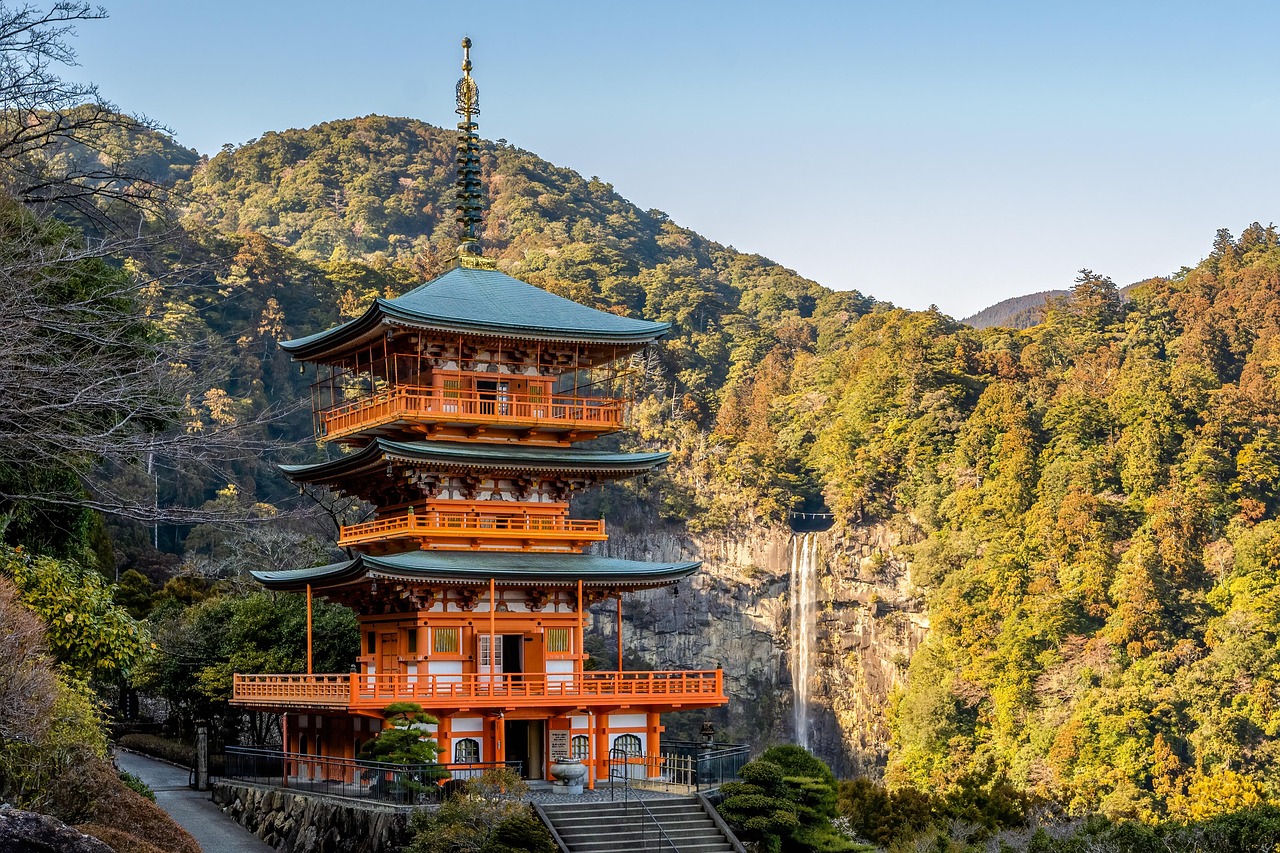
When overseas hikers say “Kumano Kodo,” they mean the Nakahechi route through Wakayama — deservedly famous, increasingly busy. But the pilgrimage network’s eastern arm, the Iseji route, runs 170 kilometers down Mie’s coast from Ise Jingu to the Kumano shrines, and it remains overwhelmingly Japanese territory: stone-paved passes through cypress forest, fishing towns between stages, and — on some weekday sections — nobody at all.
The Sections Worth Your Legs
Magose Pass
The Iseji’s showpiece: a beautifully preserved stone path climbing through a plantation of Owase hinoki cypress, moss on every surface, light falling in shafts. Based at the Miyama roadside station near Owase, the pass takes 2–3 hours and is the single best half-day introduction to the route.
Matsumoto Pass and Onigajo
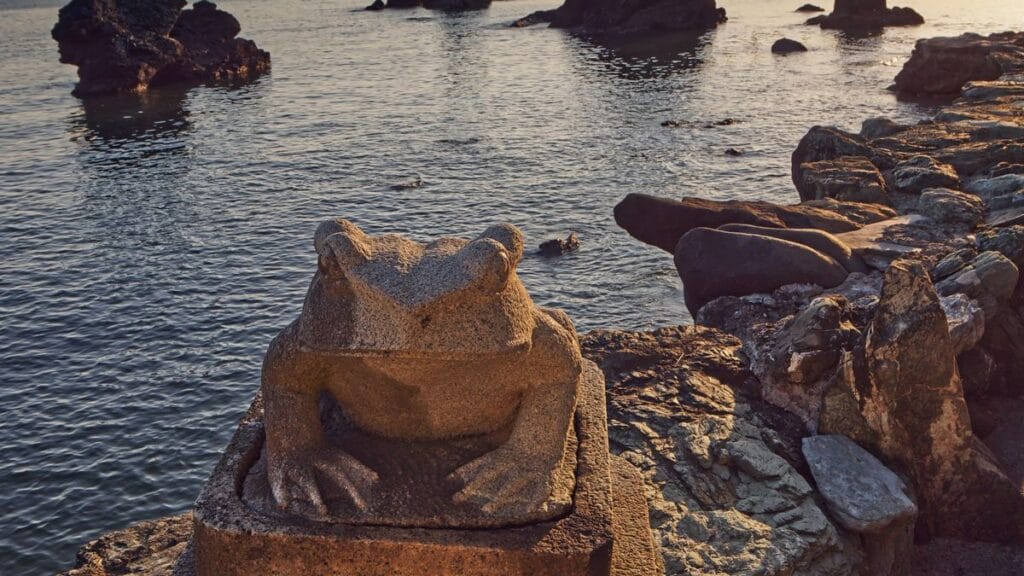
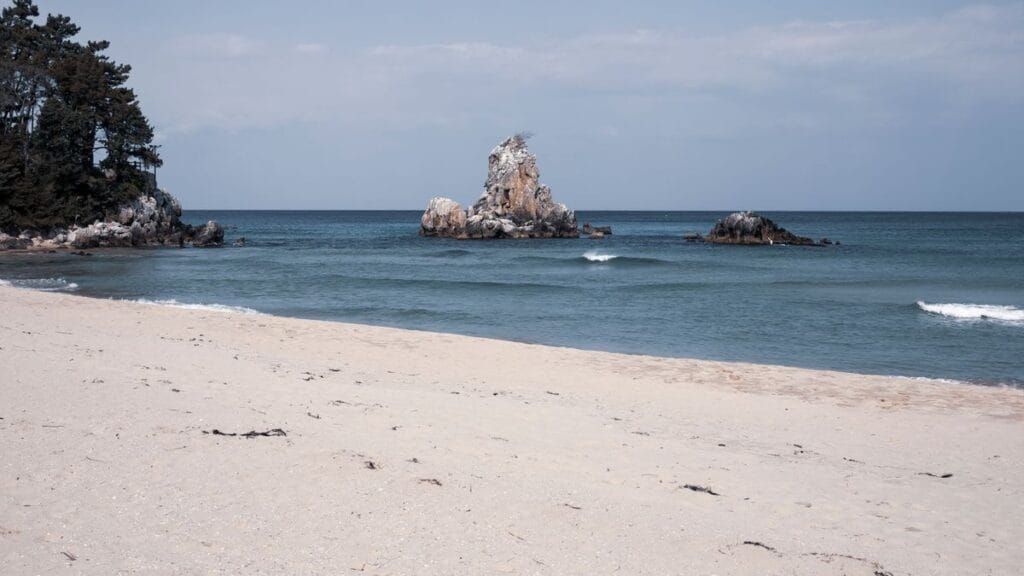
Further south, the short Matsumoto Pass drops toward Kumano city and the coast’s great oddity: Onigajo, the “Demon’s Castle,” a kilometer of wave-carved caves and rock terraces on the open Pacific — a UNESCO-listed stretch you walk on foot. Local secret: come back after dark. With no lights anywhere, the cave mouths frame one of Honshu’s best naked-eye night skies over the sound of surf.
Maruyama Senmaida
Inland from Kumano, roughly 1,300 tiny terraced rice paddies staircase down a mountainside — one of Japan’s most complete surviving tanada landscapes. In May and June the flooded terraces mirror the sunset; locals photograph it endlessly, foreign visitors almost never find it.
Doro-kyo Gorge
Where Mie, Nara, and Wakayama meet, the Kitayama River has cut the Doro-kyo gorge — sheer cliffs over water so blue it looks dyed. Flat-bottomed boats run the calm sections; it pairs naturally with the Iseji’s southern stages.
Practical Notes
- Access: JR Kisei Line from Nagoya or Ise threads the entire route — every major pass has a station within reach, making car-free stage walking genuinely practical
- Difficulty: individual passes are half-day hikes on stone paths; proper shoes matter in rain, when the stones turn slick
- Stamps: the Iseji has its own pilgrim stamp book — collect at trailhead stations
- Combine with: start or end at Ise Jingu to walk the pilgrimage in its historical direction
The Nakahechi gives you the famous Kumano; the Iseji gives you the one Japanese pilgrims actually walked from the east — and, for now, gives it to you alone.
🏨 Planning where to stay?
Every area guide on this site pairs with honest, station-by-station hotel picks. Start here: Mie Hotel Guides →