This article may contain affiliate links. If you book through them, we may earn a small commission at no extra cost to you.
Souvenir Guide · Kitchenware & Ceramics
Kappabashi Kitchen Town —
How to Shop Tokyo’s 800-Meter Street of Professional Cookware
Knives · Fake Food · Copper Pans · The Route That Works
On this page
Where Tokyo’s Restaurants Buy Everything
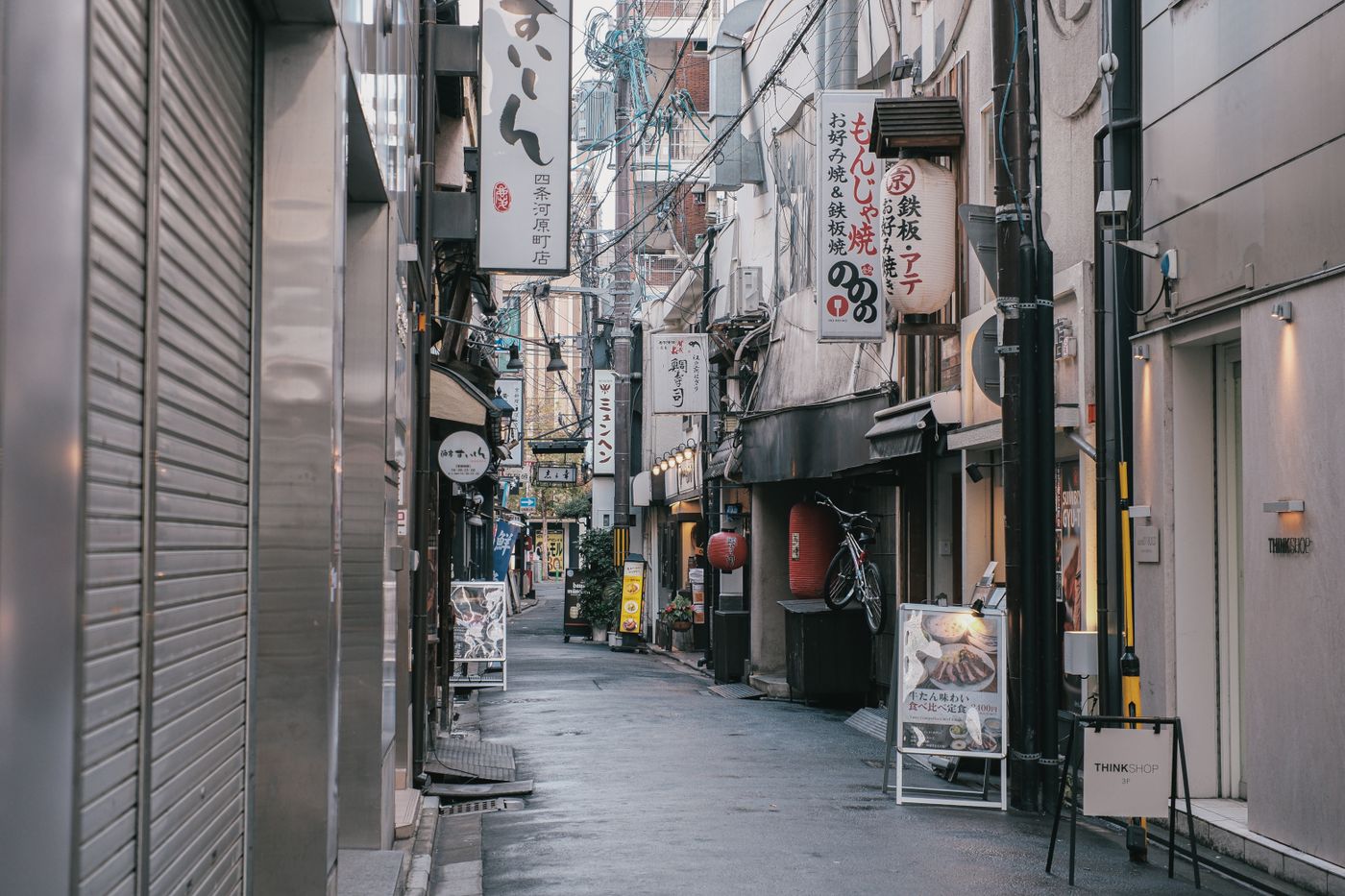
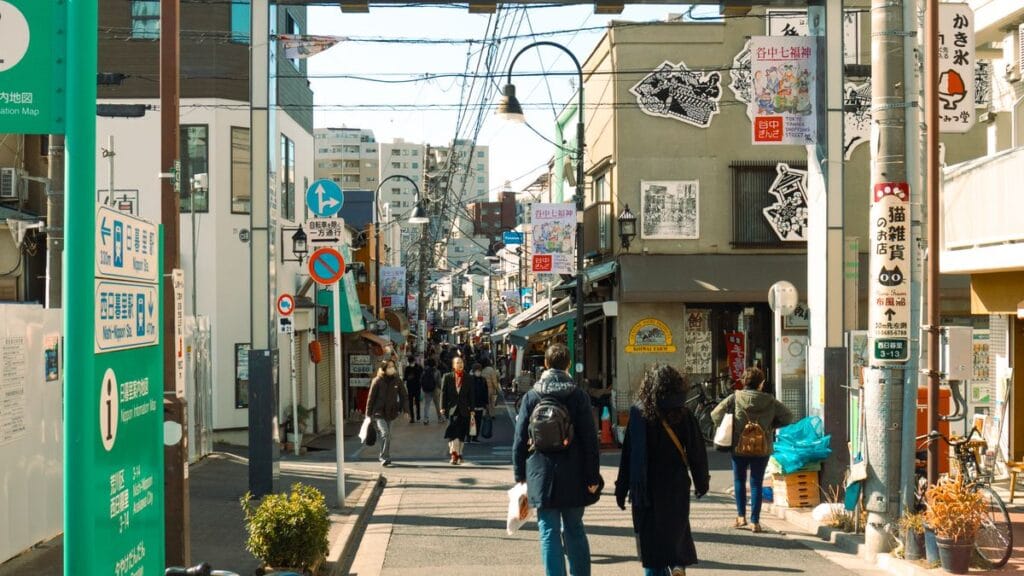
Between Ueno and Asakusa runs the street that equips Japan’s restaurant industry: Kappabashi Dogugai, 800 meters and ~170 shops of knives, pans, ceramics, lanterns, and the uncanny plastic food displays (shokuhin sampuru) that fill restaurant windows nationwide. It’s open to everyone, tax-free counters abound, and it’s a better cultural experience than half of Tokyo’s museums — you’re watching a professional supply chain at street level.
Most shops close around 5:30pm and several rest on Sundays — go on a weekday morning, and start from the Asakusa end (the giant chef’s head statue marks it) so you finish near Ueno’s transit web.
The Stops That Earn Their Fame
🔪 The Knife Shops
Kamata Hakensha — patient multilingual staff, engraving, sharpening lessons; the right first knife shop. Tsubaya — deeper professional stock for confident buyers. Both covered in our knife-buying guide.
🍣 The Fake Food Studios
Ganso Shokuhin Sampuru-ya sells the plastic sushi magnets and lettuce-making workshops (book ahead) — the single most conversation-generating souvenir in Japan.
🍳 Everything Else Worth Hauling
Copper tamagoyaki pans (Nakamura Douki’s are the classic), oroshigane sharkskin graters, wooden rice tubs, ramen bowls by the dozen styles, noren curtains, and the lacquer-and-ceramic floors of Dengama for tableware in bulk.
Practical Notes
Tax-free: many larger shops process it — passport required, ¥5,000 (approx. $33) minimum per shop; consolidate purchases. Shipping: the big stores arrange EMS for bulky buys. Bargaining: no — prices are professional-fair already. Pairing: the street sits 10 minutes from Senso-ji, so fold it into an Asakusa morning.
Keep exploring
🏨 Planning where to stay?
Every area guide on this site pairs with honest, station-by-station hotel picks. Start here: Hotel Guides by Station →