This article may contain affiliate links. If you book through them, we may earn a small commission at no extra cost to you.
Tokyo Old Town Guide · Shibamata
Shibamata: The Neighborhood Where
Showa Tokyo Is Still Alive
Tora-san’s Hometown · Edo Wood Carvings · Japan’s Last River Ferry · The Best Rice Cake in Tokyo
🎬 Tora-san film location (48 films)
⛩️ Edo-period wood carvings
⛵ Japan’s last river ferry (since Edo)
🍡 Kusa-dango — Tokyo’s finest rice cake
On this page
A Neighborhood That Refused to Change
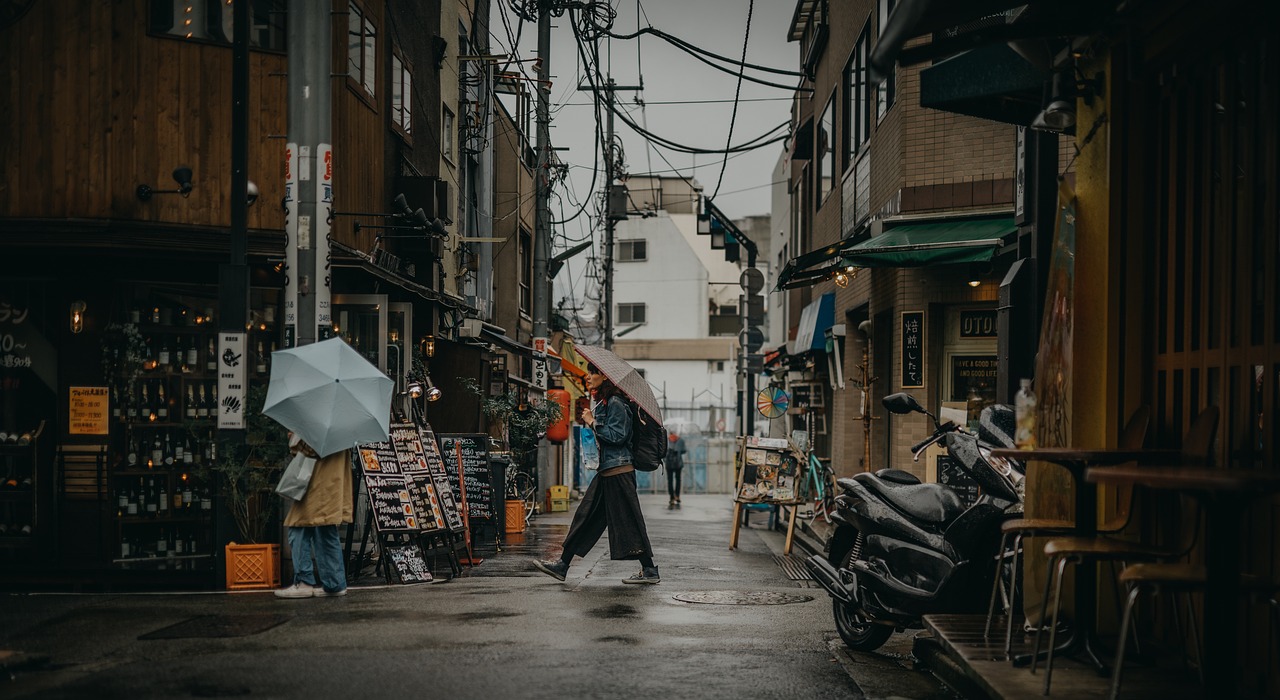
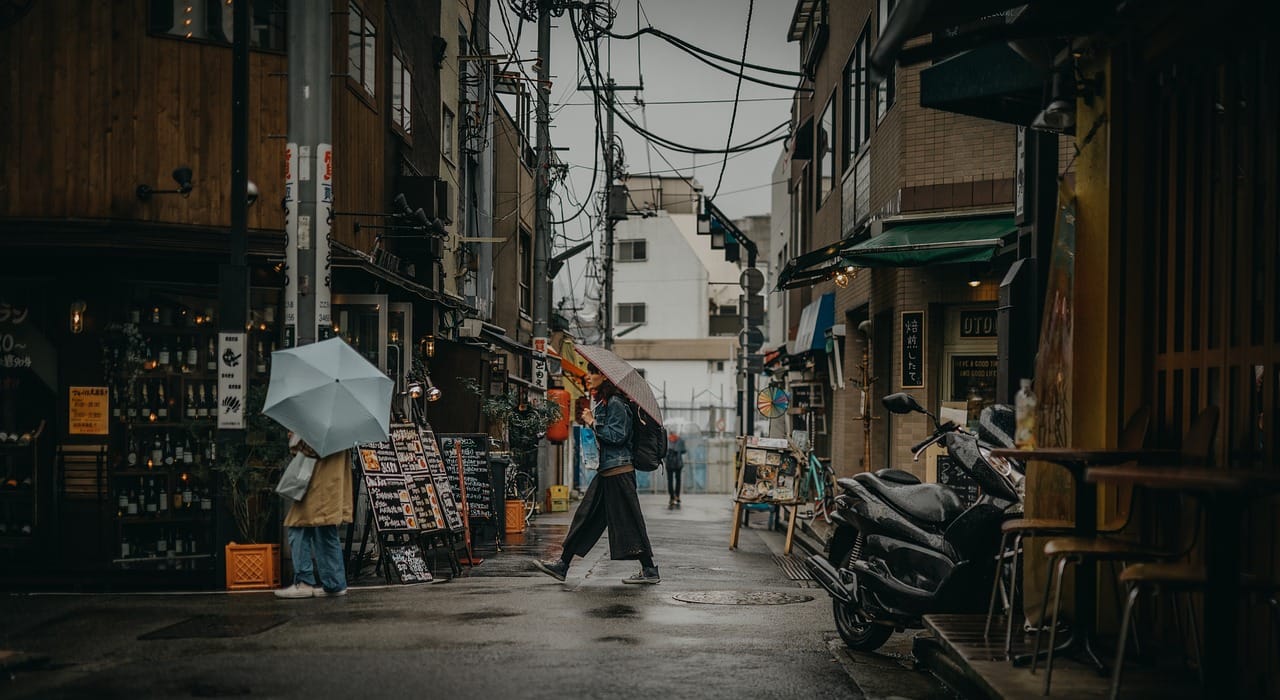
About 40 minutes from central Tokyo, Shibamata exists as a kind of proof that the city’s development hasn’t consumed everything. The wooden shop fronts on the temple approach, the smoke from the dango shop, the small boat crossing the Edogawa river — none of this has been reconstructed or preserved as a theme park. It has simply remained.
The neighborhood is internationally associated with the film series Otoko wa Tsurai yo (“It’s Tough Being a Man”), known abroad as the Tora-san films — 48 movies released between 1969 and 1995, set around this temple approach and the family sweet shop at its center. For Japanese people of a certain generation, Shibamata is the place that embodies everything they loved and lost about the Showa era. For foreign visitors, it’s something rarer: a neighborhood in a 21st-century megacity where the mid-20th century is not a memory but a present condition.
The wood-carved temple here, a 17th-century sake brewery’s sake is still poured nearby, a river ferry still crosses the Edogawa on a rope — and a rice cake shop whose dango has been described by multiple visitors as the single most memorable food of their entire Japan trip.
Basic Information
| Location | Katsushika Ward, Tokyo |
| Access | Shibamata Station (Keisei Kanamachi Line) — immediate walk |
| Main attractions | Taishakuten Temple · Temple approach · Yamamoto-tei · Yagiri no Watashi ferry · Edogawa riverside |
| Suggested time | Half day to full day |
| Best season | Year-round; cherry blossoms (spring) and autumn evening light particularly beautiful |
| Entry fees | Temple grounds free; wood carving gallery ¥400; Yamamoto-tei ¥100; river ferry ¥200 |
Getting There
From Ueno
Keisei Ueno → Takasago (Keisei Main Line, ~20 min) → Shibamata (Keisei Kanamachi Line, ~3 min). Total ~25 min.
From Nippori
Keisei Nippori → Takasago (~15 min) → Shibamata (~3 min). Total ~20 min.
From Tokyo Station
JR Joban Line to Kanamachi (~40 min), walk to Keisei-Kanamachi, one stop to Shibamata. Total ~45 min.
✦ Shibamata Station itself is worth a moment — a small, unhurried local station that sets the tone for everything that follows.
Suggested Route
Shibamata Station → Tora-san statue & Sakura statue (immediate) →
Temple Approach (~200m, 5 min walk) → food & shops →
Shibamata Taishakuten Temple (15–30 min) →
Yamamoto-tei (adjacent, 30–45 min with tea) →
Shibamata Park & Edogawa Riverbank (10 min walk) →
Yagiri no Watashi Ferry (optional, 5 min crossing) →
Temple approach (lunch or afternoon tea) →
Shibamata Station
Step 1: The Tora-san and Sakura Statues
Exit Shibamata Station and two bronze figures meet you immediately. The first is Kuruma Torajiro — Tora-san — suitcase in hand, mid-stride, eternally about to leave on another journey. The second, installed in 2017 facing him, is his sister Sakura, watching him go.
Visitors who have never seen a single Tora-san film consistently stop here. The composition — the one who leaves, the one who stays — is a human situation that doesn’t require cultural context to land. The 48 films over 26 years are Japan’s longest-running film series; this is where all of them began and ended.
Step 2: The Temple Approach — 200 Meters of Living Showa
The approach to Taishakuten Temple runs about 200 meters from the station, lined with roughly 30 shops in buildings that have barely changed since the mid-20th century. No large signs. No chain outlets. A lacquerwork shop, a pickled vegetable seller where tasting is encouraged, an eel restaurant where the preparation is visible through the window, a shop selling Edo-style figurines.
🍡 Kusa-dango: Don’t Skip This
Several shops on the approach sell kusa-dango — mugwort rice cakes topped with sweet bean paste. Shibamata’s version uses fresh mugwort, which gives the dough a green color and a faintly herbal flavor that distinguishes it completely from the rice cakes found in convenience stores or tourist markets. Foreign visitors who try it frequently name it the best single food of their Japan trip. Each shop on the approach makes its own version with slightly different proportions — comparing is legitimate and encouraged.
Tsukudani (preserved seafood) shops: The tradition of simmering small fish, shellfish, and seaweed in soy and sugar — creating intensely flavored preserves meant to last weeks — is one of Edo’s great culinary contributions. Several Shibamata shops maintain this tradition. Tasting before buying is the convention; the shop owners will offer samples without being asked.
✦ Stop in front of any shop that interests you. Look at what’s being made. The craftwork — whether dango, tsukudani, or lacquerware — is done in full view. This is what makes Shibamata different from a museum of old Japan: it’s working.
Step 3: Shibamata Taishakuten Temple — Edo’s Finest Wood Carvings
Founded in 1629, Shibamata Taishakuten (formally: Keiezan Daikyoji Temple, Nichiren sect) is the destination the entire approach points toward. The temple grounds are free to enter. The paid attraction — the carved gallery panels on the main hall’s exterior — is worth every yen of the ¥400 admission.
Ten carved panels, produced between the Meiji and early Showa periods, depict scenes from the Lotus Sutra in woodwork of astonishing precision. The comparison most Japanese guidebooks make is to Nikko Toshogu — one of Japan’s most famous decorative ensembles. That comparison is not hyperbole. The level of craft in these panels, and the fact that they exist in a neighborhood temple rather than a famous shrine, is one of those Tokyo surprises that requires seeing to understand.
The adjacent main hall garden has a small pond garden that can be viewed from the veranda. Tea service is sometimes available here.
✦ Temple fair days (8th, 18th, 28th of each month): additional market stalls appear along the approach, and the temple compound is busier and more festive. Worth timing a visit around these dates if possible.
Step 4: Yamamoto-tei — Taisho-Era House & Award-Winning Garden
Directly adjacent to the temple, Yamamoto-tei is a private residence built in the 1920s that combines Japanese architecture with Western interior elements in the style called “Taisho Roman” — the Japanese Art Nouveau period. The house is open to visitors for ¥100; matcha and wagashi are served on the veranda for approximately ¥500.
The garden — a classical pond-and-path design managed by Katsushika Ward — has appeared multiple times in international rankings of Japanese gardens, including the Journal of Japanese Gardening. For a garden that receives almost no tourist attention, its quality is remarkable. Sitting on the veranda with tea, looking at the garden, forgetting you are 40 minutes from Shinjuku: this is the kind of moment that Shibamata provides and that planned tourist itineraries consistently fail to offer.
Step 5: Yagiri no Watashi — Japan’s Last River Ferry
Walk through Shibamata Park to the Edogawa riverbank, and you will find a small wooden landing. This is the departure point for the Yagiri no Watashi — a river crossing that has operated in some form since the Edo period, connecting Tokyo’s Shibamata bank with Matsudo city in Chiba Prefecture.
The crossing takes approximately 5 minutes. The boat is small. The river is wide and the current visible. Tokyo Skytree is visible in the distance. The fare is ¥200 each way. This is, by most accounts, the most time-displaced ¥200 you can spend in the Tokyo metropolitan area — a form of transit that was ordinary for Edo-period residents and is now simply gone everywhere else.
Operating hours: approx. 10:00am to sunset · Year-round except during high water or severe weather · One-way or return possible
✦ The 1979 enka ballad “Yagiri no Watashi” — which remains one of Japan’s most beloved traditional popular songs — was named for this crossing. The song’s themes of parting and the river’s indifference are very much present when you make the crossing yourself.
What to Eat in Shibamata
🍡 Kusa-dango
Mugwort rice cakes with sweet bean paste. Shibamata’s defining food, made fresh daily at multiple approach shops. Try two shops and compare — the differences are real and noticeable.
🐟 Unagi (Eel)
The Edogawa’s eel tradition continues in Shibamata’s long-standing eel restaurants. The Edo preparation — steamed then grilled, served over rice with sweet tare sauce — is a ¥3,000–5,000 lunch that serious eaters travel specifically to have. Reserve ahead.
🐠 River Fish
Koi (carp sashimi) and dojo (loach hotpot) — traditional Edogawa river cuisine that is essentially impossible to find in central Tokyo. Available at the few old restaurants near the temple.
🧂 Tsukudani
Soy-simmered seafood and seaweed preserves from the approach shops. Excellent as a gift (sealed jars keep for weeks). Try before buying — the range of saltiness and sweetness between shops varies significantly.
Recommended Hotels
Shibamata pairs naturally with the Ueno–Asakusa–Yanaka triangle of old Tokyo. A base in this area allows the “shitamachi circuit” — Shibamata, Asakusa, Yanaka Ginza — to be done across two to three days without retracing steps.
Ueno / Asakusa Area (Best Base)
Dormy Inn Ueno Okachimachi (Mid-Range / from approx. ¥14,000/night ~$93 USD) — Natural hot spring included; ideal after full walking days. Direct Keisei Line access to Shibamata.
Hotel Lungwood (Mid-Range / from approx. ¥15,000/night ~$100 USD) — At Nippori Station, a convenient base for the Yanesen district with direct Keisei-line access east.
Kinshicho Area (Budget Option)
Toyoko Inn Kinshicho Ekimae (Economy / from approx. ¥8,000/night ~$53 USD) — Strong value; JR Joban Line access to Kanamachi for Shibamata connection. Good base for east Tokyo as a whole.
All prices approximate and subject to seasonal variation. Verify current rates on booking sites.
Who Should Visit Shibamata?
Tokyo’s newest neighborhoods show you what the city is becoming. Shibamata shows you what the city still is — underneath everything that’s been built on top.
✔ Film history & Tora-san fans
✔ Japanese art & craft lovers
✔ Food travelers (dango, eel, river fish)
✔ Garden & architecture enthusiasts
✔ Anyone who wants to see old Tokyo still breathing
🏨 Planning where to stay?
Every area guide on this site pairs with honest, station-by-station hotel picks. Start here: Tokyo Hotel Guides →