This article may contain affiliate links. If you book through them, we may earn a small commission at no extra cost to you.
Kyoto Guide · 3-Day Itinerary
Kyoto in 3 Days: The Local Itinerary
(Not the Tourist One)
17 UNESCO Sites · 1,600+ Temples · Why Timing Is Everything
⏰ Arrive before 8am — this changes everything
🌅 Day 1: Higashiyama Eastern Mountains
🎋 Day 2: Arashiyama & Daitoku-ji
⛩️ Day 3: Philosopher’s Path North
On this page
Why Most Kyoto Itineraries Get It Wrong
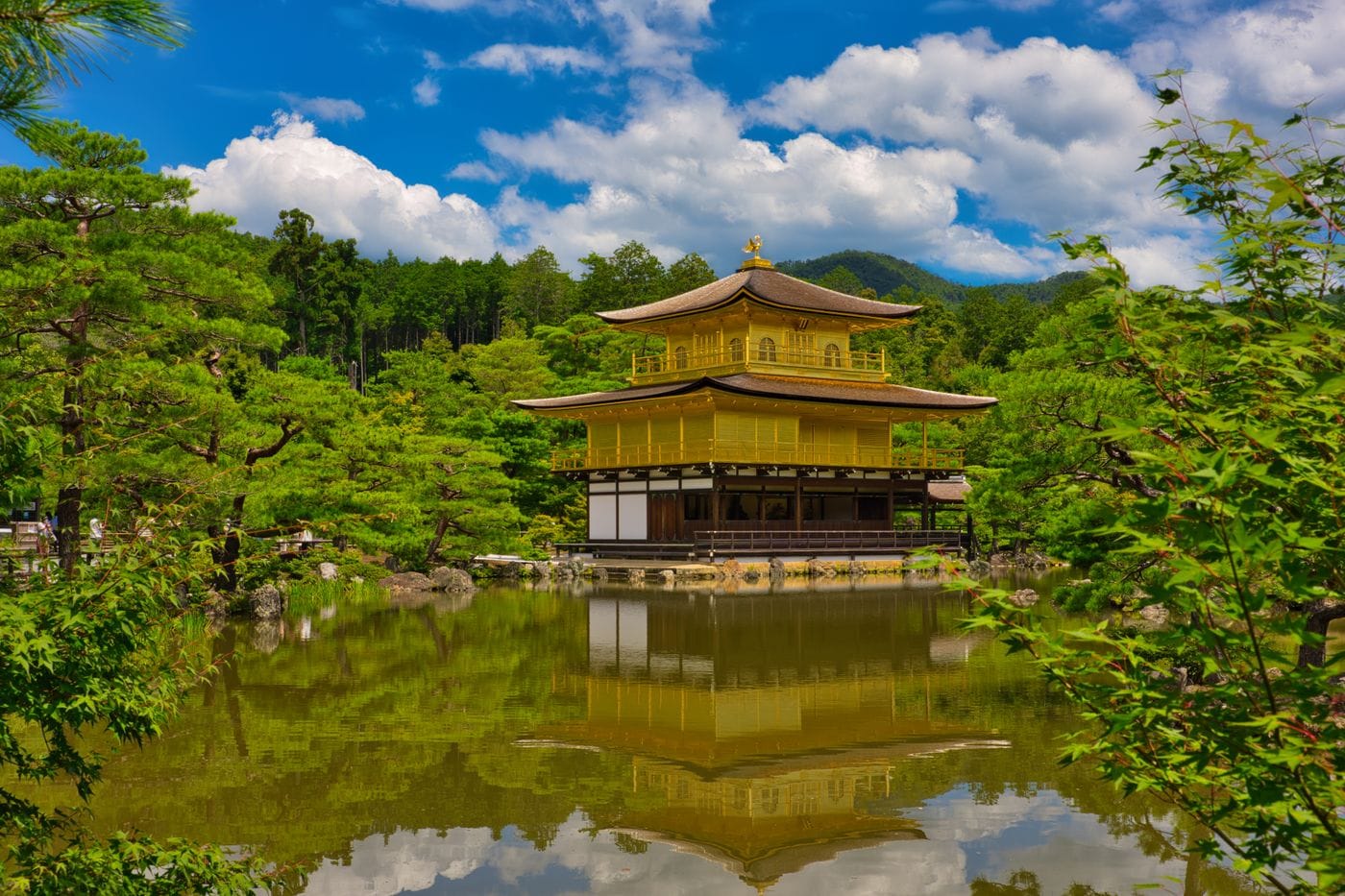
Every travel guide to Kyoto follows roughly the same script: Day 1, Fushimi Inari and Gion. Day 2, Arashiyama and Kinkaku-ji. Day 3, Nishiki Market and Philosopher’s Path. The result places you in the most crowded spots at the most crowded times — producing the least authentic experience of a city that is, underneath the tourism infrastructure, one of the most extraordinary places on earth.
Kyoto was Japan’s imperial capital for over a thousand years. It contains 17 UNESCO World Heritage Sites, over 1,600 Buddhist temples, and more than 400 Shinto shrines. The city’s problem is not that it lacks depth — it is that the depth is buried under layers of visitor management and mass tourism efficiency.
⏰ The Single Most Important Rule in Kyoto
Be at major sites before 8:00 AM or after 5:00 PM. The difference between Fushimi Inari at 6:00 AM and at 11:00 AM is the difference between a profound solitary experience and a Disney queue. Use the middle of the day for lesser-known temples, neighborhoods, and food.
Day 1: The Eastern Mountains (Higashiyama)
6:00 AM — Fushimi Inari at Dawn
Take the first JR Nara Line train (departs Kyoto Station ~5:30 AM) to Inari Station. Walk up through the torii gates before any significant crowds. Aim for the Yotsutsuji intersection (四辻) by 7:00 AM — the gates at dawn catch the first light through the cedars, with birdsong instead of tour groups.
8:30 AM — Fushimi Sake District
Return to base and walk into Fushimi (伏見) — the sake brewing district. The canal-side Sake District Walk along the Horikawa Canal, lined with weeping willows and old brewery walls, is best in low morning light. Several breweries open for tasting from 9:00 AM.
10:30 AM — Sanjūsangen-dō (三十三間堂)
1,001 gilded figures of Kannon standing in rows in a 120-meter wooden hall dating from 1164. One of the most quietly overwhelming spaces in Japan — rarely as crowded as Kinkaku-ji, and its interior (no photography) demands a slowness that produces genuine reflection.
12:30 PM — Lunch + 2:00 PM Kiyomizudera
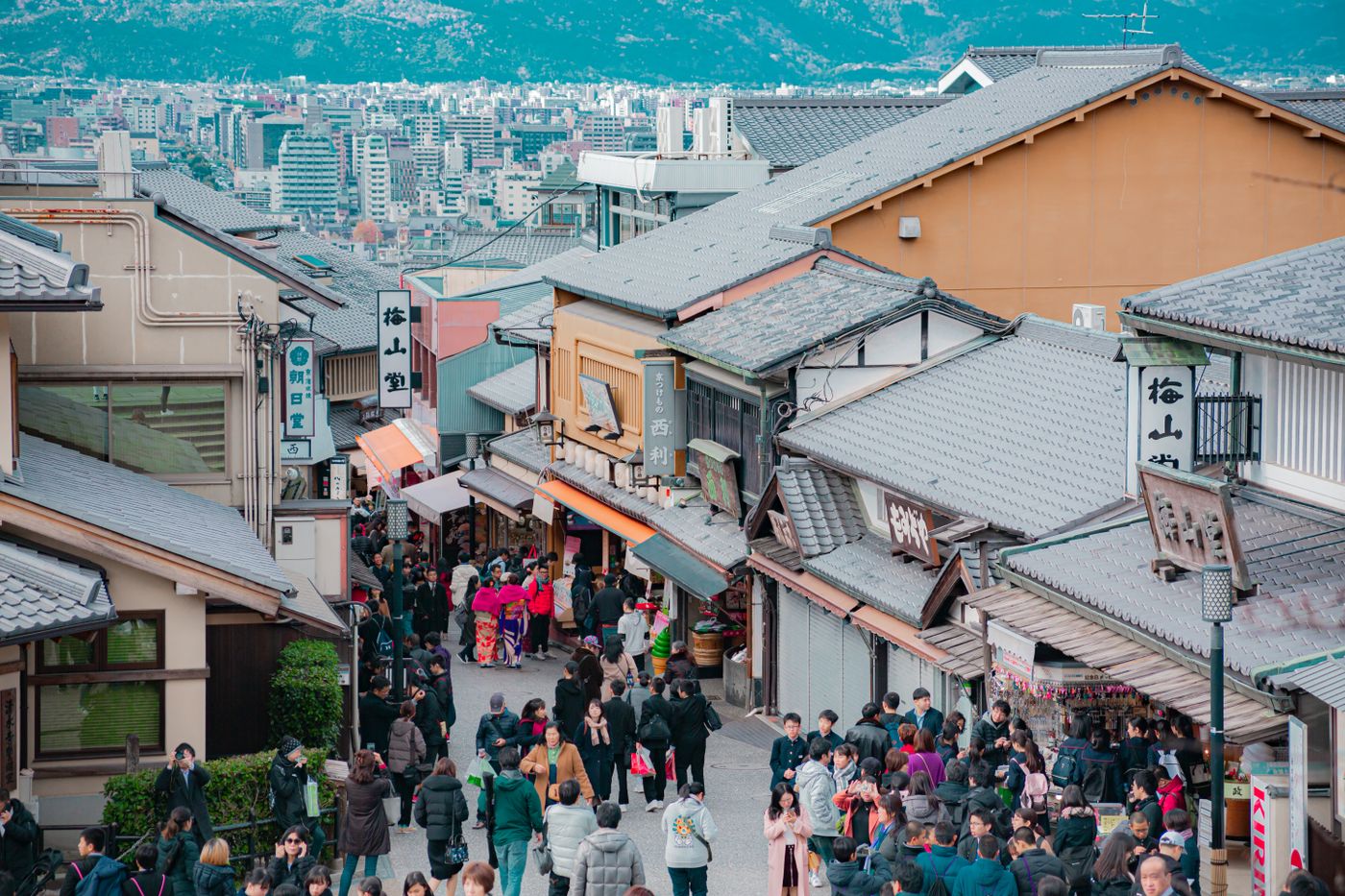
Lunch on Ninenzaka or Sannenzaka: tofu kaiseki at lunch prices (¥2,500–¥4,000) that would cost double at dinner. Then Kiyomizudera — unavoidable and worth it despite crowds. Focus on architectural details. After the main hall, take the quieter forest descent rather than the tourist street.
4:30 PM — Maruyama Park & Chion-in · 7:00 PM — Gion at Night
Maruyama Park transitions from tourist crowds to local evening walkers at this hour. Chion-in (Japan’s largest sanmon gate) is best in evening light. Then: Gion’s narrow Shirakawa canal district lit by lanterns, with weeping willows reflected in the water — the most atmospheric neighborhood walk in Kyoto.
Day 2: Northwest — Arashiyama & Beyond
6:00 AM — Arashiyama Bamboo Grove
Be there before 7:00 AM. Before 7:00 AM you may have sections to yourself. By 9:30 AM the path will be impassable. Immediately after the grove, walk to Tenryū-ji — the Zen temple whose garden (designed in the 14th century by Musō Soseki) incorporates the Arashiyama mountain behind the garden wall through borrowed scenery.
9:00 AM — Okochi Sansō Garden + 11:00 AM — Nonomiya Jinja
Okochi Sansō (¥1,000 with matcha) — a silent film actor’s 30-year garden project on the hill behind the bamboo grove. Views across Kyoto from the upper garden. Almost no one arrives before 10:00 AM. Nonomiya Jinja: tiny shrine with black torii, mossy garden, complete quiet — imperial princesses underwent purification here before departing for Ise.
12:30 PM Lunch → 2:00 PM — Daitoku-ji (大徳寺)
Yudofu riverside lunch in Arashiyama, then bus to Daitoku-ji — a vast Zen complex of 22 sub-temples containing extraordinary gardens most Kyoto visitors never see. Daisen-in (finest dry garden composition) · Kōtō-in (maple-lined approach to tea garden — among the most beautiful small temple spaces in Japan).
4:30 PM — Nishiki Market · 7:00 PM — Pontocho
Nishiki Market at this hour: lunch rush gone, market still active, quality at peak. Graze rather than sit. Then: Pontocho’s lantern-lit narrow alley for dinner, ¥3,000 izakaya to ¥30,000 kaiseki. In summer (May–September), kawayuka dining platforms extend over the Kamo River — one of the great Japanese dining experiences.
Day 3: Northeast — Philosophers, Gardens & Quiet Temples
7:00 AM — Philosopher’s Path · 8:30 AM — Nanzen-ji
The canal path empty in early morning, still water, no sound. Walk south to north (Nanzen-ji toward Ginkaku-ji). At Nanzen-ji: the Hojo Garden (quiet in early morning), and the Suirokaku — a brick Roman aqueduct carrying the Lake Biwa Canal through the temple precinct — an extraordinary collision of Western engineering and Zen space.
10:30 AM — Ginkaku-ji · 12:00 PM — Omen Noodles
The Silver Pavilion’s Sea of Silver Sand (銀沙灘) and moss garden represent the highest development of wabi aesthetics. Arrive early before tour buses. Then: Omen — a classic Kyoto udon restaurant near Ginkaku-ji that locals recommend and tourists rarely discover. Simple udon with vegetable toppings, ~¥1,200.
2:00 PM — Heian Shrine · 4:30 PM — Kamo River
The approach through the enormous 24-meter Ōtorii gate and expansive gravel forecourt creates a rare sense of space in central Kyoto. The Shin’en garden behind is one of Japan’s finest Meiji-period garden sequences. Finish at the Kamo River where the Kamo and Takano rivers meet — locals sitting in rows along the bank at evening. No museum can replicate it.
Where to Stay
Luxury: Tawaraya (from approx. ¥100,000/person ~$667 USD, since 1716) — widely considered Japan’s finest ryokan. The Ritz-Carlton Kyoto (from approx. ¥80,000 ~$533 USD) — Kamo River, exceptional non-ryokan luxury.
Mid-Range: Hotel The Celestine Kyoto Gion (from approx. ¥25,000 ~$167 USD) — ideal Gion location. Mitsui Garden Hotel Kyoto Sanjo (from approx. ¥18,000 ~$120 USD) — central, excellent value.
Budget: Len Kyoto Kawaramachi (from approx. ¥5,000 ~$33 USD) — excellent hostel with café. Piece Hostel Kyoto (from approx. ¥3,500 ~$23 USD). All prices approximate. Verify on booking sites.
Who This Itinerary Is For
✔ First-time Kyoto visitors wanting depth over quantity
✔ Those willing to wake early for a different experience
✔ Repeat visitors wanting to see beyond the famous sites
✔ Anyone who wants the real Kyoto, not the tourist version
🏨 Planning where to stay?
Every area guide on this site pairs with honest, station-by-station hotel picks. Start here: Kyoto Hotel Guides →