This article may contain affiliate links. If you book through them, we may earn a small commission at no extra cost to you.
On this page
Introduction: The 250-Meter Food Corridor
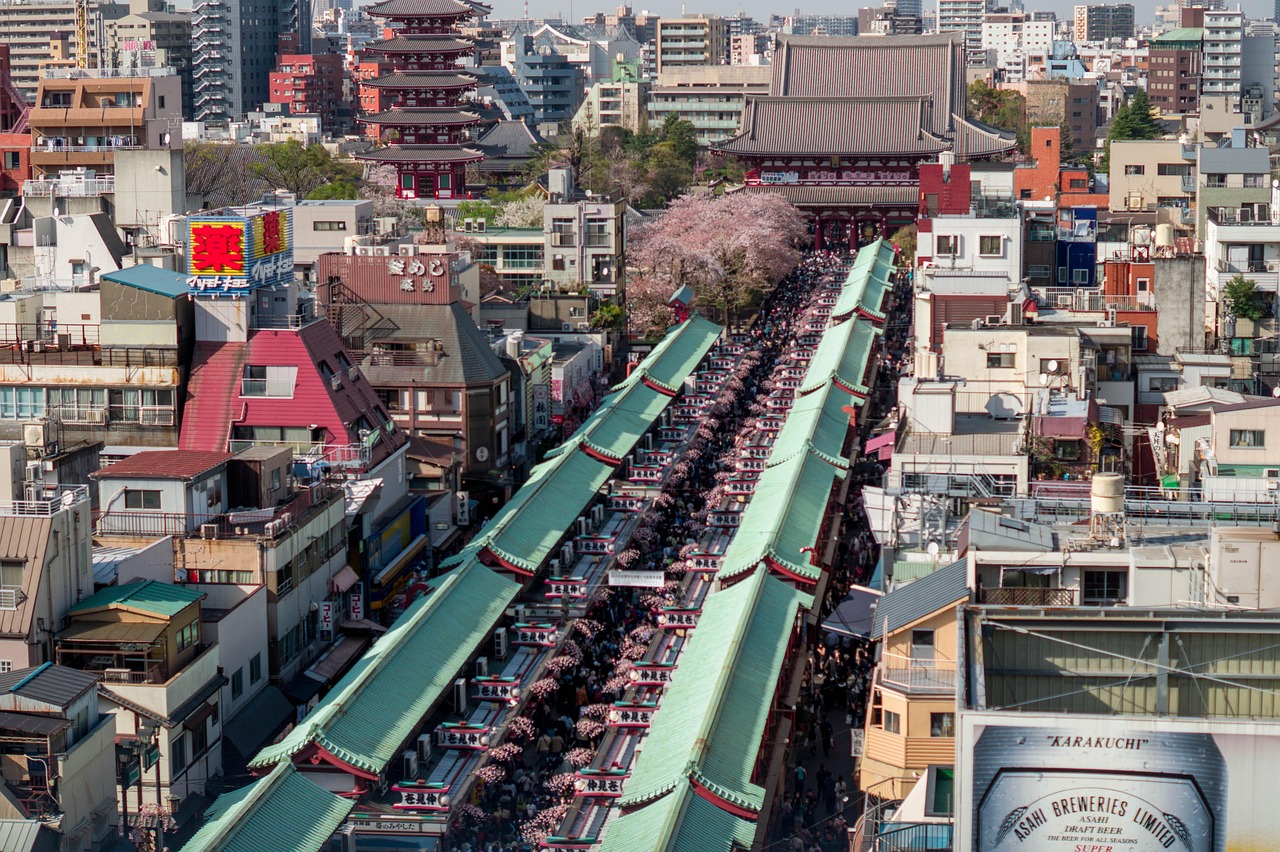
The approach to Senso-ji Temple from Kaminarimon Gate is a roughly 250-meter shopping street called Nakamise-dori (仲見世通り) — and every one of those meters is accompanied by the smell of something cooking. The commercial strip has served pilgrims and visitors since the Edo period, and its current incarnation maintains around 90 small shops, most selling either traditional crafts or food.
The street food available between Kaminarimon and Senso-ji is not Asakusa's most interesting food (that is in the surrounding neighborhood's independent restaurants and izakayas), but it is a complete and varied walk-and-eat experience that introduces several of Tokyo's and Asakusa's most specific local foods.
What to Eat: The Complete Route
At Kaminarimon Gate
Ningyo-yaki stalls (人形焼き): Before entering the Nakamise, several stalls sell ningyo-yaki (人形焼き) — small cakes baked in molds shaped as Senso-ji's traditional motifs (the lantern, the doves, the Kaminarimon) and filled with sweet red bean paste. The freshly baked version (eaten hot from the mold) is significantly better than the packaged version sold as souvenirs further down the street.
On Nakamise-dori
Kaminari Okoshi (雷おこし): Asakusa's most famous traditional confection — compressed rice grains mixed with sugar, honey, and various flavors (sesame, peanut, matcha) into crispy rectangular pieces. The name means "Thunder Sweets" from their association with the Kaminari (thunder) of Kaminarimon. Available in multiple shops throughout Nakamise.
Kibidango (きびだんご): Small mochi (rice cake) balls made from millet flour, traditionally eaten plain or with anko (sweet bean paste). The Nakamise version is fresh-made on the premises at several shops — the watching of the mochi-pounding process visible through the shop window is part of the experience.
Nori-flavored sembei (海苔味のせんべい): Rice crackers — specifically the soy-sauce flavored, nori-wrapped version that is an Asakusa/shitamachi specialty. The cracker shops grill their sembei on charcoal in the shop window.
The Side Streets Around Nakamise
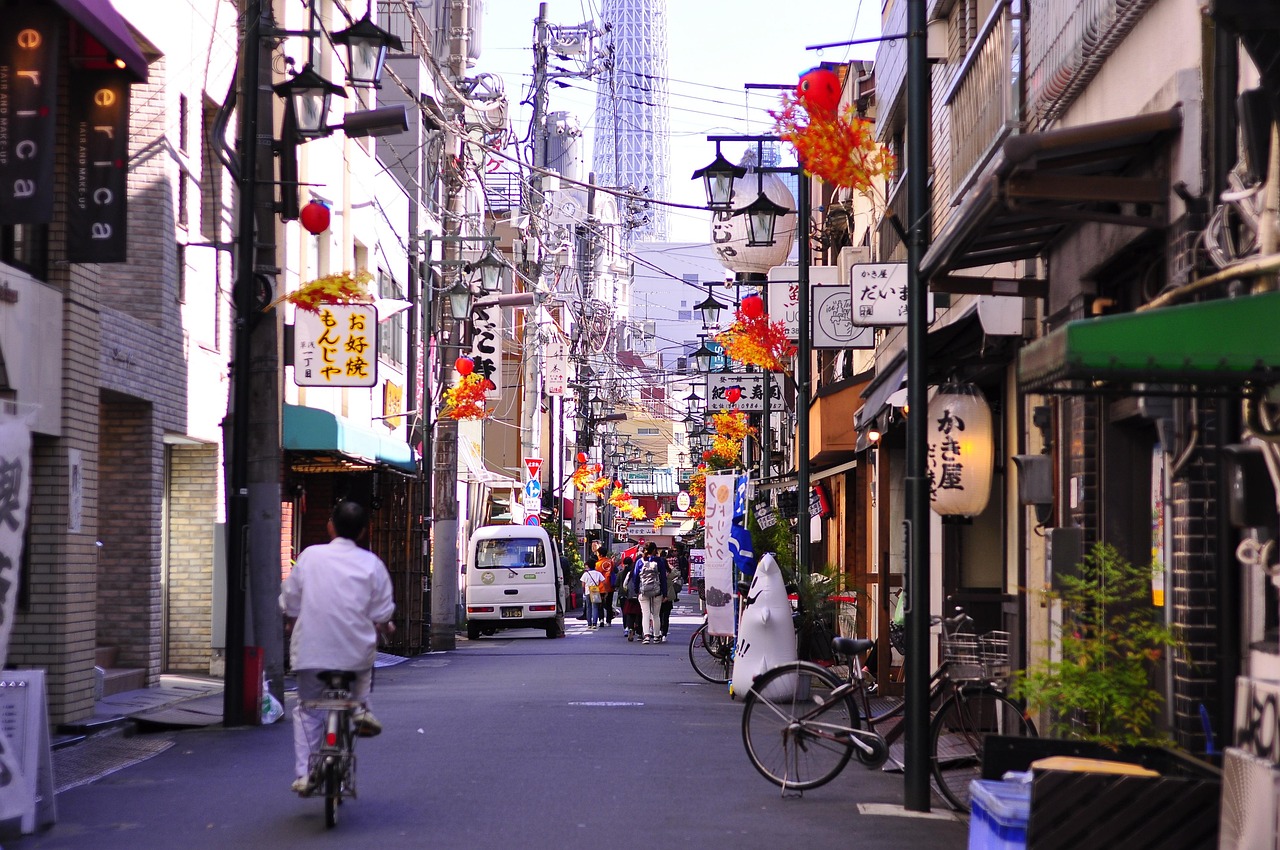
The streets east and west of Nakamise — the parallel covered arcades of Shin-Nakamise (新仲見世) and the streets of the surrounding shitamachi — contain the more interesting street food:
Melonpan (メロンpan) from Kagetsudō (花月堂): The Kagetsudō bakery on the east side of the temple precinct sells giant melonpan — a soft sweet bread with a crispy cookie-like exterior — that has become an Asakusa institution. The line extends down the street; the bread is best eaten hot.
Imogashi (芋菓子 / sweet potato sweets): Multiple shops sell sweet potato-based sweets — including imo-yokan (芋羊羹), a dense paste of sweet potato and sugar set in a rectangular block, that is the Asakusa-specific confection most enthusiastically sought by Japanese visitors.
Approaching the Temple
Hanaage (はなあげ / temple fair food): The open area between the temple complex's inner gate (Nakamise exit) and the main hall contains occasional stalls during festivals and weekends — grilled corn, yakisoba, and traditional temple fair foods.
Beyond Nakamise: The Real Asakusa Food
The neighborhoods immediately surrounding Nakamise contain the most authentic Asakusa eating:
Hoppy Street (ホッピー通り): The street west of Senso-ji's main temple building — named for the low-alcohol malt drink Hoppy (ホッピー) that is mixed with shochu in the standing bars here — is the most traditionally local Asakusa food and drink destination.
Imahan (今半) Asakusa branch: The premium sukiyaki restaurant described in the Japanese hot pot article — the Asakusa location is the original.
Planning where to stay in Tokyo? Browse our honest hotel picks and area guides.
🏨 Planning where to stay?
Every area guide on this site pairs with honest, station-by-station hotel picks. Start here: Tokyo Hotel Guides →