This article may contain affiliate links. If you book through them, we may earn a small commission at no extra cost to you.
On this page
Introduction: The Island at the Edge of Everything
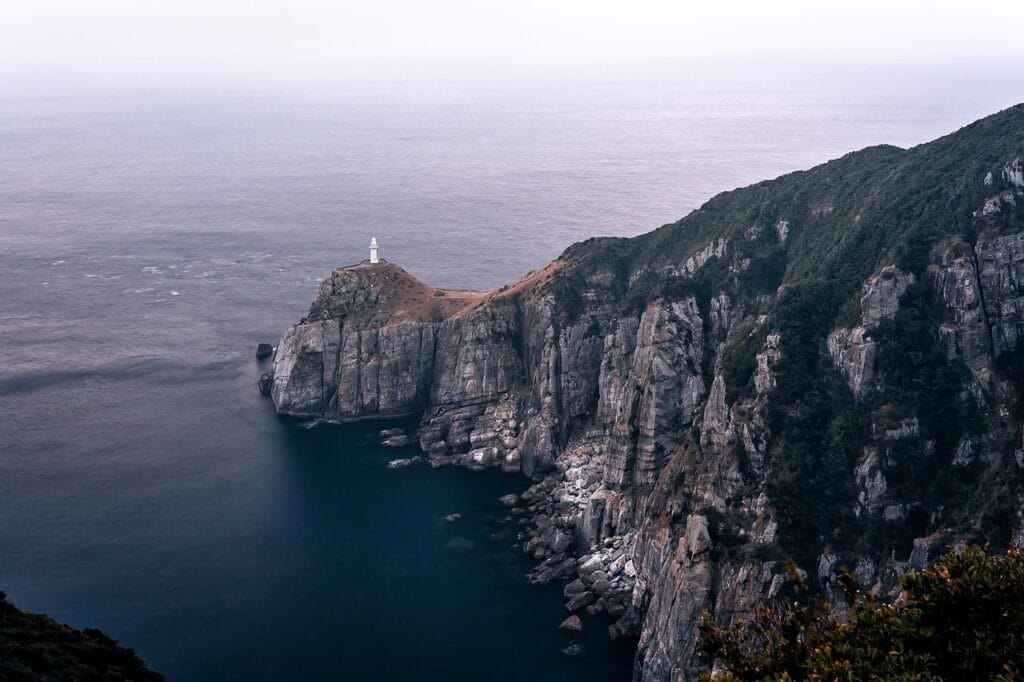
Sado Island (佐渡島) — Japan's sixth-largest island, 45 km off the Niigata coast in the Sea of Japan — has a specific historical character shaped by three intersecting facts: it was, from the Heian period through the Edo period, a primary destination for Japan's political exiles; it was, from the 17th century onward, the location of the largest gold mine in Japan; and it is the birthplace and continuing home base of Kodo (鼓童), one of the world's most internationally celebrated taiko drumming ensembles.
The combination of exile culture (which brought educated, politically sophisticated, artistically skilled exiles to a remote island where their talents produced an unusual cultural flowering), gold production (which financed the Tokugawa shogunate and gave the island economic significance), and the theatrical traditions that developed from this history makes Sado one of the most culturally layered destinations in Japan relative to its size and international recognition.
The Exile History
Famous Exiles
Sado's status as a place of exile stretches from the early Heian period through the Meiji Restoration — a millennium of political inconvenience deposited on this Sea of Japan island. The most historically significant exiles include:
Emperor Juntoku (順徳天皇, 1221): Exiled after the failed Jōkyū Rebellion against the Kamakura shogunate — the second emperor to die in exile in Japan's history.
Nichiren (日蓮, 1271–1274): The founder of Nichiren Buddhism, exiled to Sado after confrontations with the Kamakura government — his exile period produced some of his most important writings, and the sites associated with his Sado years (particularly Ichinosawa no Tsuboya / 一の沢の塚屋) are significant Nichiren pilgrimage sites.
Zeami Motokiyo (世阿弥元清, 1434–): The master who codified and perfected the Noh theater tradition — exiled to Sado by the shogun Ashikaga Yoshinori in the final years of his life. The Noh tradition that Zeami brought to Sado took root in the island's culture so deeply that Sado maintains one of Japan's densest concentrations of active Noh stages, with over 30 preserved traditional outdoor Noh stages still used for regular performance.
The exile of sophisticated cultural figures produced a cultural richness disproportionate to the island's remote location — the Noh theater tradition being the most direct surviving inheritance.
Sado Kinzan (佐渡金山): The Gold Mine
The Sado Gold Mine (佐渡金山) — designated a UNESCO World Heritage Site in 2024 — is the largest premodern gold production facility in Japan and the site of one of the most significant chapters in Tokugawa-era economic history.
The discovery: Gold was discovered on Sado in 1601, just before the establishment of the Tokugawa shogunate (1603) — the timing gave the new government control of an extraordinarily productive resource at precisely the moment it was consolidating power. Tokugawa Ieyasu's decision to make Sado a tenryō (天領 / shogunal domain) under direct government control (rather than granting it to a feudal lord) reflects the mine's economic significance.
The production figures: At its peak in the early 17th century, the Sado mine produced approximately 400 kg of gold annually — a figure that made it the primary source of the Tokugawa financial reserve and directly financed the Edo period's political stability.
The labor system: The mine's labor combined relatively well-compensated skilled miners (nōfu / 能夫) with corvée labor and — particularly during periods of labor shortage — a criminal justice diversion system that sent convicted criminals to work in the mine under conditions that contemporary records describe in detail.
The UNESCO controversy: The same UNESCO inscription process that involved Gunkanjima also involved Sado Kinzan, and the same South Korean diplomatic objections about unacknowledged Korean forced labor during the World War II period arose. A similar negotiated commitment to address wartime labor history was part of the inscription outcome.
The Visitor Experience
The two mine access routes:
Sōdayū Tunnel (宗太夫坑): The primary tourist route — a restored drift mine tunnel of the 17th-century type, with life-size doll displays representing the different categories of mine worker at various stages of the production process. The most accessible and most complete historical narrative.
Dōyū Open Pit (道遊の割戸): The most dramatic visual feature of the Sado mine — an enormous V-shaped notch cut through the mountain summit where a rich vein was completely removed over centuries of extraction. Visible from significant distance; the scale of human excavation represented is genuinely striking.
Kodo and the Earth Celebration
Kodo (鼓童) — the taiko drumming ensemble that has performed in over 50 countries — maintains its primary residence and training facility on Sado Island, specifically in the rural Ogi area (小木) of the island's southern tip.
The Earth Celebration (アース・セレブレーション) festival, held annually in August (typically the third weekend) in Ogi — is Kodo's flagship annual event: three days of outdoor concerts combining Kodo's own performances with invited international musical artists, in an outdoor performance setting at the harbor edge of Ogi town. The combination of Kodo's extraordinary percussion performances, the international musical collaborations, and the specific outdoor setting of the Ogi harbor makes Earth Celebration one of Japan's most genuinely world-music-oriented festival events.
Advance booking: Earth Celebration accommodation in Ogi books out months in advance — early planning is essential for festival attendance.
Sado's Landscape and Culture
The Shukunegi (宿根木) preserved village: A small coastal community in southern Sado — a completely preserved Edo and Meiji-period wooden settlement whose architectural character reflects the specific vernacular building tradition of a Sea of Japan maritime community.
Tub boats (たらい舟): Sado's distinctive round metal tub boats, historically used by women fishers for shellfish gathering in the rocky coves of the coast, are now a tourist activity in several coastal locations — their unusual shape and the skill required to navigate them with a single oar reflect a specific technological adaptation to local conditions.
Recommended Base Hotels
- Sado Resort Hotel Mana (Mid-range / from ¥15,000 per person): Northern coast, convenient for Kinzan access.
- Ogi area guesthouses: For Earth Celebration festival attendance.
Planning where to stay in Chubu? Browse our honest hotel picks and area guides.
🏨 Planning where to stay?
Every area guide on this site pairs with honest, station-by-station hotel picks. Start here: Niigata Hotel Guides →