This article may contain affiliate links. If you book through them, we may earn a small commission at no extra cost to you.
On this page
Introduction: The Castle as the Most Direct Connection to Feudal Japan
Japan's castles are the most visible and most directly experiential connection to the feudal political history that shaped the country from the 12th through the 19th century. Unlike most historical artifacts that require museum framing and interpretation, a surviving castle tower — particularly one of the 12 original (non-reconstructed) towers that survive from the pre-Meiji period — is itself a primary historical artifact, its construction techniques, defensive logic, and scale providing direct physical access to the era that produced it.
Understanding the Castle Categories
12 Original Castle Towers (現存12天守 / Genzon Jūni Tenshu): The only surviving Edo-period or earlier main towers — the most historically significant group.
Reconstructed towers: The majority of famous Japanese castles whose original towers were destroyed (Osaka 1931, Nagoya 1959, Kumamoto 2021 completion) — historically meaningful but architecturally modern.
Castle ruins (城跡 / shirōato): Sites where the stone walls (石垣 / ishigaki) survive but no tower — often the most atmospherically powerful given the absence of the reconstruction's interference.
The 12 Original Towers: A Complete Reference
The Major Reconstructed Castles
Osaka Castle (大阪城): Covered in the dedicated article. The 1931 ferro-concrete reconstruction stands on original 17th-century stone walls — the historical significance (Hideyoshi's seat of power, the 1615 decisive siege) is genuine even if the current tower is modern.
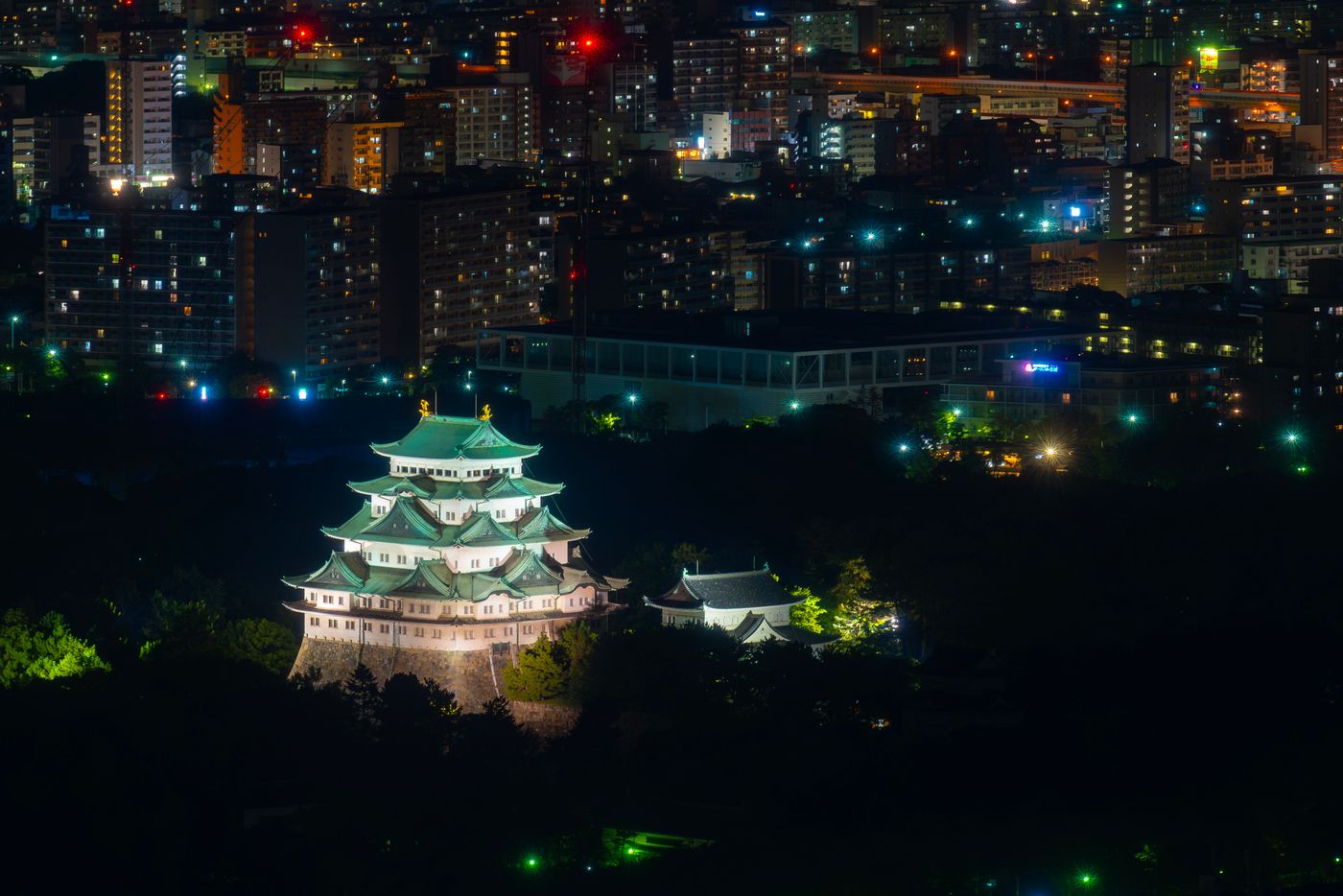
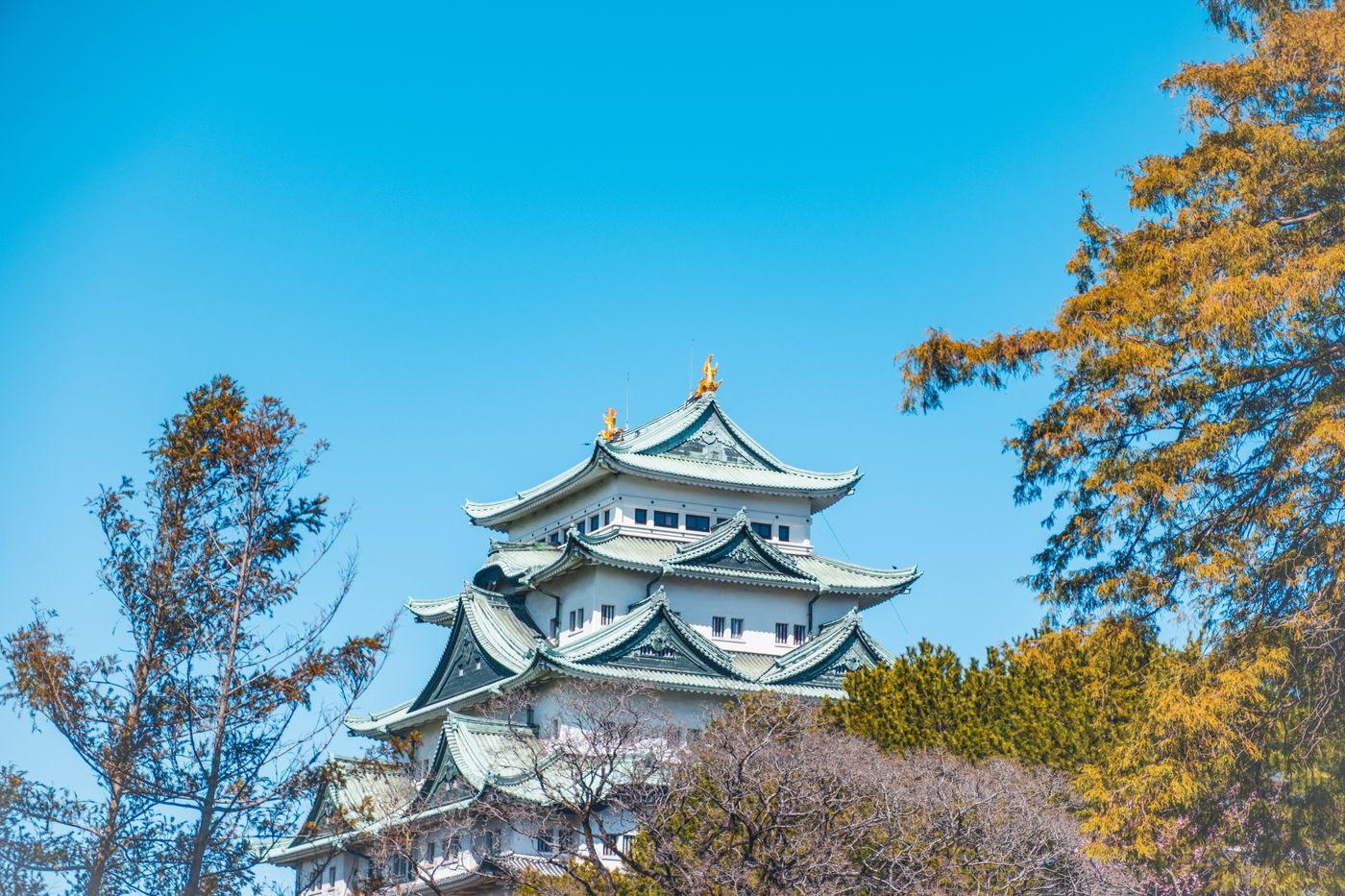
Nagoya Castle (名古屋城): Covered in the Nagoya article. The original was destroyed in 1945 bombing; the reconstruction's associated Honmaru Palace reconstruction (using traditional techniques and materials) is the most significant current Japanese castle project.
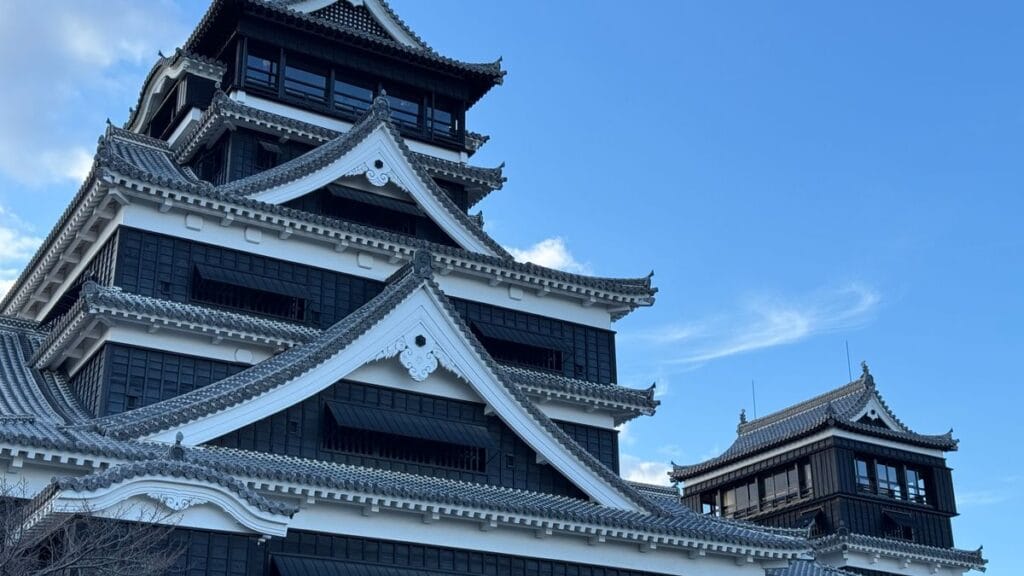
Kumamoto Castle (熊本城): Severely damaged in the 2016 Kumamoto earthquake — the restoration, ongoing into the 2020s, is one of Japan's largest cultural heritage reconstruction projects. The main tower reopened in 2021, with the broader complex restoration continuing.
Edo Castle (江戸城): Covered in the samurai history article — the most historically significant castle site, now the Imperial Palace grounds, with the original tower base visible in the East Garden.
Castle Appreciation Notes
The stone walls: Japanese castle stone wall construction — particularly the nozurazumi (野面積み / natural stone stacking), uchikomi-hagi (打込み接ぎ), and kirikomi-hagi (切込み接ぎ) techniques representing successively greater refinement — is the primary architectural achievement visible at most castle sites regardless of whether the tower survived. Learning to read the walls — identifying the construction technique, the quality of the stone selection, the angle and curvature of the base — provides engagement with the castle as an architectural achievement rather than merely a historical artifact.
The matsuri connection: Many Japanese cities' most significant annual festivals are associated with their castles — the Hirosaki cherry blossom festival, the Osaka Castle plum and cherry season, the Matsumoto castle festival. Combining castle visits with the associated seasonal events adds cultural context to the architectural experience.
Planning where to stay in Osaka? Browse our honest hotel picks and area guides.
🏨 Planning where to stay?
Every area guide on this site pairs with honest, station-by-station hotel picks. Start here: Osaka Hotel Guides →