This article may contain affiliate links. If you book through them, we may earn a small commission at no extra cost to you.
On this page
Introduction: The Castle That Shaped Modern Japan
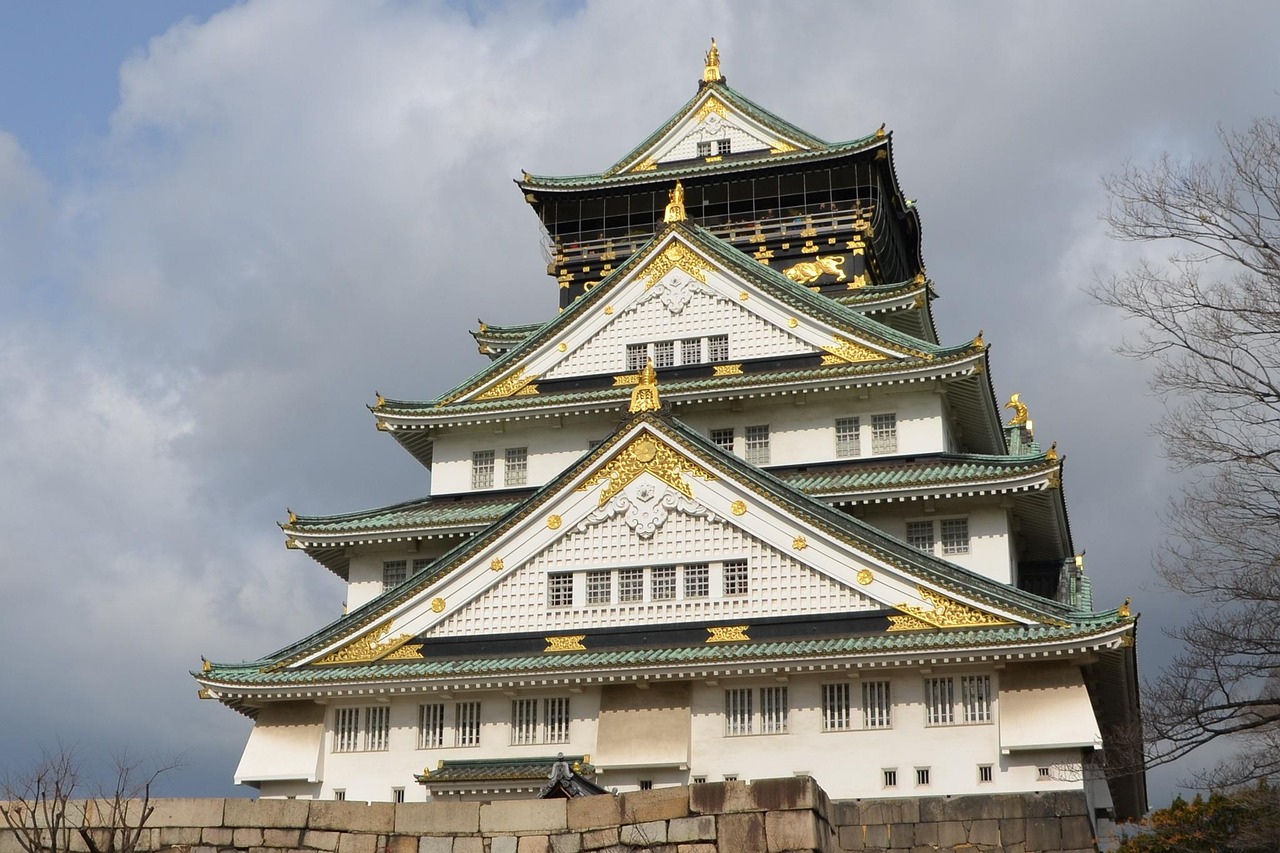
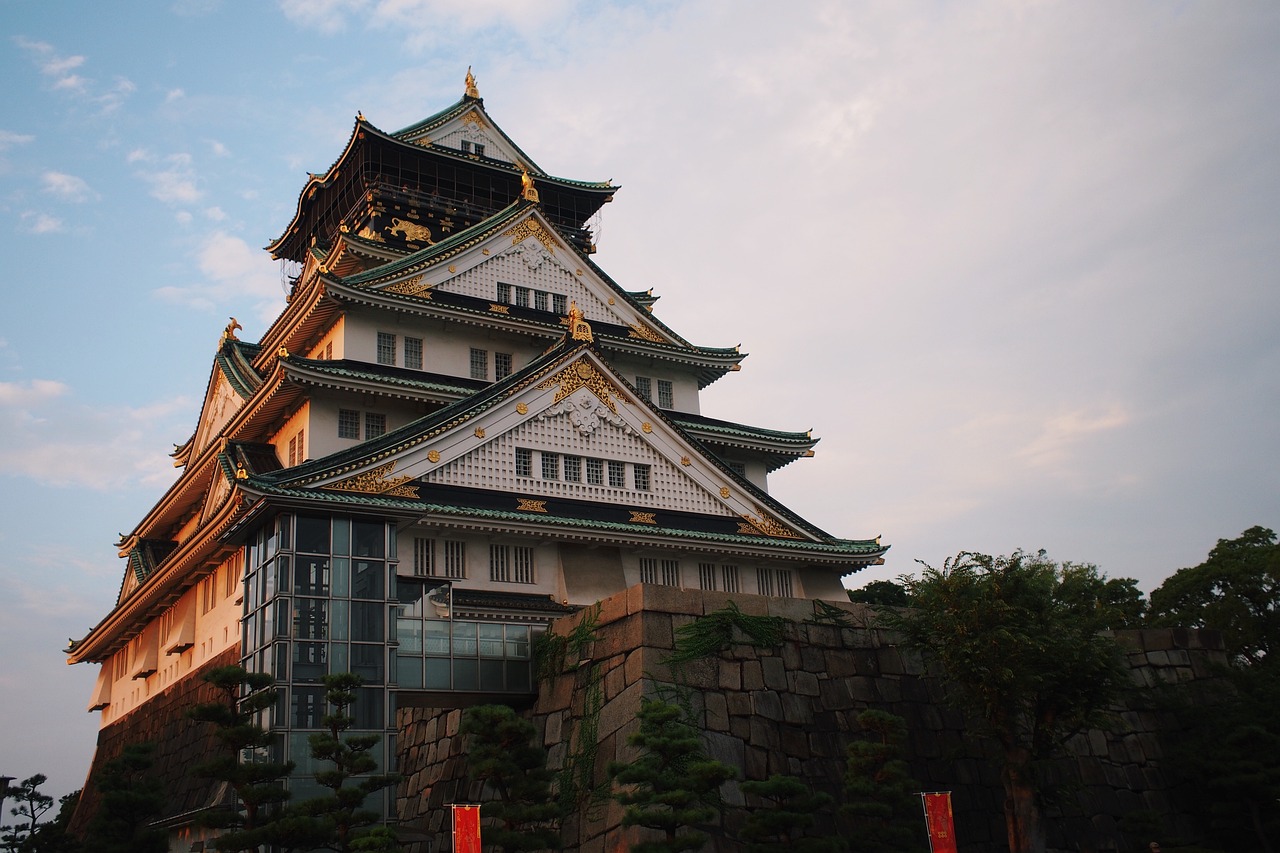
Osaka Castle (大阪城) is one of the most photographed buildings in Japan — the restored white-and-green main tower reflected in the moat, the stone walls climbing above the surrounding park, the cherry trees in blossom season. The photographs are accurate. The castle is genuinely beautiful, and the setting — stone walls that have endured for 400 years, enormous park grounds in the center of a vast city — is impressive.
But the Instagram photograph captures almost nothing of what makes Osaka Castle historically significant. It was from Osaka Castle that Toyotomi Hideyoshi (豊臣秀吉) — the general who unified Japan after a century of civil war — governed the country. The castle's construction in 1583, its destruction and rebuilding, its role in the decisive battle that ended the Toyotomi line — this history is the story of how Japan became the country that it is. Understanding even the outline of this history transforms the castle from a photogenic building into a place of genuine dramatic weight.
The History: Why Osaka Castle Matters
Toyotomi Hideyoshi and the Castle's Foundation
In 1583, Hideyoshi — a general of low birth who had risen through military genius to become Japan's most powerful man — chose the site of the Ishiyama Hongan-ji (a fortress-temple that had held out for ten years against the previous warlord, Oda Nobunaga) to build what he intended to be the greatest castle in Japan.
The construction employed over 60,000 workers and drew stone from across the Kansai region — the famous Octopus Stone (蛸石), a single granite slab measuring 5.94 meters tall and 11.7 meters wide in the second enclosure's walls, weighs an estimated 108 tons and is the largest single stone in any Japanese castle.
The message of the castle was explicit: Hideyoshi's Japan was not the fractured country of the civil war period. It was a unified state under a single authority, and the castle's size and magnificence were the physical expression of that authority.
The Winter and Summer Sieges (1614–1615)
After Hideyoshi's death in 1598, his young heir Toyotomi Hideyori retreated to Osaka Castle as Tokugawa Ieyasu maneuvered to establish the Tokugawa shogunate. In the Winter Siege (冬の陣) of 1614 and the Summer Siege (夏の陣) of 1615, Ieyasu's forces besieged the castle. The Summer Siege ended with the castle's fall, Hideyori's suicide, and the extinction of the Toyotomi line — a historical event that secured the Tokugawa dominance that would govern Japan until 1868.
The current castle tower is the third reconstruction (1931, rebuilt using ferro-concrete) — but the stone walls and moats are original 16th and 17th-century constructions.
Inside the Castle Tower: The Museum
The castle tower's eight floors function as a museum of Osaka Castle's history and the Toyotomi period. The exhibits are well-curated with English explanations and cover the castle's construction, the life of Toyotomi Hideyoshi, and the dramatic sieges of 1614–1615.
The 8th floor observation deck provides the most complete elevated view of the castle grounds and the surrounding Osaka cityscape. On clear days, the distant mountains of the Rokko range and Nara Prefecture are visible.
Nishinomaru Garden (西の丸庭園): The View
The Nishinomaru Garden — to the west of the castle's main enclosure — provides the most celebrated view of the main tower from across its walls. During cherry blossom season (late March to early April), approximately 300 cherry trees in the garden bloom simultaneously with the castle backdrop, creating one of Osaka's most photographed seasonal landscapes.
The garden is also pleasant at other times of year — the elevated position provides a consistent view of the tower, and the space is significantly less crowded than the main castle grounds.
Tanimachi (谷町): The Temple District
Tanimachi — the area immediately south and west of the castle — is Osaka's most concentrated religious district, with over 50 Buddhist temples and Shinto shrines within a compact area. The neighborhood developed during the Edo period as temple patronage required the presence of religious institutions near the city's population center, and the resulting accumulation of sacred buildings gives Tanimachi a character unlike the commercial districts that surround it.
Ikudama Jinja (生國魂神社)
One of Japan's oldest shrines, said to have been founded by the Emperor Jinmu himself — a claim that cannot be historically verified but indicates the shrine's claim to ancient precedence. The current buildings date from 1956 reconstruction after wartime bombing, but the shrine's atmosphere — a large, wooded precinct in the midst of the urban density — is genuinely serene.
Tanimachi Suji Shopping Street
The main north-south street of the Tanimachi district — Tanimachi-suji (谷町筋) — contains a concentration of antique dealers, traditional craft shops, and the kind of specialty retail that larger commercial centers have displaced. Walking south from the castle area along Tanimachi-suji is the best introduction to a side of Osaka that the Dotonbori-focused itinerary never reaches.
Recommended Base Hotels
- ANA Crowne Plaza Osaka (Mid-range / from ¥20,000): Dojima riverside, a short subway ride from the castle.
- Osaka Marriott Miyako Hotel (Luxury / from ¥40,000): In Abeno Harukas tower, panoramic views.
Planning where to stay in Osaka? Browse our honest hotel picks and area guides.
🏨 Planning where to stay?
Every area guide on this site pairs with honest, station-by-station hotel picks. Start here: Osaka Hotel Guides →