This article may contain affiliate links. If you book through them, we may earn a small commission at no extra cost to you.
On this page
Introduction: The City That Organized Itself Around a Temple
Nagano (長野) is unusual among Japanese cities in that its central organizing principle is a Buddhist temple rather than a castle or commercial hub. Zenko-ji (善光寺) — the most important Buddhist temple in eastern Japan — was established in the 7th century and attracted pilgrims from across the country for over a millennium before the modern city developed around it. The city that grew to serve these pilgrims — with its monzen-machi (門前町 / temple gate town) of inns, shops, and services — eventually became Nagano City.
This origin gives Nagano a spatial and cultural character different from most Japanese cities: the approach to Zenko-ji (仲見世通り / Nakamise-dori) functions both as the city's historical commercial center and as a genuine pilgrimage route that is still walked by genuine pilgrims today.
The 1998 Winter Olympics put Nagano on the international map for a different reason — and the transportation infrastructure built for the Games (the Hokuriku Shinkansen extension to Nagano) dramatically improved access, making the city an excellent base for both the Japanese Alps and the broader Chubu region.
Zenko-ji (善光寺): The Temple That Belongs to Everyone
Zenko-ji is one of the most visited and most culturally significant Buddhist temples in Japan — and its theological position is unusually inclusive. Unlike most major Japanese temples, Zenko-ji belongs to no single Buddhist sect — it is jointly administered by a Tendai sect (天台宗) chief priest (大勧進) and a Jōdo sect (浄土宗) chief priestess (大本願), and is considered open to all sects and all worshippers. This interdenominational status, established centuries ago, has made Zenko-ji a pilgrimage destination across sectarian lines.
The temple's principal object of worship — the Ikko Sanzon Amida Nyorai (一光三尊阿弥陀如来) — is the first Buddhist image said to have arrived in Japan, brought from Korea in the 6th century. The image has been designated Japan's foremost hidden Buddhist icon (日本最古の秘仏 / hibutsu) and has never been publicly displayed — only a replica (前立本尊 / mae-dachi honzon) is shown, during the Gokaicho (御開帳) ceremony held every seven years (next: 2033). The fact that the primary image is permanently concealed has paradoxically increased rather than decreased Zenko-ji's spiritual power — pilgrims come to worship what they cannot see.
The Okaidan-Meguri (お戒壇巡り)
The most specifically Zenko-ji experience for visitors is the Okaidan-Meguri — a passage through a completely dark underground corridor beneath the main hall. Participants feel their way along the corridor in absolute darkness, seeking a sacred key (極楽の錠前 / Gokuraku no Jōmae) mounted on the wall midway through — touching this key is believed to establish a direct connection with the Amida Buddha above.
The experience — total darkness, physical contact with the wall, the slow movement of other pilgrims around you, the specific moment of finding the key — is one of the most affecting ritual experiences available to non-Buddhist visitors in Japan. The darkness removes all visual reference and reduces the experience to touch and the awareness of other people making the same journey.
- Entry: ¥500. The corridor opens from approximately 5:30 AM (after morning service) until 4:00 PM.
Morning Service (お朝事 / O-asaji)
Zenko-ji's morning service (朝のお勤め) — held at 5:30 AM in summer (6:00 AM in winter) — is one of the most powerful Buddhist ritual experiences available to the public in Japan. The main hall fills with the sound of sutras chanted by approximately 50 priests and priestesses from both the Tendai and Jōdo administrations, the smoke of incense filling the interior, the image of the Amida Buddha (the replica) illuminated in the hall before the worshippers.
The chief priest and chief priestess process from their respective residences along the main approach to the temple — and worshippers line the path to receive a touch of the staff (数珠 / juzu), which is considered to confer a blessing.
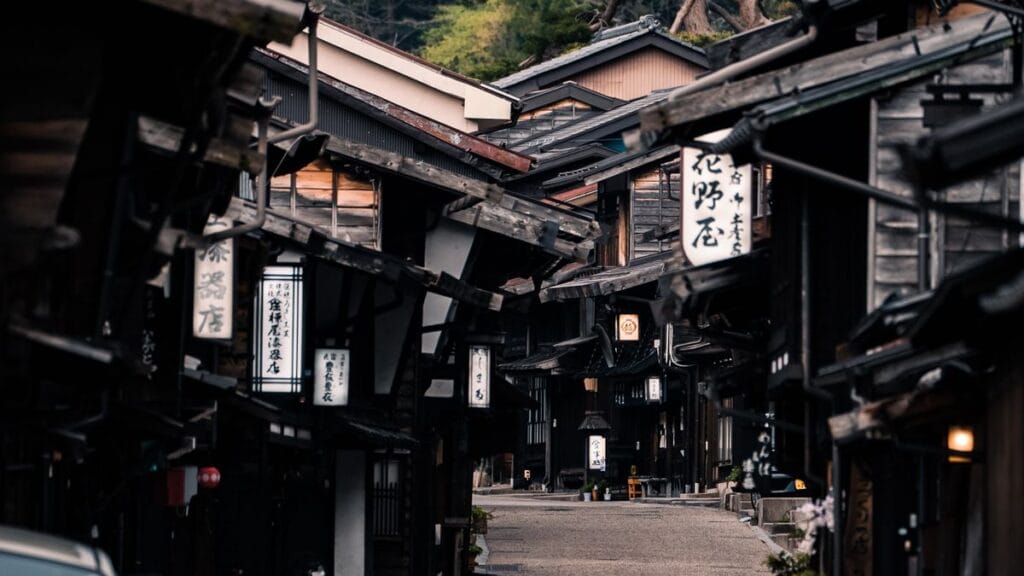
Attending the morning service requires arriving at the temple complex before 5:00 AM in summer — the Nakamise-dori is dark and quiet at this hour, lit by the lanterns of the shops not yet open, the sound of the temple bell carrying through the pre-dawn stillness.
The Monzen-machi: Approaching Zenko-ji
The Nakamise-dori (仲見世通り) — approximately 500 meters of shops leading from the main gate (Niomon) to the temple's inner precinct — has served pilgrims since the Edo period with the same categories of goods: religious items, local foods, crafts, and the inn services that supported overnight pilgrims.
The contemporary Nakamise still contains these historical categories alongside modern additions. The most specifically Nagano products available here:
Oyaki (おやき): Nagano's most distinctive local food — unleavened dough stuffed with vegetables (nozawana pickles, pumpkin, mushroom) or sweet bean paste and cooked by steaming or frying. Available from multiple stalls along the approach.
Nozawana (野沢菜): The pickled greens of Nagano Prefecture — made from a large-leafed mustard plant originally brought from Kyoto — is Nagano's most characteristic preserved food product.
Soba: Nagano's buckwheat soba is considered among Japan's finest — the cool highland climate produces buckwheat of exceptional flavor, and Nagano's soba restaurants are a required stop for anyone who takes Japanese noodle culture seriously.
Beyond Zenko-ji: Nagano as Alpine Base
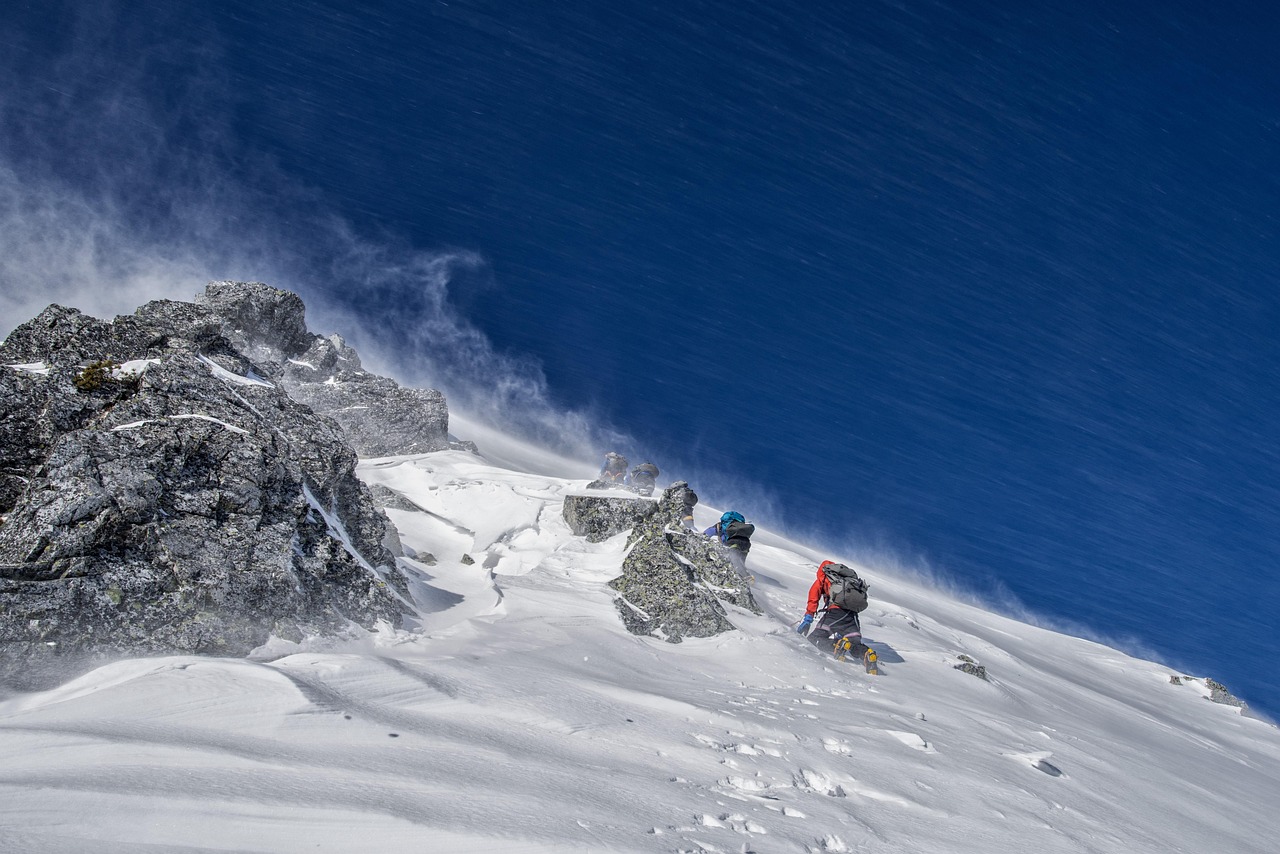
Nagano's most significant asset beyond Zenko-ji is its position as the gateway to the Japanese Alps:
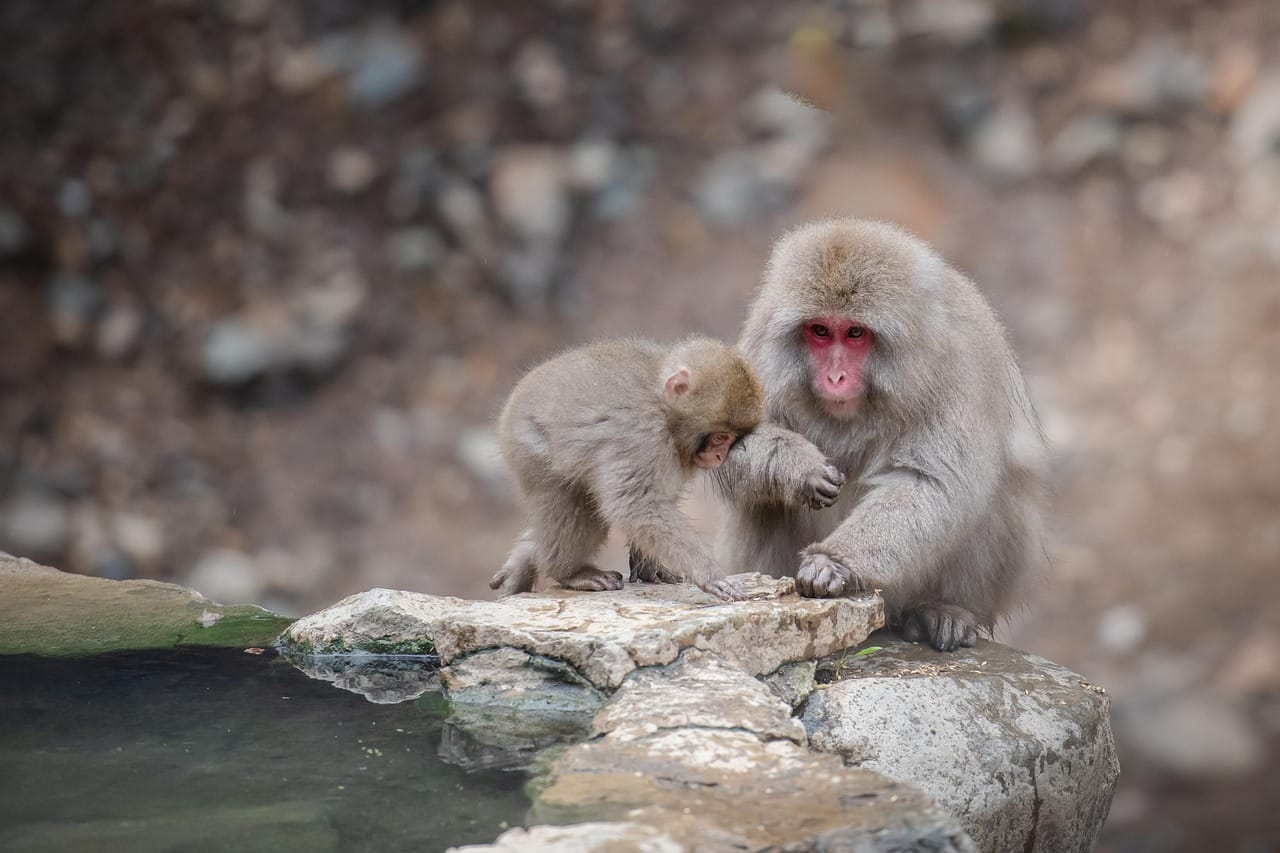
Jigokudani Monkey Park (地獄谷野猿公苑): about 1.5 hours from Nagano by train, bus and a 30-minute forest walk, the Japanese macaque (ニホンザル) population of Jigokudani has become world-famous for bathing in natural hot springs during winter — the only non-human primates known to use hot springs for thermoregulation. The image of snow monkeys in steaming hot spring water against a winter mountain backdrop is one of Japan's most internationally recognized wildlife photographs.
Skiing: Nagano's surrounding mountains — Hakuba, Nozawa Onsen, Shiga Kogen — constitute Japan's most comprehensive ski region, and the city functions as the main transportation hub for winter sports visitors.
Recommended Base Hotels
JR Hotel Metropolitan Nagano (Mid-range / from ¥15,000): Nagano Station direct connection, the most convenient location.
- Toyoko Inn Nagano-eki Zenkoji-guchi (Budget / from ¥8,000): Walking distance to Zenko-ji.
- Suwa-ko Onsen (nearby): For those interested in combining Nagano with the Suwa area hot springs.
Planning where to stay in Chubu? Browse our honest hotel picks and area guides.
🏨 Planning where to stay?
Every area guide on this site pairs with honest, station-by-station hotel picks. Start here: Nagano Hotel Guides →