This article may contain affiliate links. If you book through them, we may earn a small commission at no extra cost to you.
On this page
Introduction: The Autumn Kyoto That Most Visitors Miss
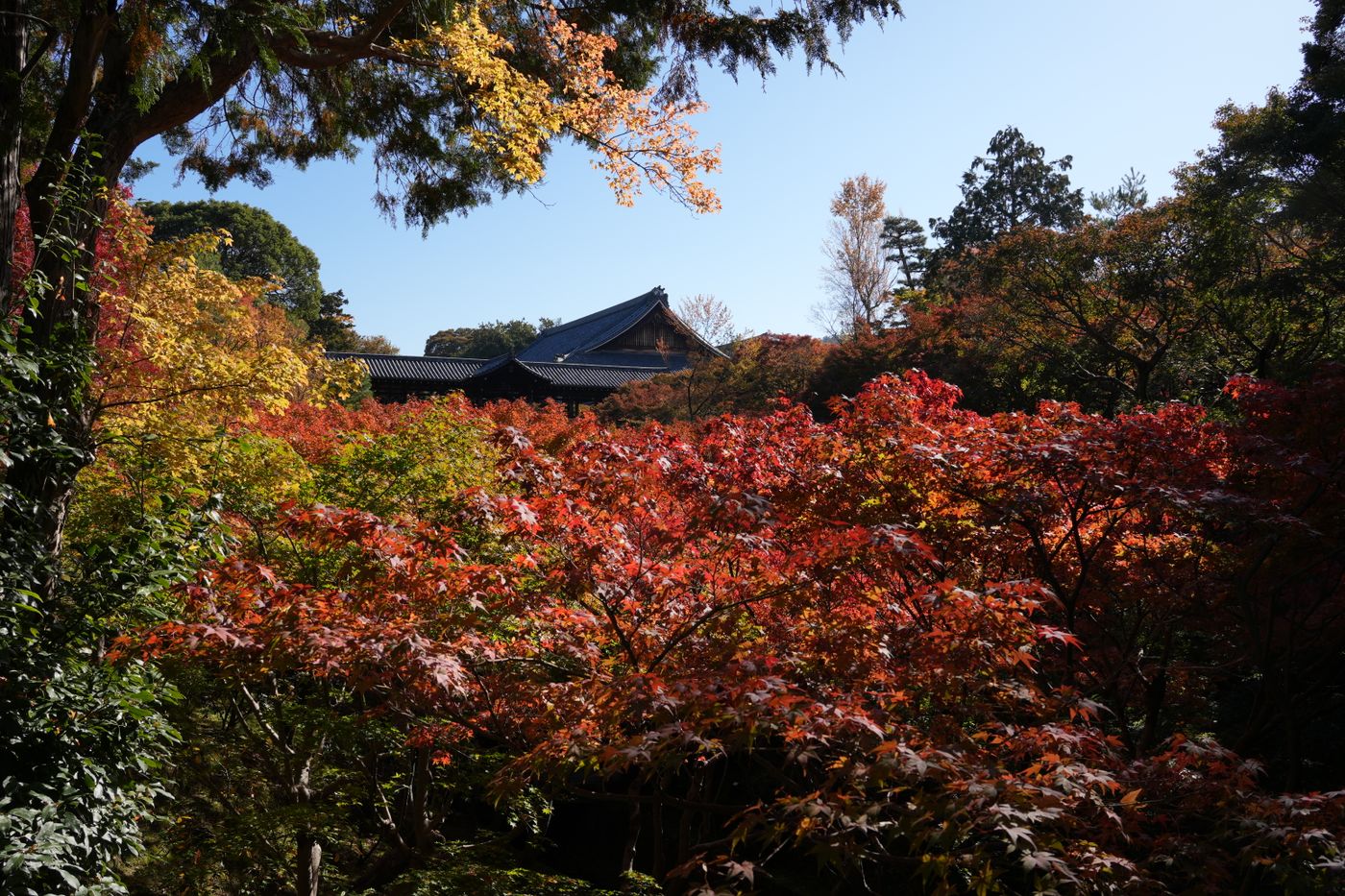
Momiji (紅葉) — the Japanese autumn foliage season — transforms Kyoto every November into what many visitors describe as the most visually beautiful version of the city. The same maple trees (momiji / カエデ) that provided green shade in summer turn brilliant red and orange against the preserved architecture of the temples, creating a combination of natural and constructed beauty unmatched in Japan.
The problem is that the momiji viewing in Kyoto is extremely concentrated. Most itineraries direct visitors to Tofuku-ji (東福寺) — which does have extraordinary autumn foliage — and a handful of other designated viewing spots. The result is that those spots become genuinely unpleasant during peak season (mid to late November): queues, fences, noise, and a density of people that makes contemplation impossible.
This guide identifies the places where Kyoto's momiji can be experienced with the combination of beauty and tranquility that makes the season worth visiting for.
The Autumn Timing: When to Go
Early November (1–10): Foliage beginning in the northern mountains (Kurama, Kibune); most city temples still fully green.
Mid-November (10–20): Best period for northern Higashiyama and the mountain temples. The "sweet spot" for Tofuku-ji and other famous spots — beautiful but not yet at absolute peak.
Late November (20–30): Peak color in central and southern Kyoto; also peak crowds. The most spectacular color coincides with the most difficult visiting conditions.
Early December (1–10): The ginkgo (イチョウ) trees (yellow, later-turning than maples) are often at their best. Some maple trees still holding late color. Significantly reduced crowds.
Local insight: Locals frequently recommend the first week of December as the optimal combination of good color and manageable crowds — the foliage is not at absolute peak, but the reduction in visitor numbers is dramatic.
Where Locals Go for Momiji
Enko-ji (圓光寺): The Finest Autumn Garden No One Knows
Enko-ji receives approximately 1% of the visitors of Tofuku-ji during autumn. The central garden — a pond surrounded by maples, with stone arrangements and moss floor — produces, at peak autumn, an image that is among the finest available in Kyoto.
The upper section of the temple provides an elevated view across Kyoto, and the combination of foliage in the foreground and the city basin in the distance is a uniquely expansive autumn view.
- Visiting time: Open from 9:00 AM; arrive at opening for the best light and emptiest grounds. During the November peak, Enko-ji switches to advance online reservation — book on the temple's website before you go (checked July 2026).
Jōjakkō-ji (常寂光寺): Arashiyama's Overlooked Temple
While most Arashiyama visitors focus on Tenryū-ji and the bamboo grove, Jōjakkō-ji on the hillside above produces an autumn color display that rivals anything in Kyoto. The pagoda visible through the maple canopy from various points within the garden is one of autumn Kyoto's finest compositions.
Ruriko-in (瑠璃光院): The Reflection Garden
Ruriko-in is only open during special viewing periods in spring and autumn (roughly mid-April to early June, and October to mid-December). Admission is ¥2,000, and during the mid-November peak weeks the autumn viewing is by advance online reservation only (checked July 2026). The garden's signature view — a low table in a Japanese-style room reflecting the maple-covered garden outside through the large windows — has become one of the most-shared autumn images from Japan in recent years.
Because the viewing period is limited and the space is intimate, booking or early arrival is essential.
Gio-ji (祇王寺): The Moss and Maple Temple
A small, deeply atmospheric Arashiyama temple with a garden entirely carpeted in moss and fallen maple leaves in November. The combination of the moss's green and the fallen leaves' red and orange creates a two-dimensional color composition on the garden floor that is unlike any other autumn garden in Kyoto.
Eikan-do (永観堂): The Famous One That's Worth It Anyway
Eikan-dō (禅林寺) is one of the most celebrated autumn viewing temples in Kyoto — and deservedly so. The multicolored maple display around the central pond, the evening illuminations, and the famous Mikaeri Amida (みかえり阿弥陀) — an Amida Buddha figure that looks backward over its shoulder in a gesture of compassionate concern for those left behind — make Eikan-dō a genuine autumn highlight.
Visit at 9:00 AM opening to have the garden largely to yourself before tour groups arrive.
The Eizan Railway Momiji Tunnel: Autumn's Most Dramatic Train Ride
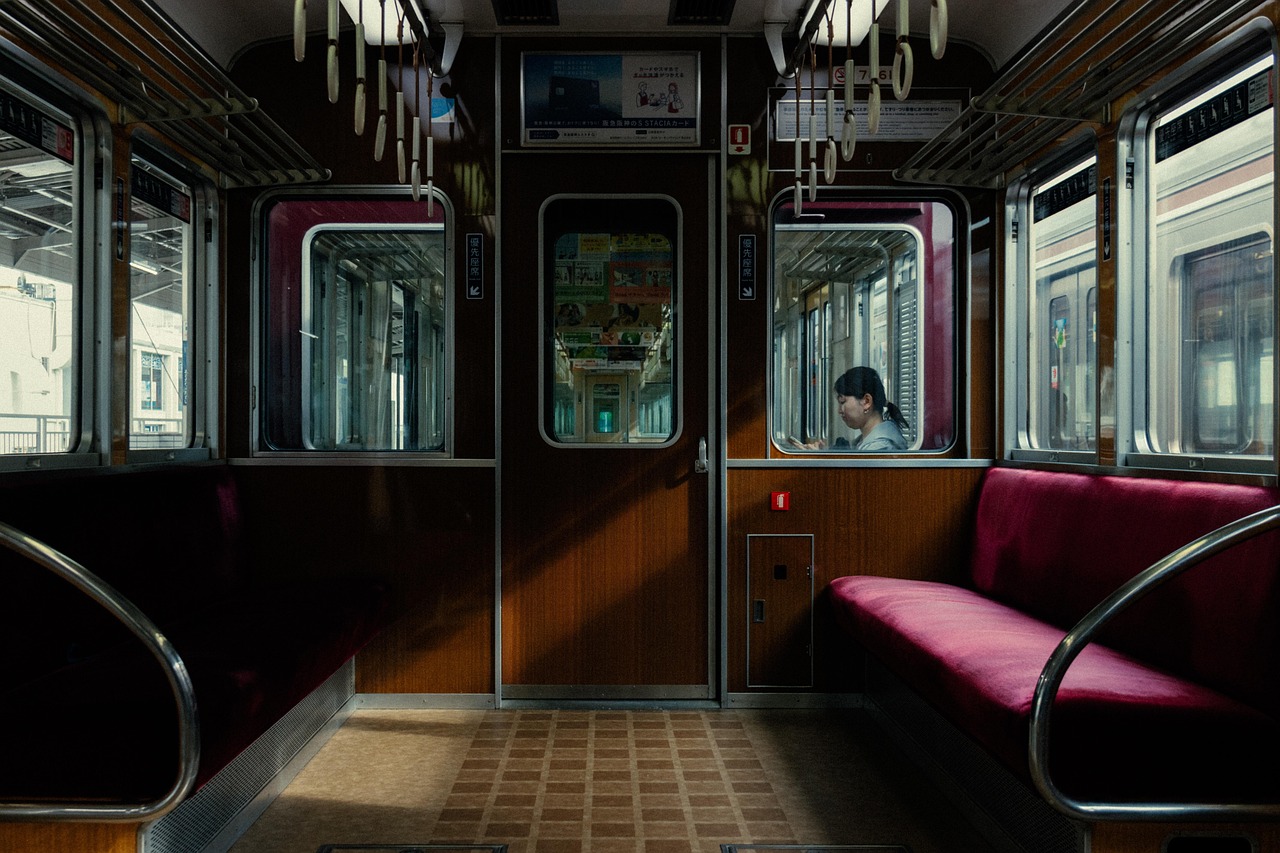
The Eizan Railway running north from Demachiyanagi toward Kurama operates a special evening service during November when the section known as the Momiji Tunnel (もみじのトンネル) — where maple trees form a complete canopy over the single-track railway — is illuminated. The experience of riding through this tunnel of lit autumn maples at night, with the single-car tram moving slowly through a corridor of red and orange light, is extraordinary and requires no further explanation.
Operating period: Typically early to late November, nightly from dusk. Regular trains slow through the illuminated section at the normal fare, with the in-car lights switched off; a separate all-reserved special train also runs on some dates (checked July 2026).
Recommended Autumn Itinerary (Three Days)
- Day 1: Enko-ji (morning) → Philosopher's Path → Eikan-do (late afternoon at opening) → Eizan Railway illumination (evening, if operating)
Day 2: Arashiyama early morning → Jōjakko-ji → Okochi Sansō → Daitoku-ji (Kōrin-in / Ōbai-in autumn special openings — the famous Kōtō-in has been closed long-term)
Day 3: Tofuku-ji (early morning, 8:00 AM opening) → Fushimi → Gio-ji
Recommended Base Hotels for Autumn
- Hotel Anteroom Kyoto (Mid-range / from ¥18,000): Southern Kyoto, convenient for Tofuku-ji and Fushimi.
- The Celestine Kyoto Gion (Mid-range / from ¥25,000): Higashiyama access for Eikan-do and Philosopher's Path.
Aman Kyoto (Luxury / from ¥150,000): Mountain garden setting with private forest — the most immersive autumn accommodation in Kyoto.
All 13 Kyoto Articles Complete
Planning where to stay in Kyoto? Browse our honest hotel picks and area guides.
🏨 Planning where to stay?
Every area guide on this site pairs with honest, station-by-station hotel picks. Start here: Kyoto Hotel Guides →