This article may contain affiliate links. If you book through them, we may earn a small commission at no extra cost to you.
On this page
Introduction: The Art of Choosing the Right Onsen Ryokan
Japan has approximately 27,000 ryokan and 3,000 onsen resorts. The range in quality, character, price, and experience is enormous — and the process of identifying which ryokan matches what you're actually looking for requires understanding several variables that most accommodation booking platforms don't capture.
This guide explains the decision variables and provides regional recommendations.
The Decision Variables
Spring Water Quality
The single most important variable — and the one least covered by standard reviews — is the quality and character of the spring water (泉質 / senshitsu). Japanese hot spring classification includes over 10 distinct water types (sulfurous, sodium chloride, bicarbonate, simple alkaline, etc.), each with different bathing properties, different visual qualities, and different therapeutic reputations.
The best ryokan publicize their spring type prominently — source temperature, flow rate (源泉かけ流し / gensen kakenagashi — continuously flowing fresh spring water rather than recirculated, reheated water — is the highest standard), and chemical analysis.
Meal Quality
Kaiseki cuisine varies enormously in quality between ryokan. At the finest establishments, the evening meal is a 10–14 course progression designed around the season and the region's ingredients, prepared by a chef with decades of training. At more modest ryokan, the same structural format produces adequate but uninspired food. Reviews that specifically address the meal quality (rather than the room or the view) are the most useful guides to this variable.
Bath Configuration
Different visitors want different bathing arrangements. Options include:
- Communal indoor bath (大浴場 / daiyokujo): The standard — separate male and female baths available to all guests
Outdoor bath (露天風呂 / rotenburo): Open-air bathing, the most atmospheric option
Private bath (貸切風呂 / kashikiri buro): Exclusively reserved for one group at a time
In-room bath (部屋風呂 / heya-buro): A private bath within the room itself
The finest ryokan offer all four options.
Regional Recommendations
Hakone
Gora Kadan (強羅花壇) (from ¥60,000 per person): The standard of Hakone luxury — former imperial family villa, exceptional kaiseki, extraordinary sulfurous outdoor baths.
- Yama no Chaya (from ¥30,000 per person): More accessible price, genuine quality.
Kyoto
Tawaraya (俵屋) (from ¥100,000 per person): Considered Japan’s finest ryokan overall — in continuous operation for over three centuries.
Hiiragiya (柊家) (from ¥60,000 per person): Machiya townhouse format in central Kyoto — the most historically authentic option.
Beppu/Yufuin
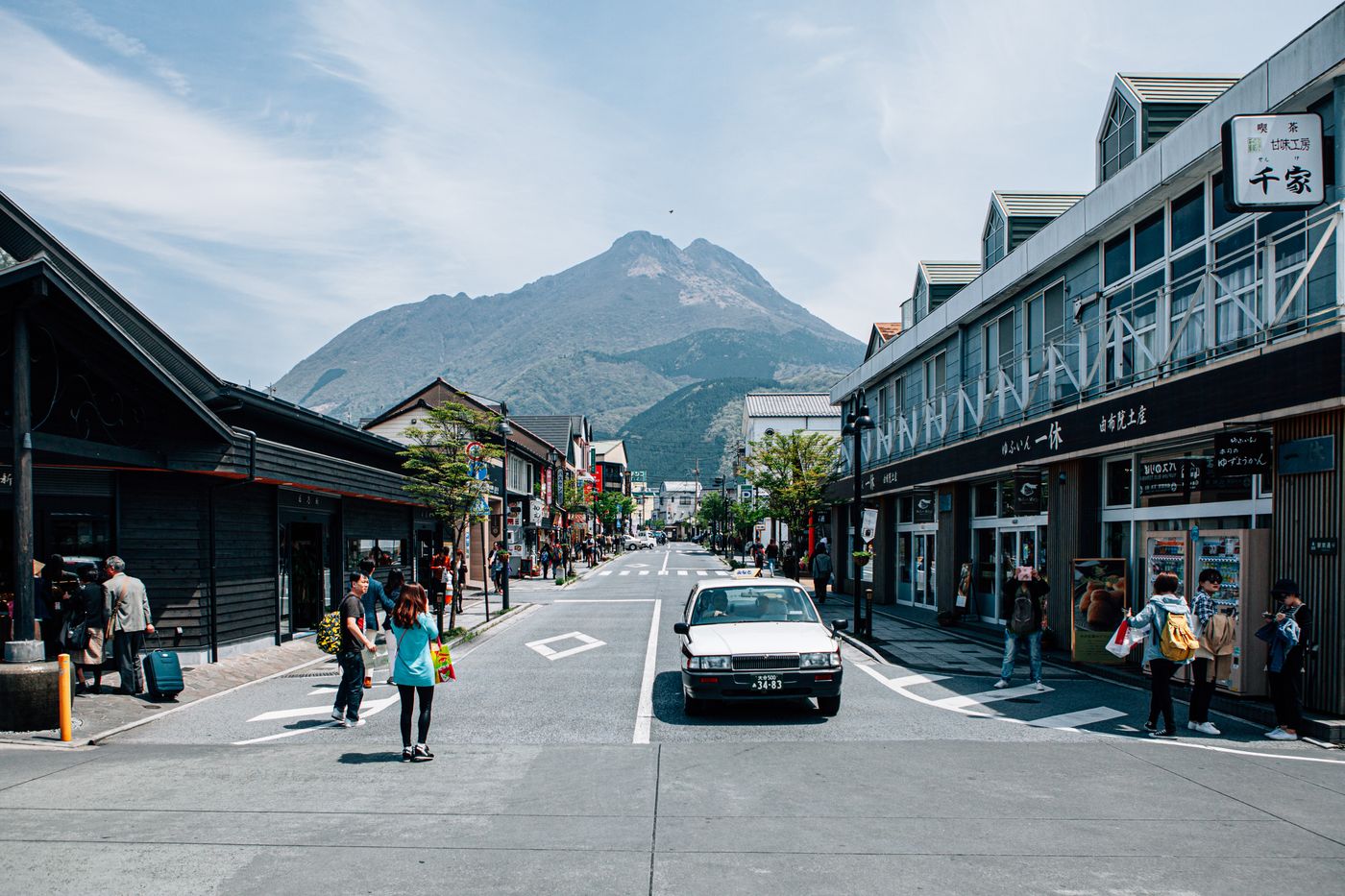
Sanso Murata (山荘無量塔) in Yufuin (from ¥60,000 per person): Private forest cottages with outdoor baths — the finest Kyushu onsen experience.
- Suginoi Hotel in Beppu (from ¥25,000 per person): The scale of Beppu resort culture at its best.
Tohoku
- Ginzan Onsen Fujiya (藤屋) (from ¥45,000 per person): See dedicated Ginzan article.
Hoshina Ryokan in Kinosaki Onsen (from ¥22,000 per person): The Kinosaki model — seven public baths in the town, yukata walking between them.
Hokkaido
- Noboribetsu Grand Hotel (from ¥30,000 per person): Multiple spring types, comprehensive facilities.
- Akan Yu no Yado Tsuruga (from ¥25,000 per person): Lake view, excellent Ainu cultural programming.