This article may contain affiliate links. If you book through them, we may earn a small commission at no extra cost to you.
On this page
Introduction: The Spectrum from Tourist Theater to Genuine Practice
Chadō (茶道 / the Way of Tea) — the Japanese tea ceremony — is one of the most refined and philosophically substantial practices in Japanese culture: a ritual preparation and sharing of matcha (抹茶) green tea that synthesizes aesthetics, Buddhist philosophy, seasonal awareness, and the specific ethics of ichigo-ichie (一期一会 / "one time, one meeting") — the idea that every tea gathering is unique and will never be repeated in exactly the same form.
The range of experiences available to foreign visitors spans from 5-minute tourist demonstrations at ¥500 (approx. $3) in Kyoto's tourist districts to 2-hour formal tea gatherings in active tea schools where the practice is taught and conducted with genuine seriousness. The difference between these experiences is total.
The Spectrum of Experiences
Level 1: The Tourist Tea Ceremony (¥500 (approx. $3)–¥1,000 (approx. $7))
Available at: Numerous locations in Kyoto's Higashiyama, Arashiyama, and Gion districts; hotel lobbies throughout Japan.
What it provides: A cup of pre-prepared or quickly prepared matcha and a sweet, consumed while seated in a Japanese-style room, often with a brief demonstration of the utensils.
Honest assessment: Not a tea ceremony. A tea introduction with attractive aesthetics. The space is appropriate; the matcha is genuine; the understanding of what is being presented and why is absent. Suitable as a first encounter with matcha in a Japanese setting; insufficient as a meaningful cultural experience.
Level 2: The Participatory Tea Experience (¥2,000 (approx. $13)–¥4,000 (approx. $27))
Available at: Several Kyoto schools and tea houses offer 45–90 minute sessions that include instruction in the basic procedures — how to sit (seiza or cross-legged), how to handle the bowl (chakin / 茶巾, how to receive and drink), and an explanation of the ceremony's aesthetic principles.
Recommended operators in Kyoto:
Urasenke Foundation (裏千家): One of the three major schools of Japanese tea, with a headquarters complex in Kyoto that offers formal and introductory experiences. The most historically credentialed option.
Tea ceremony Kyoto (茶道体験京都): Multiple English-friendly operators near Nishiki Market and Arashiyama offering 45-minute guided participatory experiences.
What it provides: Sufficient understanding to contextualize what is happening and why; genuine matcha preparation and consumption in appropriate conditions; the experience of formal Japanese spatial etiquette.
Level 3: The Formal Tea Gathering (茶会 / Chakai) (¥5,000 (approx. $33)–¥15,000 (approx. $100))
Available at: Tea schools, temple tea facilities (Daitoku-ji sub-temples, Ura-Senke), and seasonal public tea gatherings.
What it provides: A complete formal tea gathering — kaiseki meal or light meal (kaiseki originally developed specifically as tea ceremony food), formal thin tea (薄茶 / usucha) and thick tea (濃茶 / koicha) service, seasonal utensils and hanging scrolls appropriate to the date, and the specific quality of temporal awareness that the ceremony's formal structure produces.
The experience: The formal tea gathering slows time in a specific way. The 90–120 minutes of a complete chakai produce a quality of attention to the present moment — the specific light in the room, the sound of water in the kettle, the texture of the bowl's clay against the palms — that is the ceremony's fundamental purpose and unavailable in shorter formats.
Understanding What You're Attending
The Four Principles
Chadō is built on four principles articulated by Sen Rikyū (千利休) — the 16th-century tea master considered the founder of the classical tea ceremony:
Harmony (和 / wa): The harmony between host, guest, utensils, and seasonal awareness. Respect (敬 / kei): Mutual respect between host and guest, and between people and objects. Purity (清 / sei): The physical and spiritual cleanliness of the tea space and the practice. Tranquility (寂 / jaku): The stillness that results from the cultivation of the other three — the quality that makes the tea gathering a meditative practice rather than simply a social one.
Wabi (侘び): The Aesthetic
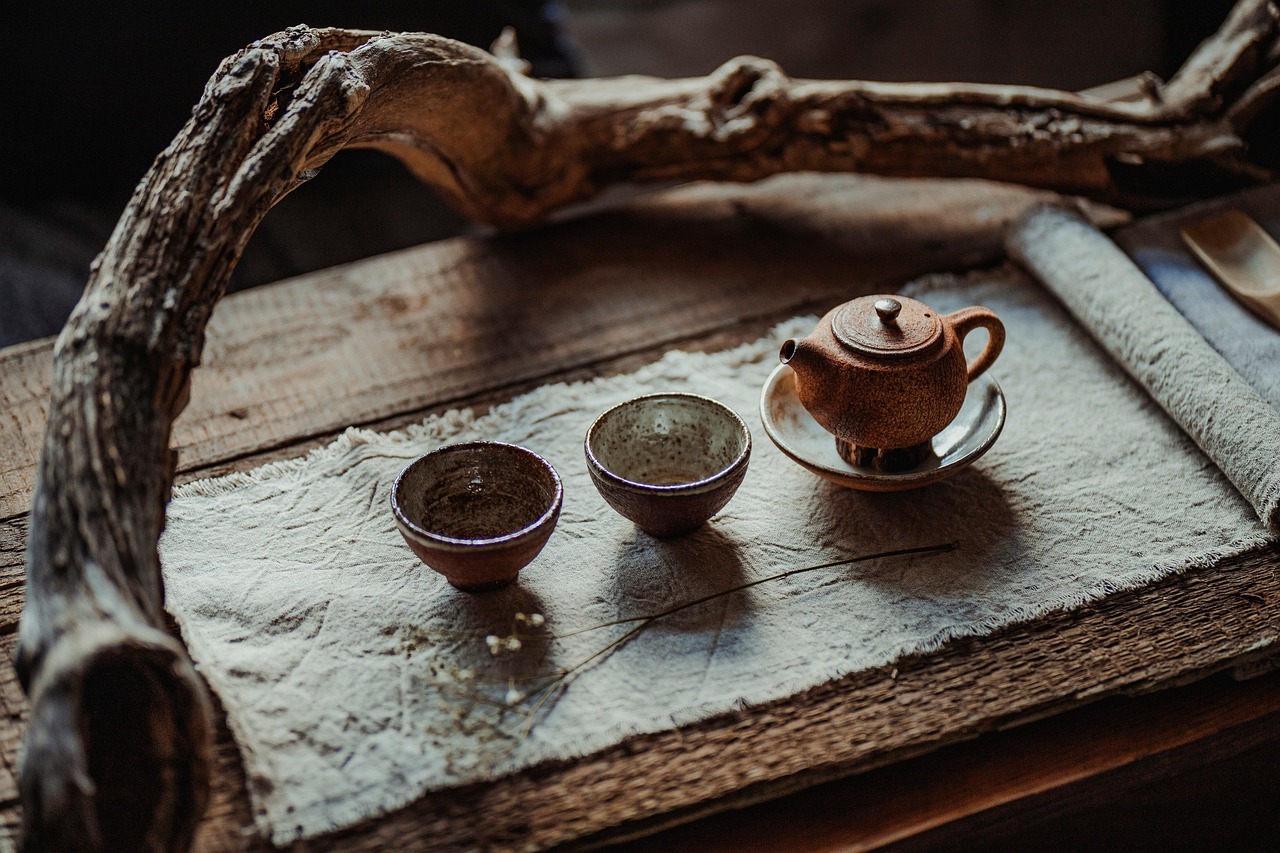
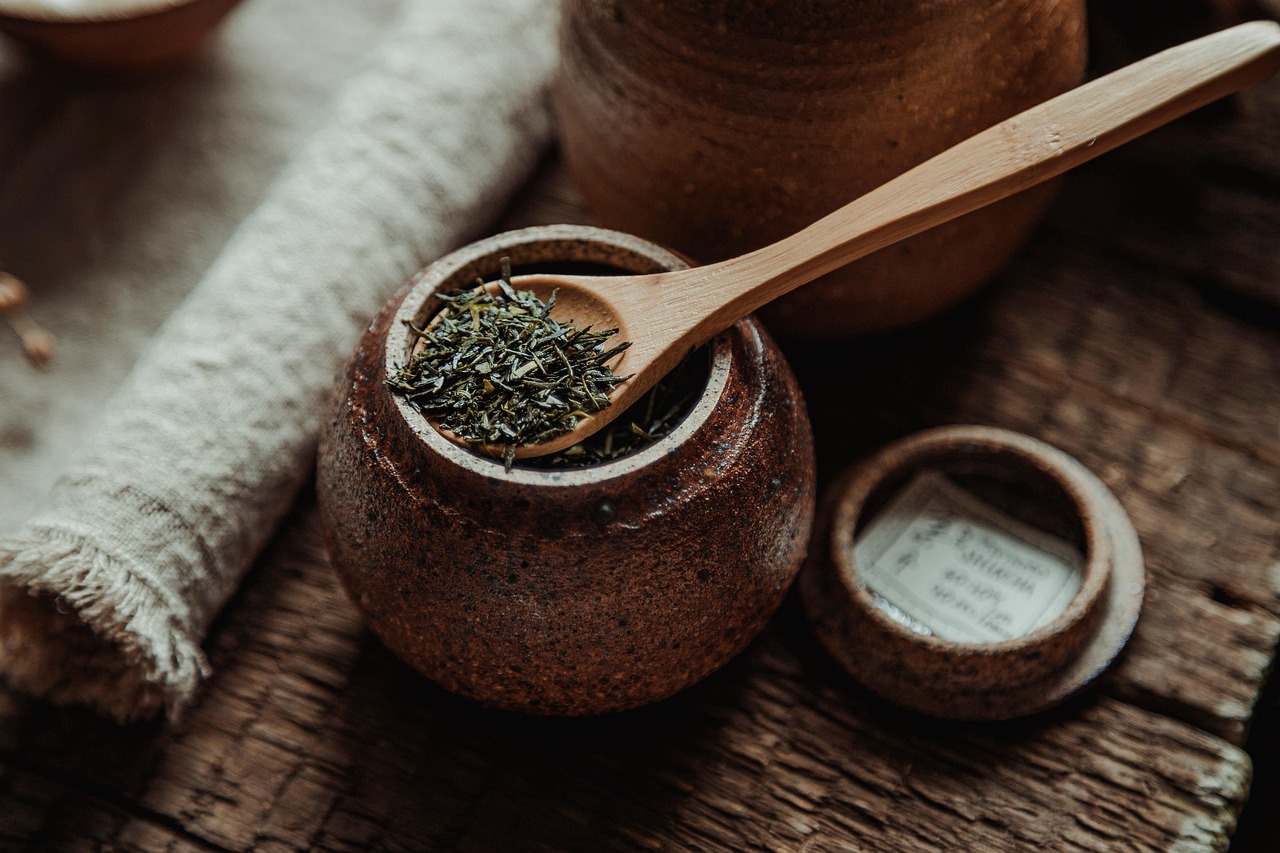
The tea ceremony's aesthetic is wabi — an appreciation for the simple, the incomplete, the imperfect, and the transient that directly opposes the ornate and the permanent. The utensils chosen for a tea ceremony are selected for their wabi quality — a cracked bowl repaired with gold lacquer (金継ぎ / kintsugi), an uneven tea scoop carved from a natural bamboo joint, a clay jar whose glaze broke unevenly in the kiln — not despite their imperfections but through them.
Recommended Base Hotels
- Kyoto Nishiki area hotels: For participatory tea experiences near the school concentrations.
- Daitokuji area accommodation: For access to the most historically significant tea spaces.
🏨 Planning where to stay?
Every area guide on this site pairs with honest, station-by-station hotel picks. Start here: Hotel Guides by Station →