This article may contain affiliate links. If you book through them, we may earn a small commission at no extra cost to you.
On this page
Introduction: The Untamed Side of Japan
The island of Shikoku's southern coast faces the Pacific Ocean directly — no enclosed sea, no protective chain of islands, just the open expanse of the Pacific generating swells that arrive uninterrupted from the tropics. The result is a coastline of dramatic cliffs, powerful surf, and a quality of oceanic light that is completely different from the sheltered Seto Inland Sea coast to the north.
Kochi (高知) — the capital of Kochi Prefecture, which occupies the southern third of Shikoku — is the most significant city on this wild coast, and the combination of its particular history (the birthplace of Sakamoto Ryōma, Japan's most romantically celebrated historical figure), its food culture (the finest freshwater fish and Pacific seafood in Japan), and its proximity to some of the country's most dramatic coastal scenery makes it one of the most undervisited and most rewarding cities in Japan.
Kochi Castle (高知城): The Complete Surviving Castle
Kochi Castle is one of only twelve original (non-reconstructed) Japanese castles remaining. Unlike Matsuyama Castle (also original), Kochi Castle is distinguished by the survival of not just the main keep but the complete castle complex — the inner citadel buildings including the main keep, the Hon-maru Goten (palace), the watchtowers, and the approach gate all survive in their original 18th-century form.
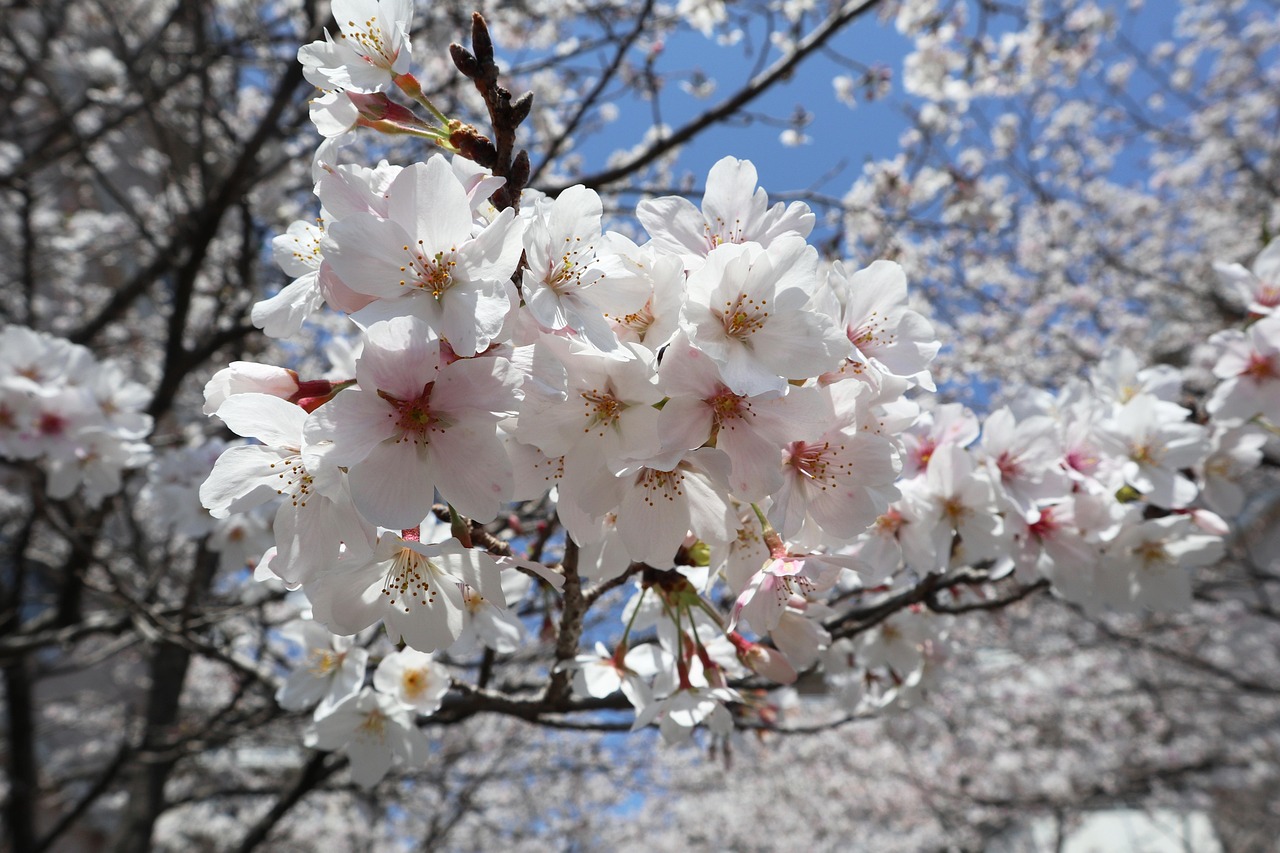
The castle sits on Kochi Hill (大高坂山), accessible by a 15-minute walk through the Kochi Castle Park, whose approach is lined with cherry trees. The views from the main keep's observation floor — across the Kochi basin to the distant mountains — provide the best orientation to Kochi's geography: a flat coastal plain surrounded on three sides by mountains and opening to the Pacific in the south.
Hirome Market (ひろめ市場): Kochi's Culinary Heart
Hirome Market is the most energetic and enjoyable food market in Shikoku — a covered market hall near Kochi Castle where approximately 60 individual food stalls and restaurants surround communal seating areas in a format that encourages group grazing rather than sit-down dining. The market operates from 11:00 AM to 11:00 PM, and from the early afternoon, the seating areas fill with local workers, tourists, and families — the atmosphere resembling a permanent festival more than a conventional market.
What to eat at Hirome:
Katsuo no Tataki (カツオのたたき): This is Kochi's defining dish and one of Japan's greatest regional foods — seared bonito (katsuo / 鰹), the surface charred over rice straw (藁 / wara) until fragrant while the interior remains completely raw, then sliced thickly and served with garlic, ginger, green onion, and ponzu. The straw-smoking imparts a flavor that cannot be replicated by other cooking methods, and the combination of charred exterior, raw interior, aromatic herbs, and acidic ponzu is a balance of flavors that takes Kochi's claim to food supremacy seriously.
Kochi is the largest bonito fishing port in Japan, and the katsuo at Hirome is the freshest in the country. Every stall serving tataki cooks it to order on rice straw flames visible from the seating area — the smell of the straw smoke mingles with the smell of soy sauce and citrus throughout the market.
Dokusarino Imo Tenpura (どろっとした揚げ物): Kochi's cooking style is notably more robust and rustic than Kyoto or Osaka — the cuisine of a rural prefecture facing the Pacific rather than the refined commercial culture of the Kansai cities.
Kochi sake (土佐酒): Kochi is one of Japan's major sake-producing regions, and the local sake — generally dry (辛口 / karakuchi), clean, and direct in flavor — is the perfect complement to tataki. The Hirome stalls offer extensive sake and shochu selections.
The Sunday Market (日曜市): Japan's Longest Open-Air Market
The Kochi Sunday Market (日曜市) — held every Sunday along a 1.3-kilometer stretch of the Otesuji boulevard — is the longest running and largest regular open-air market in Japan, with records of continuous operation going back over 300 years. Approximately 600 stalls offer local produce, processed foods, crafts, tools, antiques, and plants.
The market operates from 5:00 AM to 6:00 PM (some stalls earlier, most packing up by late afternoon). Arriving by 8:00 AM gives the best selection and the best atmosphere before the crowds build.
What to look for:
Kochi produce: The subtropical climate of the Kochi coast supports unusual agricultural products — yuzu (柚子) citrus (the finest in Japan), myoga ginger, green onion, and various unique local vegetables.
- Dried fish and seafood: The Pacific coast's bounty processed by traditional methods.
- Pottery and crafts: Local ceramics and woven goods at market prices significantly below retail.
Katsurahama (桂浜): The Pacific Coast at Its Most Dramatic
Katsurahama — 15 minutes by bus from central Kochi — is the coastline of the Pacific Kochi coast in its most concentrated form: a curved beach of dark sand backed by pine trees, dramatic rock formations at the beach's ends, and the open Pacific producing the kind of surf that arrives when no land interrupts the ocean between Japan and Central America.
Swimming is prohibited at Katsurahama due to the powerful currents and riptides — which may seem a limitation but actually preserves the beach's wild, undomesticated character. The beach is a place to watch the Pacific, not to enter it — and the combination of the dark sand, the pine forest, the rocks, and the white water crashing is one of the most visually powerful coastlines in Japan.
The Sakamoto Ryōma Statue
At the northern end of Katsurahama, a bronze statue of Sakamoto Ryōma stands on the clifftop above the beach — gazing out toward the Pacific as if contemplating the wider world. The statue has become one of the most recognized images of historical Kochi, and the pose — slightly turned, looking into the distance — captures the quality of forward-looking restlessness that made Ryōma the most compelling figure of the Meiji Restoration's intellectual prehistory.
Ryōma Historical Museum (坂本龍馬記念館)
Adjacent to the Katsurahama beach area, this museum dedicated to Ryōma's life and historical significance has excellent English-language materials and is the most complete single-site introduction to his story available anywhere.
Recommended Base Hotels
- Kochi Pacific Hotel (Mid-range / from ¥12,000): Convenient central Kochi location.
- Kurofune Hotel Kochi (Mid-range / from ¥10,000): Good value, near Hirome Market.
Planning where to stay in Shikoku? Browse our honest hotel picks and area guides.
🏨 Planning where to stay?
Every area guide on this site pairs with honest, station-by-station hotel picks. Start here: Kochi Hotel Guides →