This article may contain affiliate links. If you book through them, we may earn a small commission at no extra cost to you.
On this page
- Introduction: The Castle That Survived Everything
- The Architecture: Understanding What You're Looking At
- The Main Keep Interior
- Kōkoen Garden (好古園): The Castle's Complement
- Senbon Sakura (千本桜): The Castle in Cherry Blossom Season
- Engyoji Temple (圓教寺): The Mountain Temple Above Himeji
- Recommended Base Hotels
Introduction: The Castle That Survived Everything
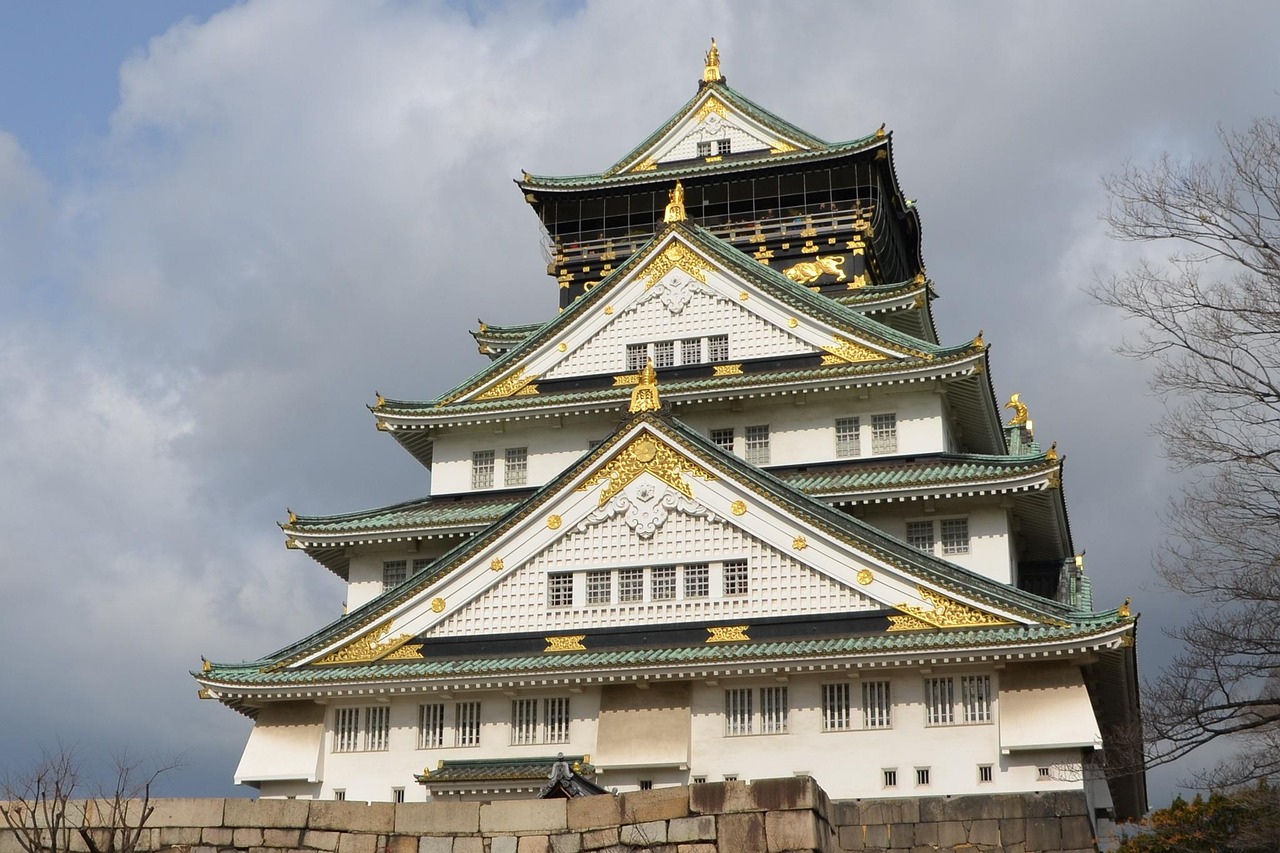
Japan has hundreds of castles. Most are either modern concrete reconstructions (Osaka, Nagoya), significantly altered from their original state, or survived only as ruins. Himeji Castle (姫路城) is something different: a genuine 17th-century original — its main keep (天守閣), defensive walls, gates, and moats surviving intact through the Meiji abolition of the feudal system, through the World War II bombing that destroyed most of Himeji city, through the 20th century's general indifference to feudal architecture, and through three earthquakes that would have brought less well-constructed buildings down.
The result is the most complete surviving example of Japanese castle architecture in the world — a UNESCO World Heritage Site (1993) that justifies every superlative applied to it.
The Architecture: Understanding What You're Looking At
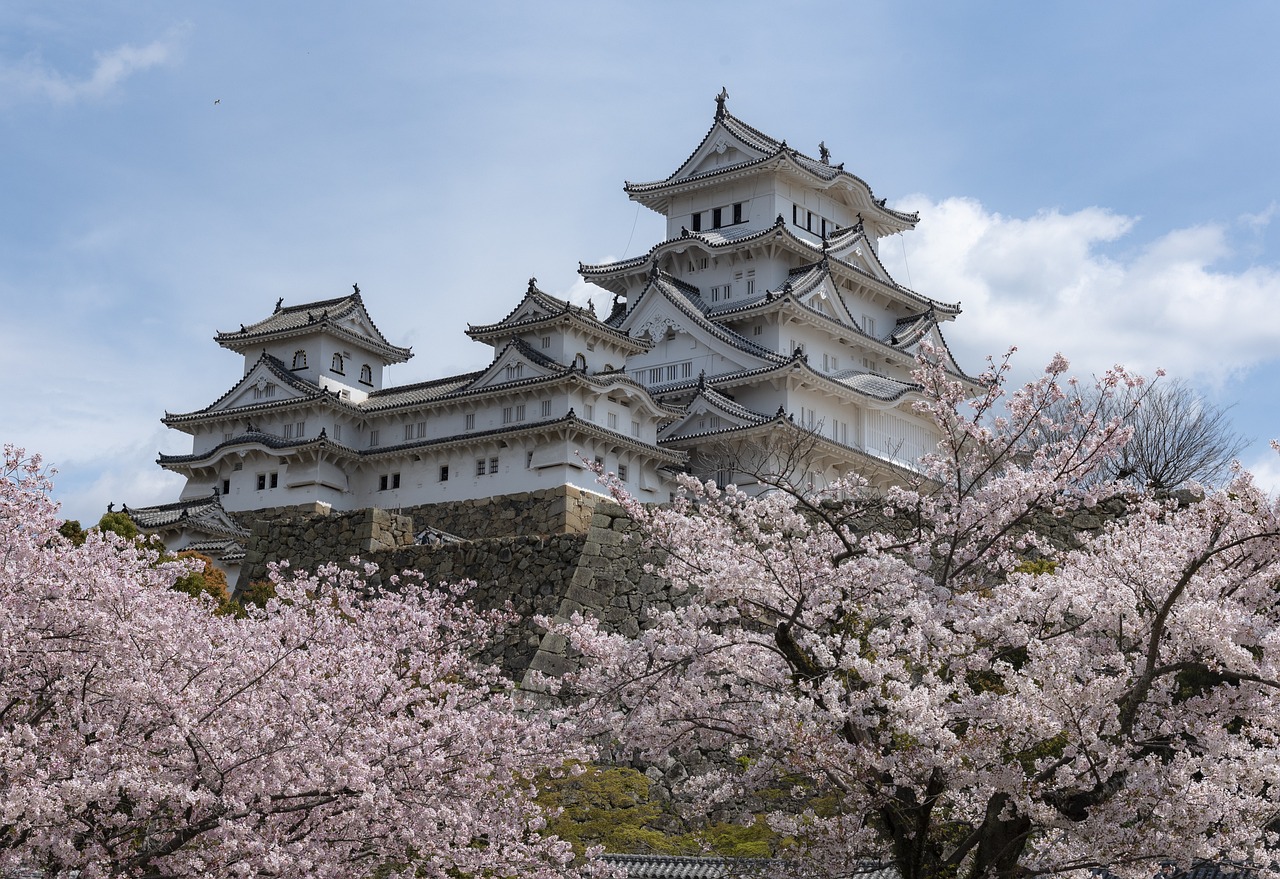
Himeji Castle is not a single building — it is a castle compound (城郭 / jōkaku) of extraordinary complexity, consisting of:
The Main Keep (大天守 / Daiten-shu): Six stories externally, seven internally (the irregular count results from the concealment of one floor for defensive reasons). 46.4 meters tall.
- Three Subsidiary Keeps (小天守 / Koten-shu): Connected to the main keep by covered corridors.
- Multiple Gates (門): 84 gates in the original design, many surviving.
Stone Walls (石垣): The combination of curved base (反り / sori) and straight upper section creates the characteristic silhouette.
White Plaster Exterior: The brilliant white of Himeji's plaster — which has given it the nickname "White Heron Castle" (白鷺城 / Shirasagi-jō) — is the combination of the base material and the lime-and-shellfish-shell plaster coating that serves as both weatherproofing and fireproofing.
The Defensive System
Walking through Himeji's defensive layers from the outer moat to the main keep reveals the sophistication of the castle's military design:
Meiro (迷路 / Labyrinth): The approach to the main keep is deliberately confusing — pathways that appear to lead toward the keep in fact curve away from it; gates are positioned so that attackers must turn at right angles (exposing their unshielded right side to defenders). Following the correct path today, even with signs, takes careful attention — the design is as effective as intended.
Loopholes (狭間 / Hazama): The walls and corridors contain thousands of loopholes in three shapes: circle (for firearms), triangle (for arrows), and rectangle (for stones). The variety reflects the multiple-weapons strategy of 17th-century Japanese military architecture.
Stone Drop Chutes (石落とし / Ishi-otoshi): Overhanging sections of the defensive walls allow stones and boiling water to be dropped directly onto attackers at the base of the walls.
The Main Keep Interior
The interior of the main keep is accessed via a single narrow entrance (requiring removal of shoes, which are carried in a bag) and climbs through seven floors via steep wooden staircases.
Floor highlights:
- Ground level: Storage area with massive wooden beams and the castle's cistern (water storage for siege conditions)
- Middle floors: Weapons storage and display; windows providing the first elevated views over the outer defensive works
- 6th floor: The best views and the castle's principal shrine (Osakabe Jinja / 刑部神社), where the deity of the castle is enshrined
Physical note: The staircases are steep by modern safety standards. Visitors with mobility limitations should assess carefully before ascending.
Kōkoen Garden (好古園): The Castle's Complement
Adjacent to the castle's western enclosure, Kōkoen is a traditional Japanese garden built in 1992 on the site of the Edo-period samurai residences that once occupied this space. The garden's nine distinct areas — each in a different historical garden style — make excellent use of the castle's stone walls as borrowed scenery, and the combination of the white castle visible above the garden walls and the refined garden landscape below is one of the finest composed views in the Kansai region.
The garden's tea house serves matcha and sweets overlooking the main pond — an excellent recovery stop after the physical demands of the castle.
Senbon Sakura (千本桜): The Castle in Cherry Blossom Season
During the final days of March and the first week of April, approximately 1,000 cherry trees within the castle grounds bloom simultaneously. The combination of the white castle towers and the pink blossoms below has been celebrated in Japanese art and poetry for centuries and is today one of Japan's most anticipated seasonal events.
Practical note: Cherry blossom season brings significant crowds to Himeji. Arrive at opening (9:00 AM) to have the most photogenic compositions with manageable visitor numbers.
Engyoji Temple (圓教寺): The Mountain Temple Above Himeji
A 20-minute ropeway ride from the city (accessible by bus from Himeji Station) takes visitors to Engyoji (圓教寺) — a Buddhist temple complex on the summit of Mount Shosha (書写山) that was founded in 966 CE. The complex's main halls (Maniden, Daiko-do, Jikido) are well-preserved Muromachi-period structures in a forested mountain setting that was used as a filming location for Tom Cruise's The Last Samurai (2003) and several Japanese period films.
Combining a morning at Himeji Castle with an afternoon at Engyoji makes a complete day from Osaka or Kyoto.
Recommended Base Hotels
- Hotel Monterey Himeji (Mid-range / from ¥12,000): Castle-view rooms available; walking distance.
- Dormy Inn Himeji (Mid-range / from ¥10,000): Natural hot spring, Himeji Station area.
Planning where to stay in Kansai? Browse our honest hotel picks and area guides.
🏨 Planning where to stay?
Every area guide on this site pairs with honest, station-by-station hotel picks. Start here: Hyogo Hotel Guides →