This article may contain affiliate links. If you book through them, we may earn a small commission at no extra cost to you.
On this page
Introduction: The Ski Resort That Becomes a Hiking Destination
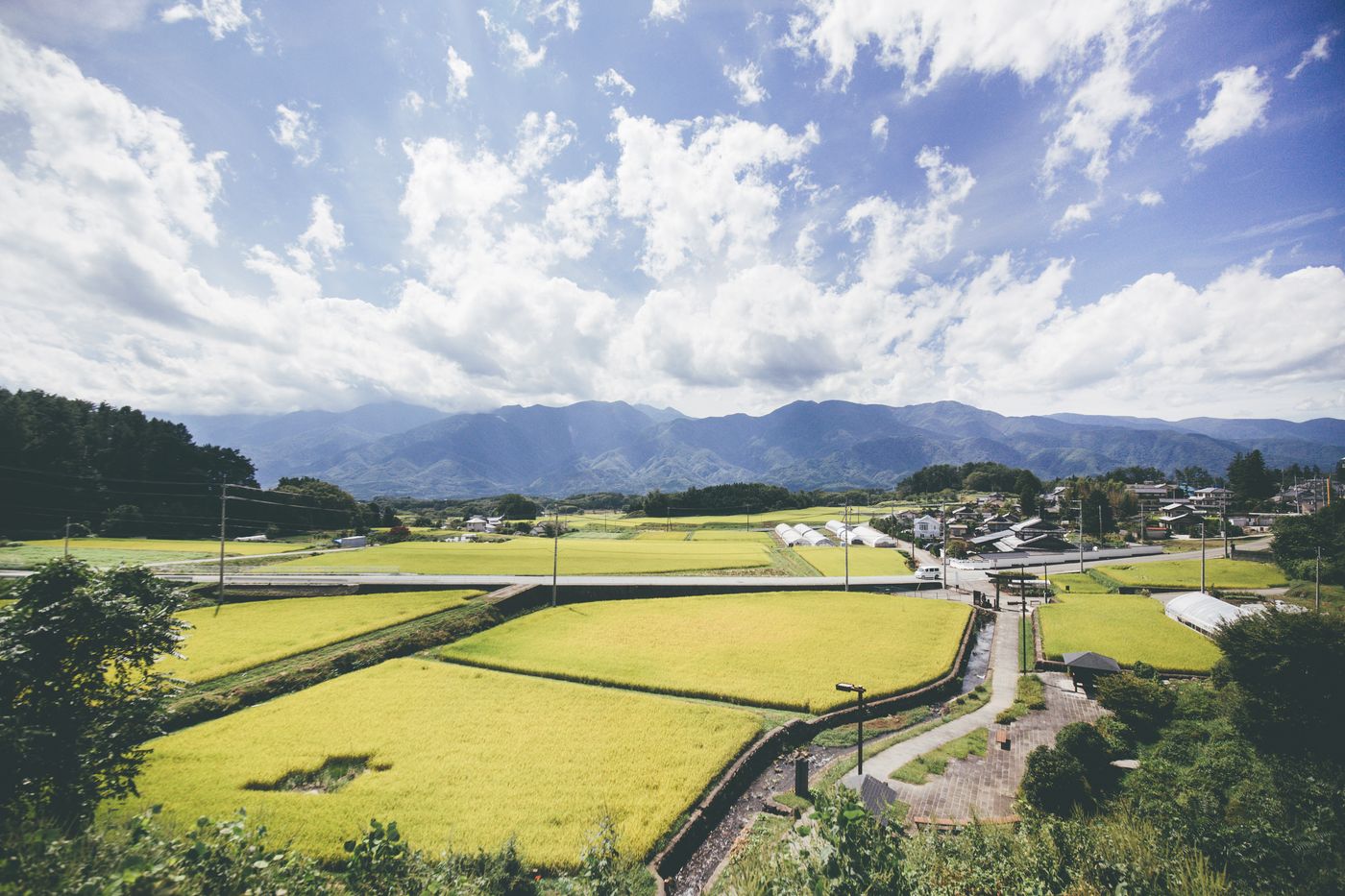
Most international visitors know Hakuba (白馬) as one of Japan's finest ski resorts — the venue for the 1998 Nagano Winter Olympics alpine events. The ski season reputation is deserved and well-documented. What is less well-known outside Japan is that Hakuba in summer — from late June through September — transforms into one of the finest alpine hiking destinations in Asia: a valley surrounded by peaks above 2,800 meters, with lift and gondola access to high-altitude trailheads, extraordinary alpine flower meadows, and mountain huts (山小屋 / yamagoya) that support multi-day traverse routes through the Northern Japan Alps.
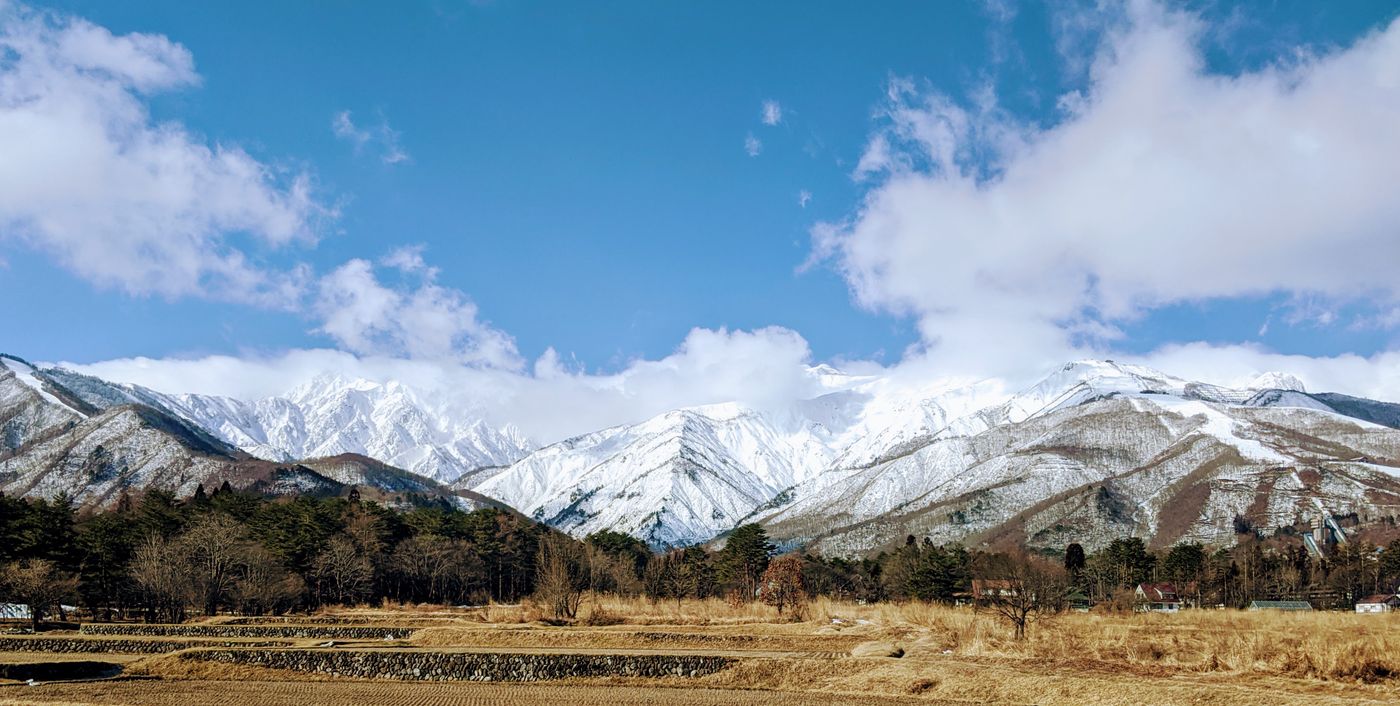
The fundamental asset is geographical: the Hakuba mountain range (白馬連峰) — including Shiroumadake (白馬岳 / 2,932m), Karamatsu-dake (唐松岳 / 2,696m), and the connected ridges of the KitaAlps — is among the most accessible high alpine terrain in Japan. Lifts and gondolas from the valley floor deposit hikers at approximately 1,700 meters elevation within 15 minutes of Hakuba station, reducing the approach time that limits alpine access in other mountain areas.
The Alpine Flower Season (高山植物の季節)
Hakuba's summer hiking is distinguished by the density and variety of alpine flowers (高山植物 / kōzan shokubutsu) that bloom across the high-altitude meadows from late June through August. The specific combination of the Northern Alps' geology (limestone and volcanic rock mixed), precipitation pattern (heavy snowfall creating late snowmelt and extended moisture), and elevation range produces conditions where approximately 70 species of alpine flowers bloom in sequence through the summer.
Peak flower timing:
- Late June to mid-July: Snowmelt species — Hakusan-ichige windflowers (ハクサンイチゲ) and chinguruma (チングルマ) carpeting the ground as it emerges from the snow
- Mid-July to mid-August: Peak diversity — komakusa (コマクサ, the “queen of alpine flowers”), Nikko day lilies (ニッコウキスゲ), cotton grass (ワタスゲ) on the wetlands — and Happo-One’s own endemic edelweiss, the Happo-usuyukiso (ハッポウウスユキソウ)
- Late August to September: Late-season species as the first hints of autumn approach
Happo-One (八方尾根): The Flower Ridge
Happo-One — the ridge above the main Hakuba ski resort, accessible by gondola and two consecutive chair lifts (total ascent approximately 1,800m) — is the most accessible and most spectacular alpine flower area in the Hakuba valley. From the top lift terminal at approximately 1,830 meters, a ridge trail leads through meadows of extraordinary flower density toward the higher peaks.
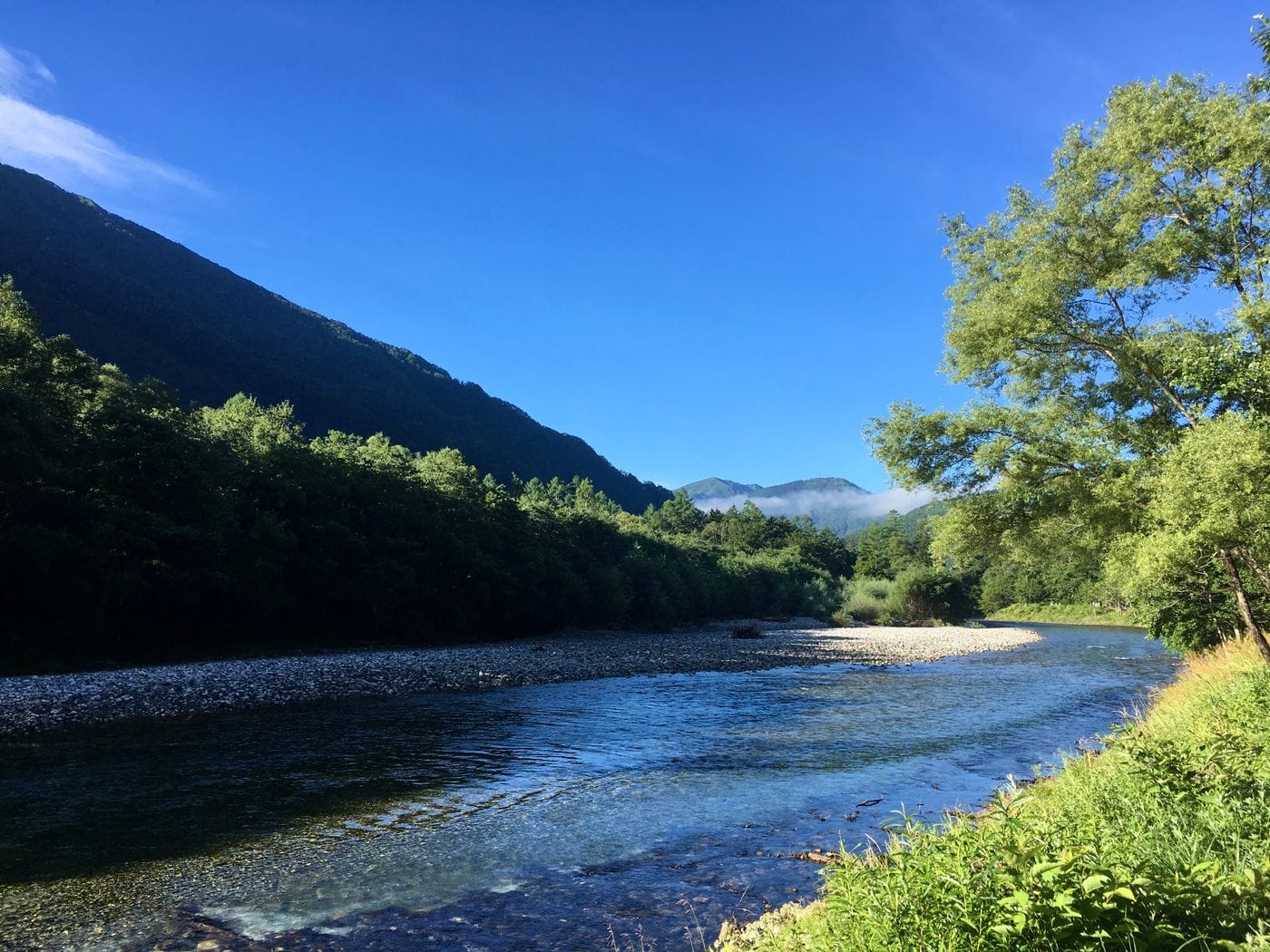
The specific character of Happo-One's flower display: the limestone rock formations of the Happo-ike Pond (八方池) area — a crater lake at approximately 2,060 meters — create a calcium-rich substrate that supports species diversity unusual even by Northern Alps standards. The combination of the reflective pond, the surrounding flower meadows, and the Hakuba mountain range beyond creates the most photographed summer landscape in the Hakuba area.
Multi-Day Hiking: The Shirouma Traverse
For more committed hikers, the Shirouma traverse — ascending Shiroumadake (2,932m) via the famous Daisekkei (大雪渓 / Great Snow Gorge) and traversing the ridge south to Karamatsu-dake (2,696m) — is one of the finest multi-day alpine routes in Japan.
The Daisekkei (大雪渓): A permanent snowfield of approximately 500 meters width and 3.2 km length on the north face of Shiroumadake — the longest snowfield accessible on foot in Japan. The route ascends directly up the snow gorge, crampons (available for rental at the base) required for safe passage. The physical experience of climbing several hundred meters of steep snow in summer — the cold radiating from the snowfield, the crevasse edges visible at the margins, the summit ridge above — is one of the most viscerally alpine experiences available in Japan without technical equipment.
Mountain huts: The Shiroumadake summit area supports a network of mountain huts — including Shiroumasanso (白馬山荘), the largest mountain hut in Japan (accommodating approximately 1,200 people) — that provide accommodation, meals, and weather information for traverse hikers. Reservations are essential for the August peak season (often weeks in advance for summer weekends).
Happo-One Summer Activities
Beyond flower hiking, Hakuba's gondola infrastructure supports several summer activities:
Mountain biking: The gondola lifts bicycles to the upper stations, allowing descent on dedicated mountain bike trails — one of Japan's most developed lift-accessed mountain bike networks.
Paragliding: The valley's topography and consistent summer thermal conditions support commercial paragliding operations — tandem flights over the valley (from the Happo-One area with a certified instructor) provide the most complete aerial view of the Northern Alps landscape.
The Hakuba Alpine Museum (白馬村郷土資料館): A small but well-curated museum covering the natural history and human use of the Hakuba alpine environment, with excellent botanical display covering the alpine flower species visible on the surrounding mountains.
Recommended Base Hotels
Hakuba Valley Hotel (Mid-range / from ¥18,000): Valley-floor position with mountain views, convenient for all activity access.
Evergreen Outdoor Centre (Budget / from ¥8,000): Active tourism-focused accommodation with outdoor activity booking.
Hoshinoya Kai Alps (Luxury / from ¥50,000 per person): The Hoshino Resort property in Hakuba — the finest accommodation in the valley.
Planning where to stay in Chubu? Browse our honest hotel picks and area guides.
🏨 Planning where to stay?
Every area guide on this site pairs with honest, station-by-station hotel picks. Start here: Kumamoto Hotel Guides →