This article may contain affiliate links. If you book through them, we may earn a small commission at no extra cost to you.
On this page
The Fuji of the West, Without the Queue
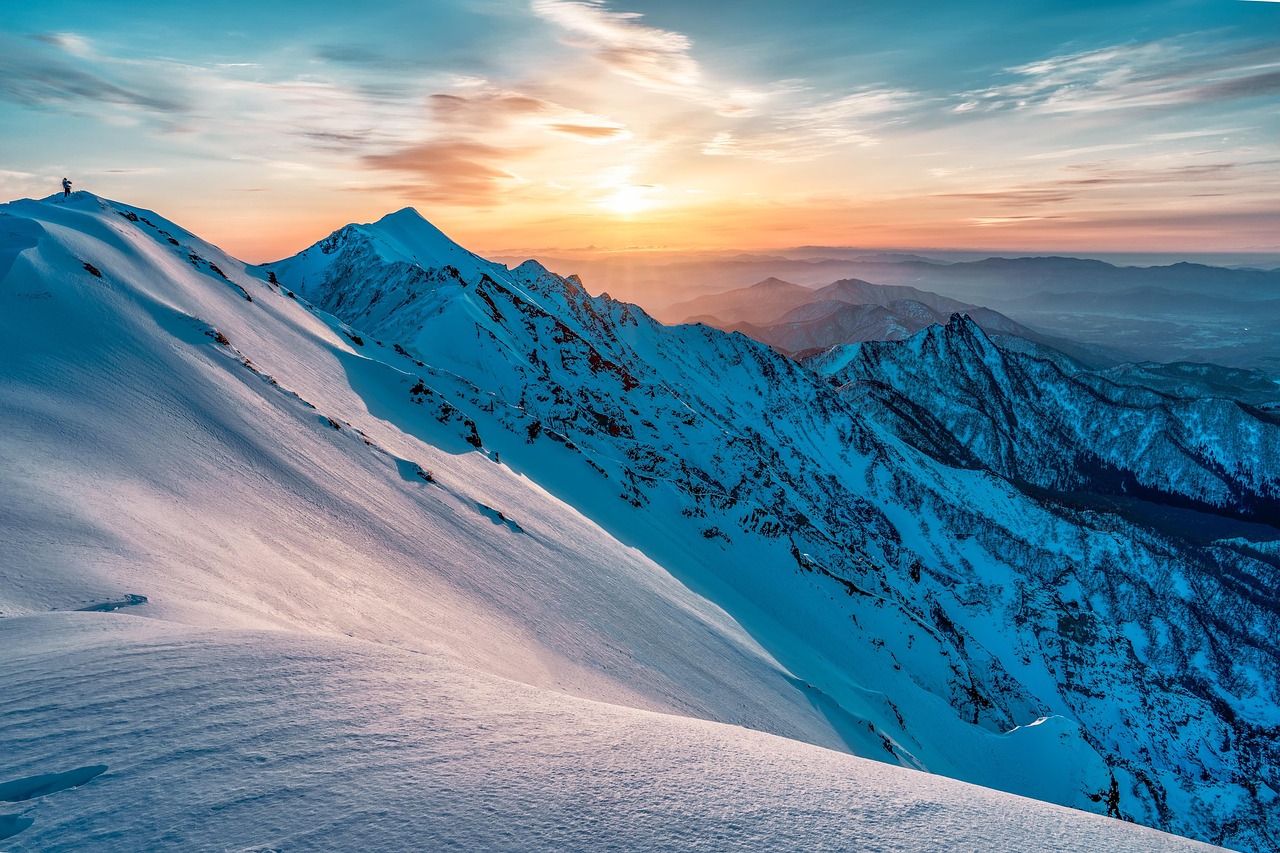
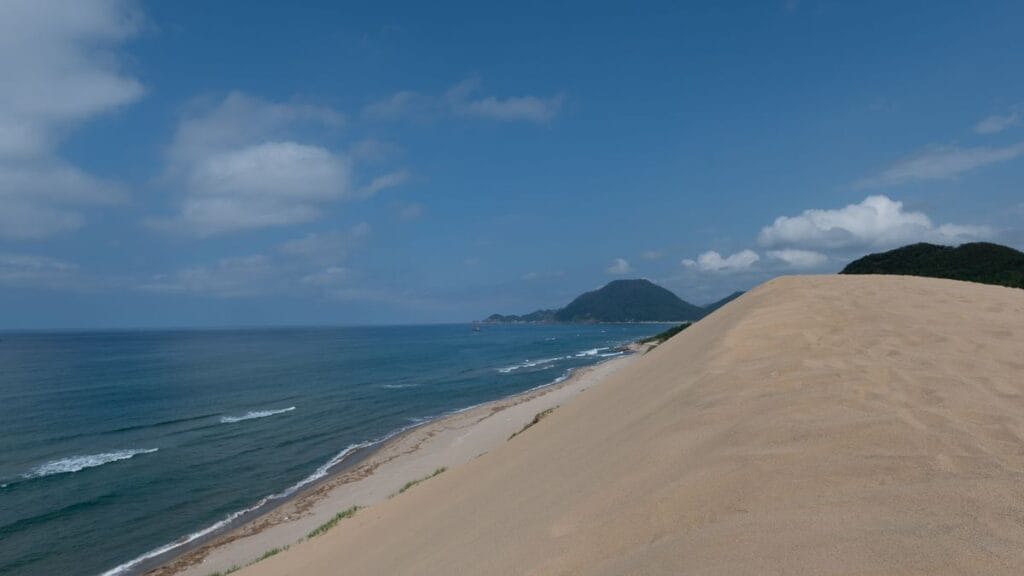
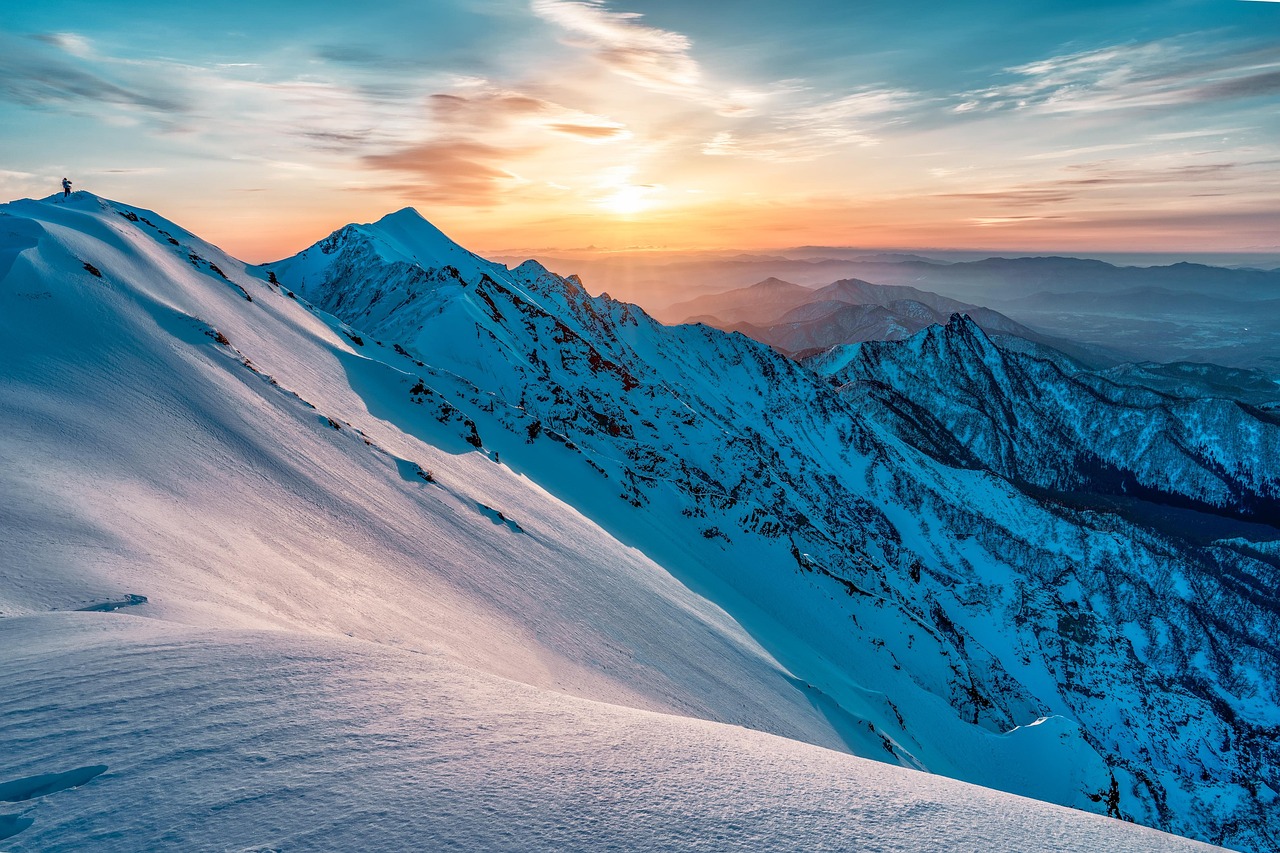
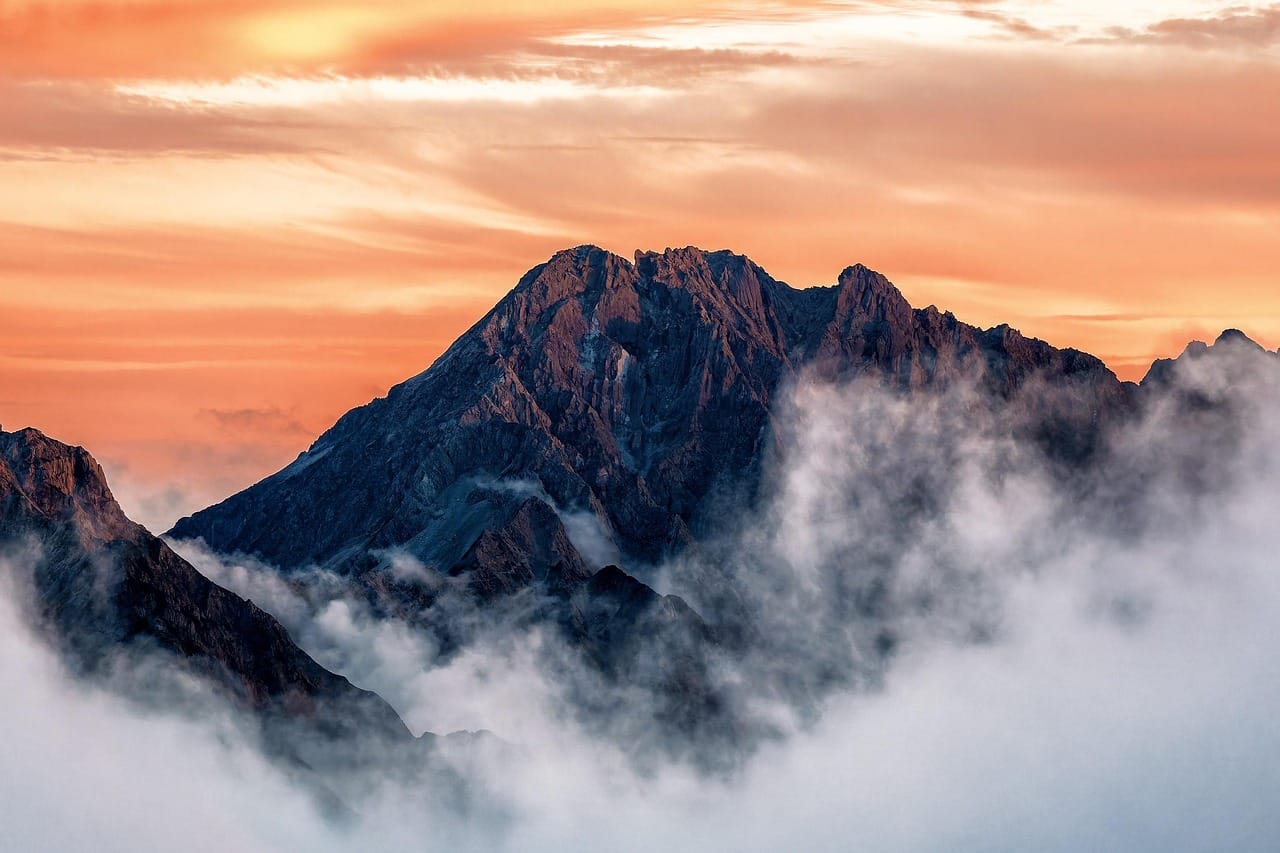
Daisen rises 1,729 meters straight off the Sea of Japan coast — an old volcano whose western profile is so conical that the region has called it “Hoki Fuji” for centuries. It was a mountain forbidden to the public for a thousand years as sacred ground; today it is western Japan’s finest single-day climb, a beech-forest kingdom, and the improbable center of Tottori’s dairy culture. Foreign hikers, statistically, have not noticed.
The Mountain
The summit trail
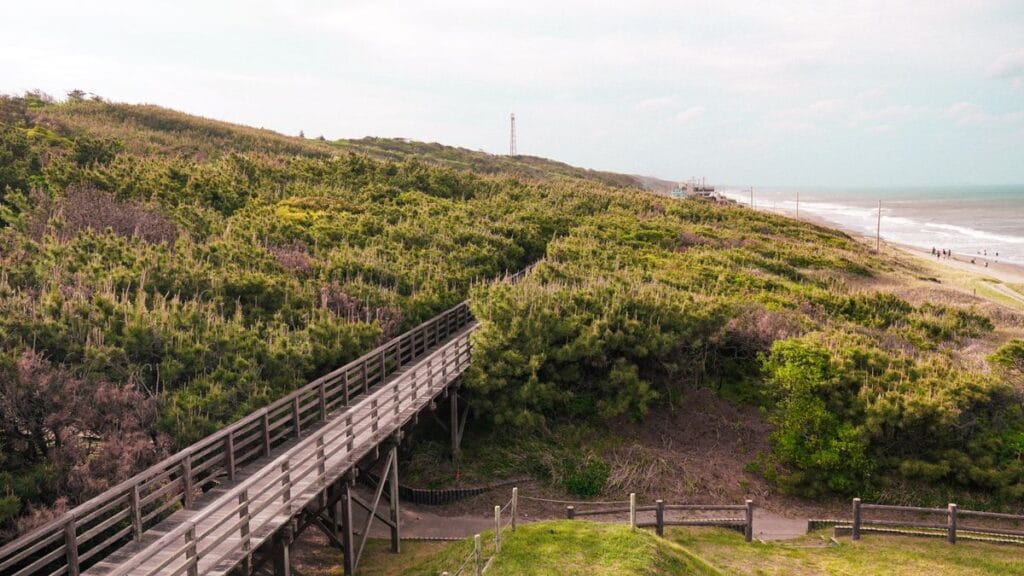
The standard route from Daisen-ji temple climbs through western Japan’s largest beech forest to the Misen summit ridge — about 5–6 hours round trip, boardwalked at the top to protect the alpine ecosystem, with the sea filling half the view. In October the beech canopy turns gold in one of western Japan’s great foliage displays; in winter the mountain becomes the San’in region’s snow resort.
The sacred slope
Below the trailhead, Daisen-ji temple and the mossy stone approach to Ogamiyama Shrine’s inner sanctuary — the longest natural-stone paved approach in Japan — preserve the mountain-worship era. Early summer’s Doryosai torch festival sends thousands of flames down this path in a river of fire.
The Milk Part (Really)
Daisen’s pastures underpin a serious local dairy pride: the co-op’s “Shiroi Bara” (White Rose) milk is Tottori’s childhood in a carton, and the Daisen Makiba Milk-no-Sato farm park serves a soft-serve that locals will detour an hour for, eaten facing the peak. It is the correct post-hike ritual.
Crab Season Changes Everything
From November to March, the fishing ports below — above all Sakaiminato and Karo near Tottori city — land matsuba-gani, the region’s prized snow crab. Market canteens serve it boiled, grilled, and raw at prices that embarrass city restaurants, and winter travel in Tottori quietly reorganizes itself around this fact. A Daisen snow morning plus a crab market lunch is the prefecture’s perfect cold-season day.
Practical Notes
- Access: bus from Yonago Station to Daisen-ji (about 50 minutes); Yonago is on the San’in main line with air links to Tokyo
- Climb season: roughly May–October for non-alpinists; check conditions in shoulder months
- Stay: pilgrim lodgings (shukubo) survive around Daisen-ji — an atmospheric alternative to Yonago hotels
- Stars: the Daisen foothills are prime “Star-Taking Prefecture” viewing — clear nights here are genuinely dark
Daisen offers the Fuji silhouette without the Fuji crowds, then hands you soft-serve and snow crab at the bottom. Western Japan keeps this one quiet on purpose.
🏨 Planning where to stay?
Every area guide on this site pairs with honest, station-by-station hotel picks. Start here: Mie Hotel Guides →