This article may contain affiliate links. If you book through them, we may earn a small commission at no extra cost to you.
On this page
Introduction: The Japan That Cities Don't Show You
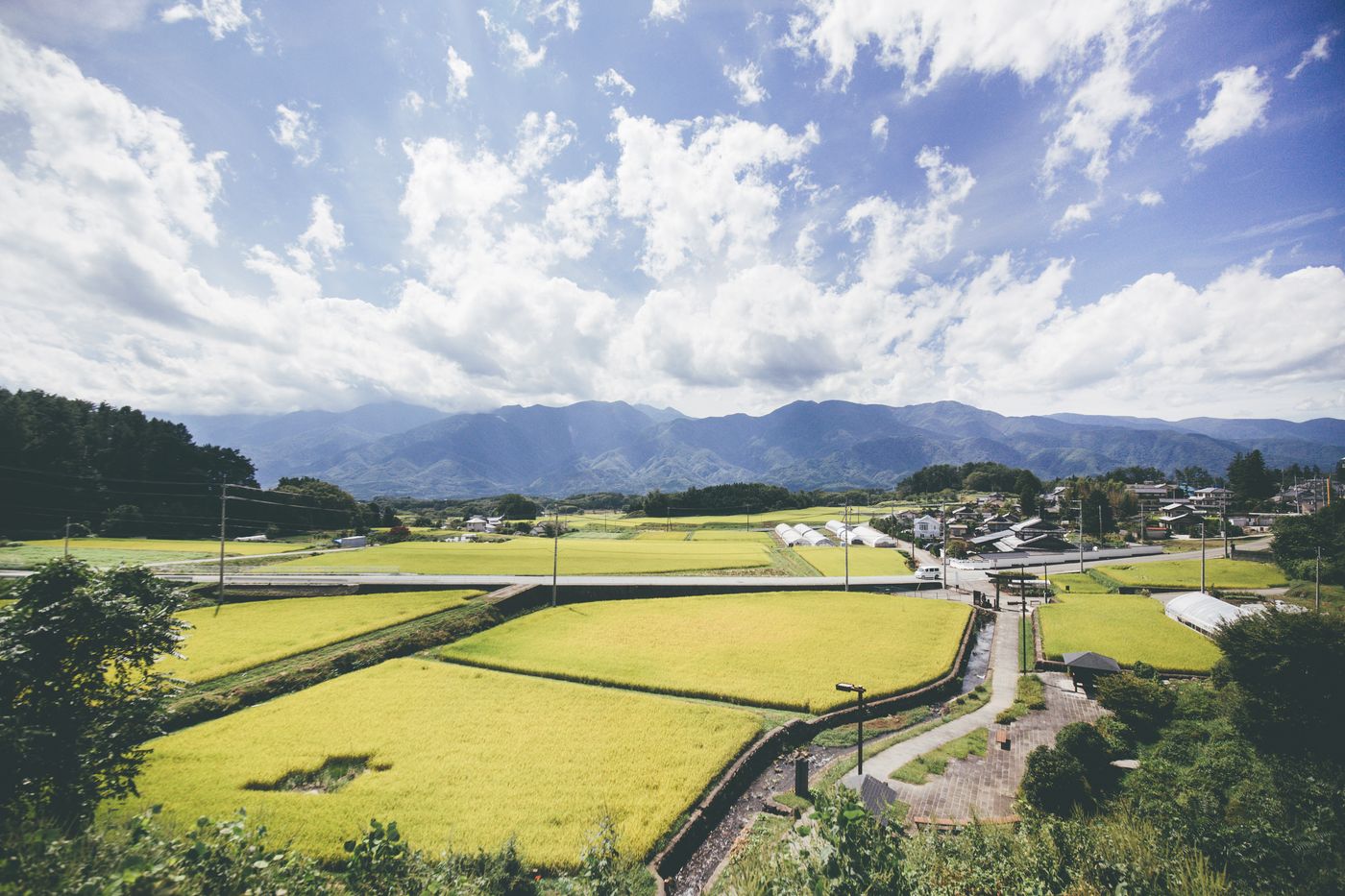
Japan's cities are extraordinary. But Japan's rural areas — the satoyama (里山) landscape of rice paddies, mountain villages, traditional farmhouses, and the agricultural seasons that have structured Japanese life for millennia — are equally extraordinary and almost entirely inaccessible through standard tourism.
Nouhaku (農泊 / farm stay) — agricultural tourism lodging that places guests within working farming households or rural guesthouses — is Japan's most direct access to this rural world. The experience ranges from staying in a restored thatched farmhouse in the mountains while the host family manages their rice paddy, to working alongside a fishing family on a small island, to staying in a converted farmhouse in the Japanese Alps while learning traditional craft techniques.
What Nouhaku Actually Means
The term nouhaku (農泊) literally means "agricultural overnight" — but in practice it covers a range of rural hospitality experiences:
Farmhouse stays (農家民宿): Staying with an active farming family in their home — meals using produce from the farm, conversation about agricultural life, and observation of or participation in the farming activities depending on season and host preference.
Minshuku (民宿): Small, family-run guesthouses (not necessarily on working farms) in rural areas — the Japanese equivalent of a bed and breakfast. Meals are provided (typically the family's home cooking using local ingredients), rooms are simple (often tatami), and the experience is of genuine residential hospitality rather than commercial accommodation.
Restored farmhouse rentals: Properties like Chiiori in Iya Valley (see dedicated Iya Valley article) where a restored traditional farmhouse is available for self-catering rental — the rural experience without the social interaction of homestay.
Best Nouhaku Regions
Satoyama Landscape: Niigata
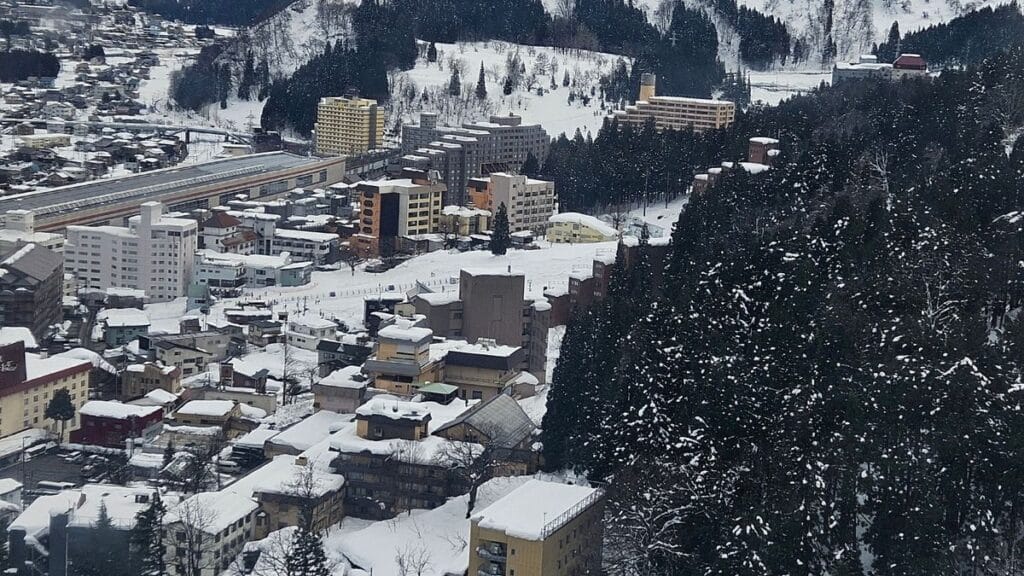
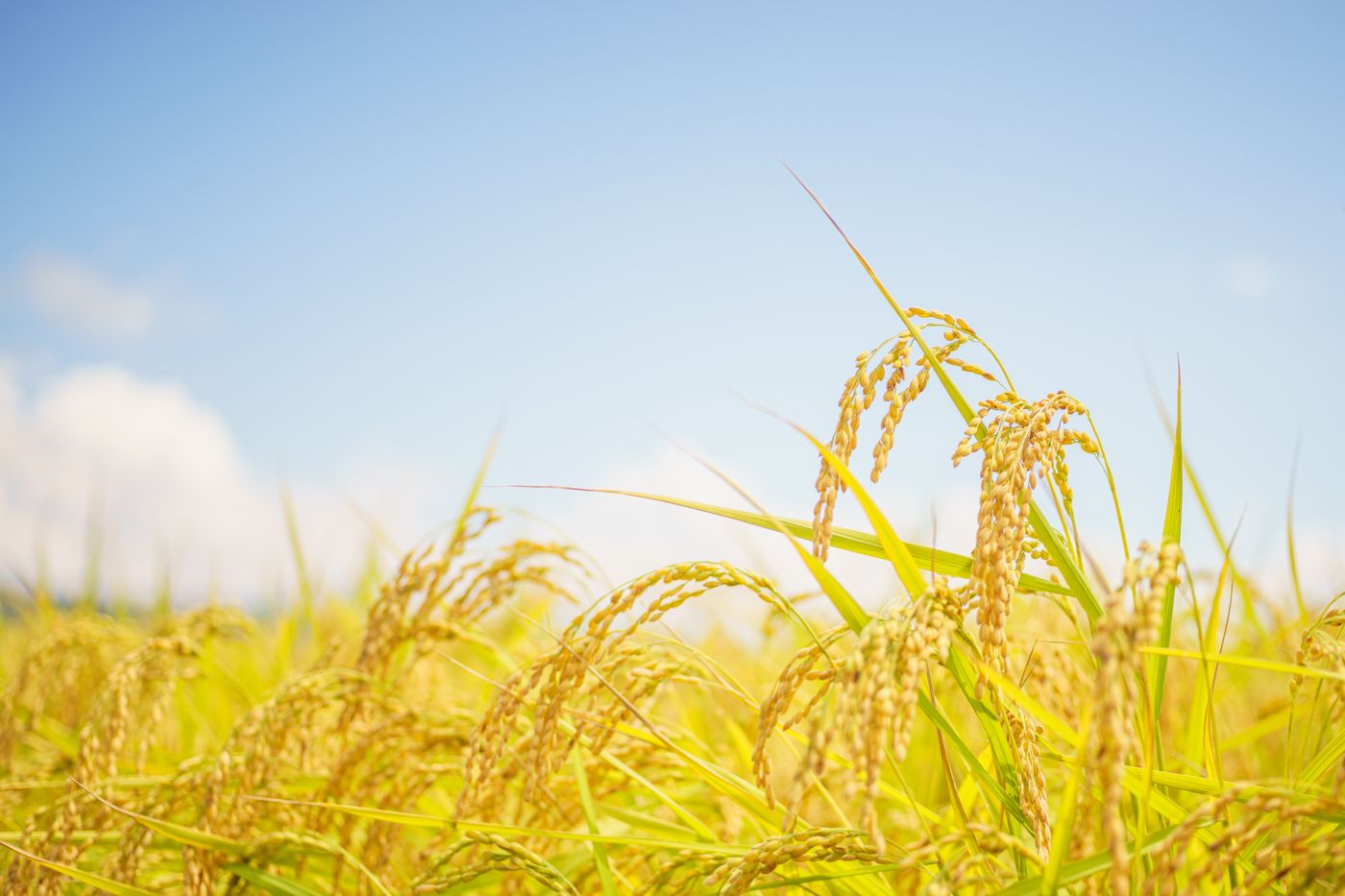
Niigata Prefecture — the rice-growing heartland of Japan's central Sea of Japan coast — offers nouhaku experiences in the Uonuma (魚沼) region, source of Japan's most prized Koshihikari rice. Staying with a rice farmer during the harvest season (September–October), participating in rice harvesting and the post-harvest festivals, and eating rice that was growing in the field outside the window that morning — this is the most direct available connection to the agricultural foundation of Japanese food culture.
Mountain Village: Nagano Alps Foothills
The villages of the Matsumoto basin foothills — particularly the Azumino (安曇野) area — have developed nouhaku programs oriented around the highland agriculture of western Nagano: wasabi cultivation (Azumino is Japan's wasabi capital), mountain vegetable gathering (山菜 / sansai), and the traditional craft of the mountain villages.
Remote Island: Nagasaki Prefecture Islands
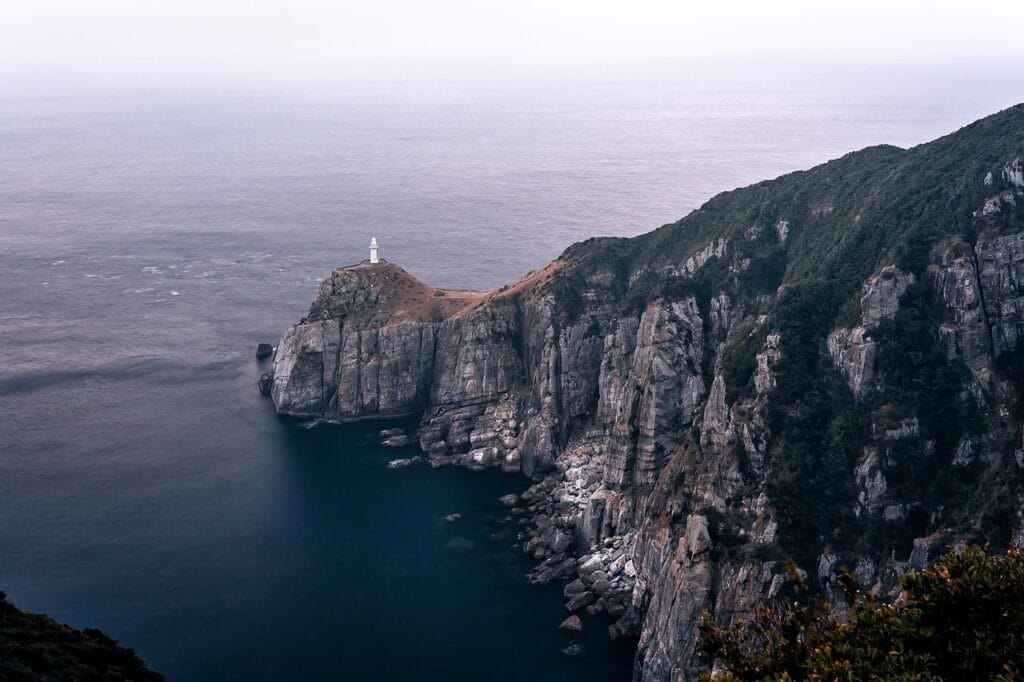
The smaller islands of the Nagasaki coast — Goto Islands (五島列島), Hirado (平戸) — offer fishing community nouhaku experiences: going out with fishing boats in the early morning, returning with the catch, and eating what was just caught while understanding the economic and ecological reality of Japan's coastal fishing communities.
Shirakawa-go (Within the Farmhouses)
As described in the Shirakawa-go article — staying in an actual gassho-zukuri farmhouse within the UNESCO village combines historical architecture with genuine rural hospitality.
How to Book Nouhaku
STAYJAPAN (ステイジャパン): Japan's most comprehensive rural accommodation booking platform with English interface — the primary booking tool for nouhaku experiences.
JALAN Rural (じゃらん農泊): The rural section of Japan's largest domestic travel booking platform — primarily Japanese language but navigable with translation tools.
Direct contact: The most authentic experiences are often arranged directly with farming households — prefectural tourism offices (Niigata Tourism, Nagano Tourism, etc.) maintain lists of registered nouhaku providers with contact information.