This article may contain affiliate links. If you book through them, we may earn a small commission at no extra cost to you.
On this page
Introduction: The Season of Snow Monkeys and Empty Temples
Winter in Japan — December through February — is the country's most underrated travel season for international visitors, despite being a peak domestic travel period around the New Year holiday. The combination of significantly reduced foreign tourist volume (outside the ski resort areas), clear winter air providing exceptional visibility for views and photography, the cultural intensity of the New Year period, and Japan's extraordinary snow culture (from Hokkaido's powder skiing to the snow monkeys of Nagano to the illuminated winter cityscapes) makes winter a season that rewards deliberate planning.
Understanding Japan's Winter Climate Diversity
Japan's winter climate varies dramatically by region — a critical planning consideration:
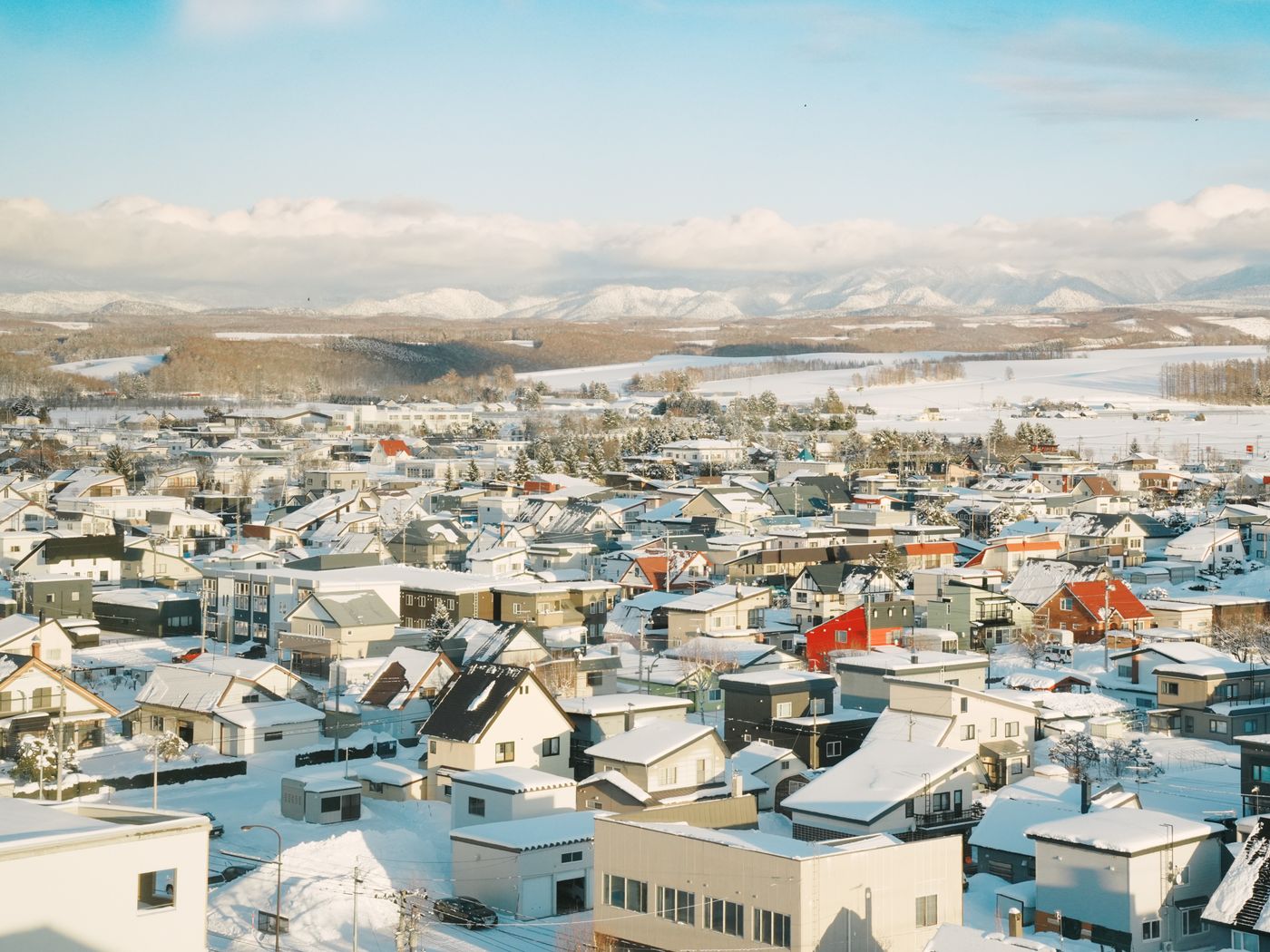
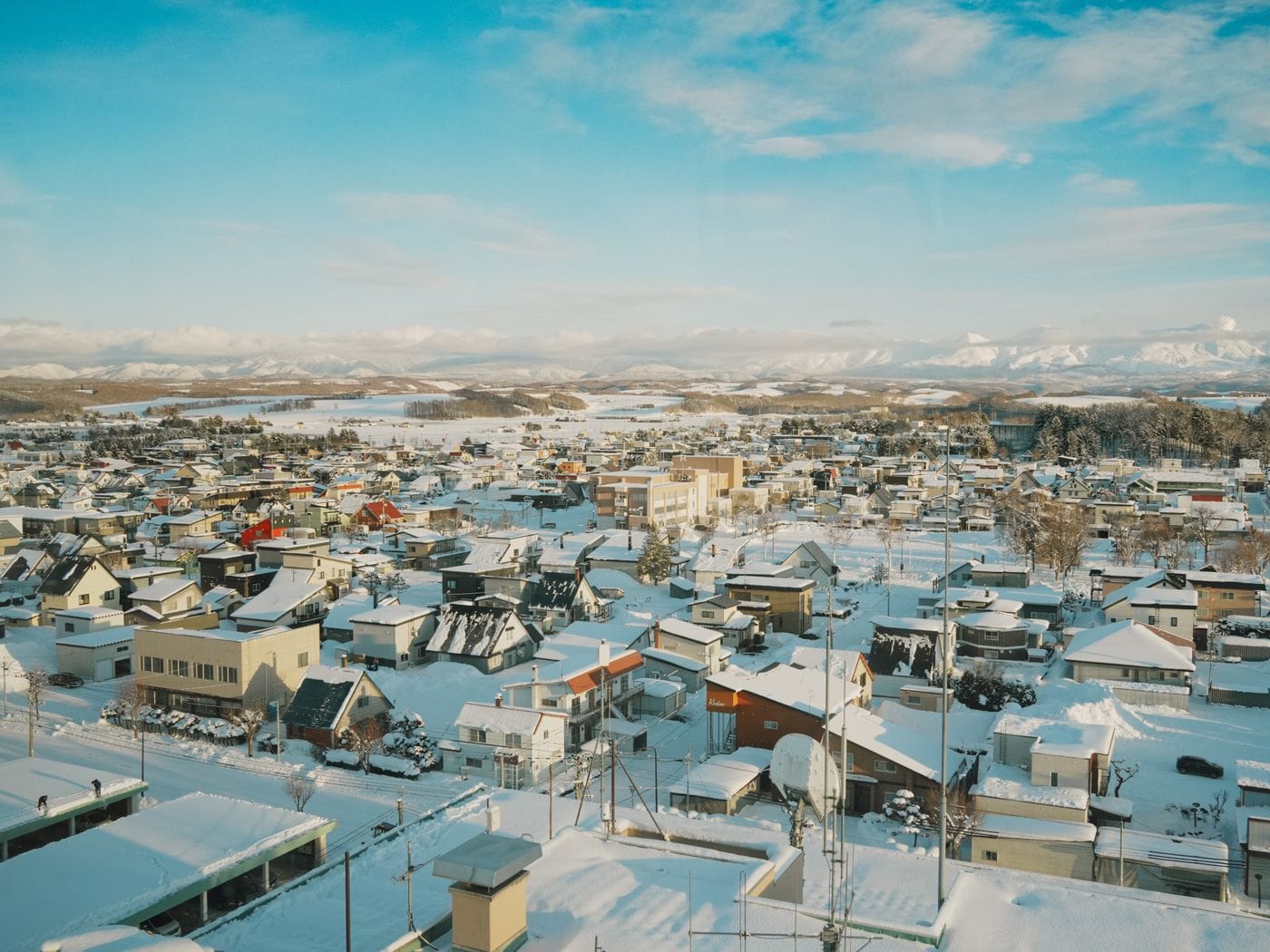
The Sea of Japan side (Hokkaido, northern Honshu's western coast, Hokuriku): Heavy, consistent snowfall from Siberian weather systems crossing the Sea of Japan — this is Japan's powder snow ski country (Niseko, Hakuba's higher elevations, the Tohoku ski resorts).
The Pacific side (Tokyo, Kyoto, Osaka, most of the country's major cities): Generally dry, clear, cold winters with minimal snowfall — the mountain ranges running through central Japan block the Sea of Japan moisture, leaving the Pacific coast in a rain shadow.
- Okinawa: Mild winter temperatures (15–20°C) — Japan's winter sun destination.
What to Do in Winter
Snow Monkeys: Jigokudani
As mentioned in the Nagano article — Jigokudani Monkey Park in Nagano Prefecture is at its most internationally famous during winter, when the resident Japanese macaque population bathes in the park's natural hot springs while snow falls around them. Peak winter (January–February) provides the most reliable snow-covered backdrop for this experience.
Skiing and Snowboarding
Niseko (Hokkaido): Japan's most internationally developed ski resort — exceptional powder snow, extensive international infrastructure, significant Australian and international visitor community.
Hakuba and Nozawa Onsen (Nagano): Covered in dedicated articles — excellent powder, combined with genuine onsen culture.
Winter Illuminations
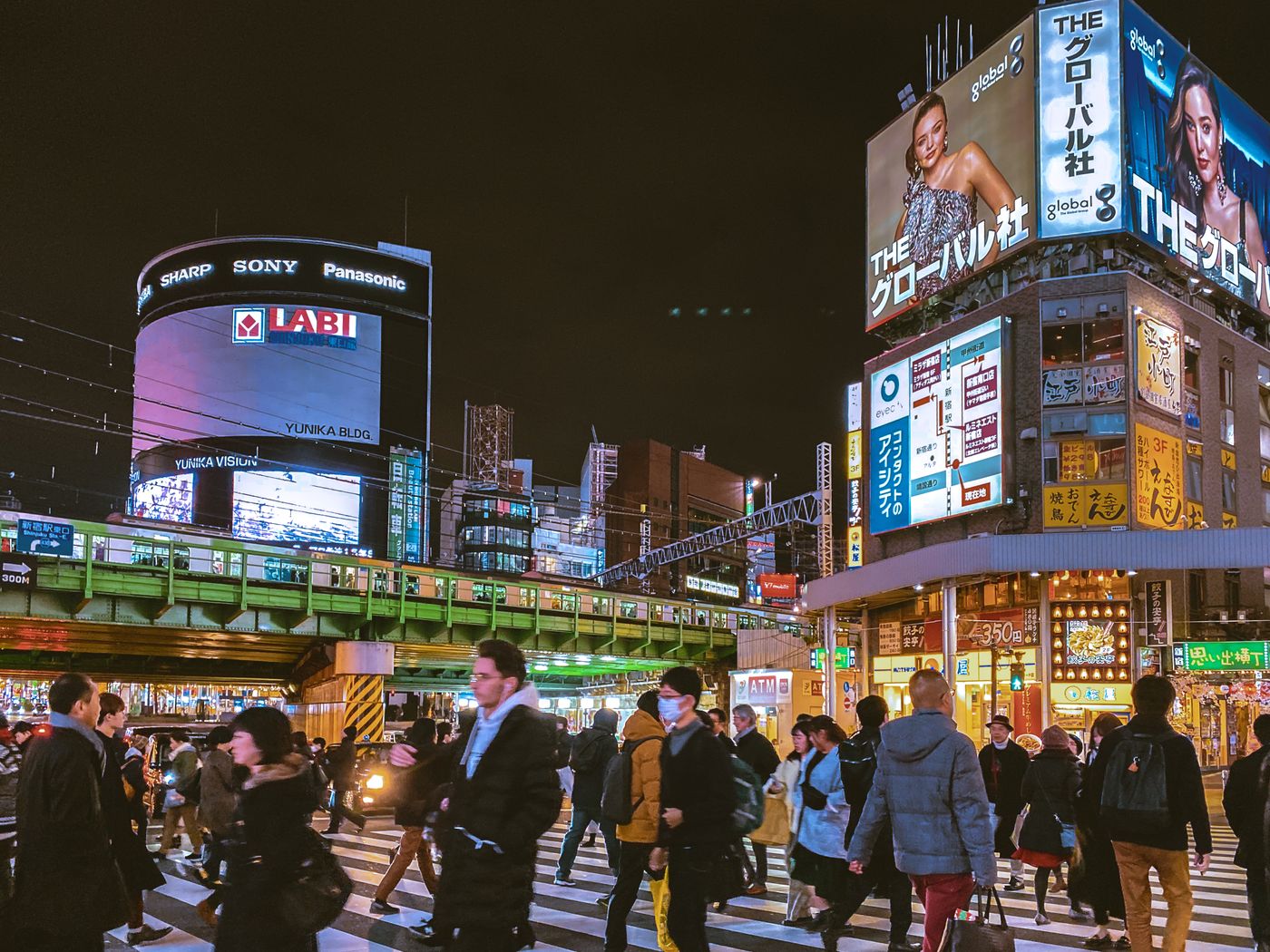
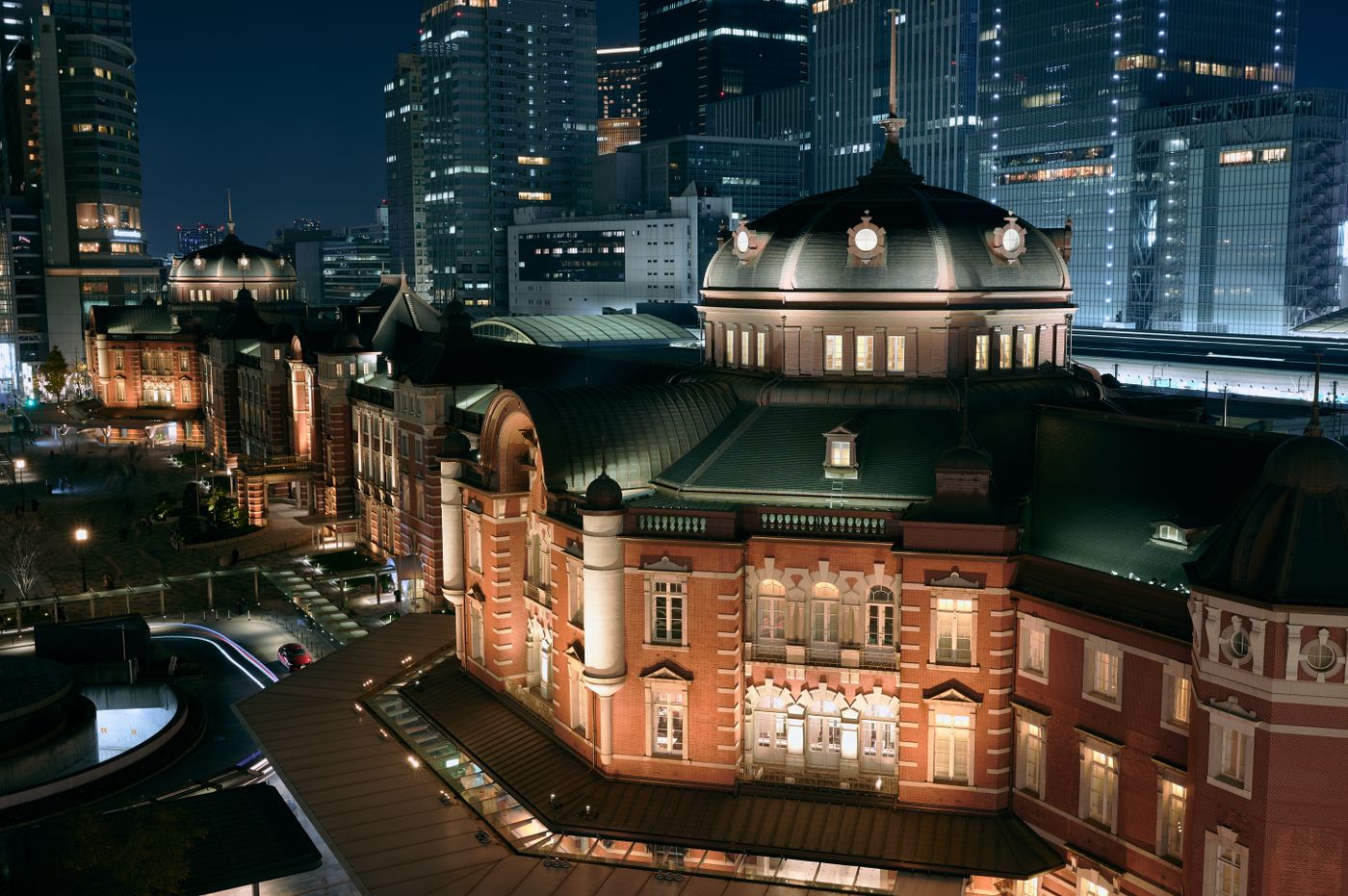
As detailed in the dedicated illuminations article — Tokyo and Yokohama's winter light displays are among the most elaborate seasonal urban decorations in the world.
Onsen Season
Winter is widely considered the optimal season for onsen bathing — the contrast between the cold air and hot spring water is at its most dramatically pleasurable, and the visual of snow falling onto an outdoor rotenburo bath (particularly at locations like Ginzan Onsen, Zao Onsen, or Nyuto Onsen) is among Japan's most photographed winter images.
Clear-Air Photography
Winter's low humidity and clear skies provide Japan's best photographic conditions for distant mountain views — Mount Fuji visibility from Tokyo is significantly higher in winter than in any other season, and views from observation decks throughout the country reach maximum distance and clarity.
Crab Season
Japan's winter crab season (covered in the Kanazawa and other regional articles) — November through March — represents the country's most celebrated seafood harvest, with snow crab and king crab available at peak quality throughout this period.
The New Year Period: A Special Case
The New Year holiday period (年末年始 / nenmatsu-nenshi) — covered in the dedicated article — is simultaneously one of Japan's most culturally significant travel periods and one of its most logistically challenging for visitors, as most Japanese businesses close for several days and domestic travel demand peaks dramatically.
Practical Winter Travel Notes
Heating: Traditional Japanese buildings (including many older ryokan and machiya) are not centrally heated in the manner of Western buildings — kotatsu (heated low tables) and individual room heaters are the standard, and visitors should expect cooler ambient temperatures in traditional accommodation than Western hotel standards.
Daylight hours: Winter daylight in Japan is notably short — sunset around 4:30 PM in December in Tokyo, even earlier further north — requiring adjustment to sightseeing schedules.
Crowds: Outside the New Year period and the ski resort areas, winter is Japan's lowest tourist season — major sites that are crowded in spring and autumn are significantly more accessible.
🏨 Planning where to stay?
Every area guide on this site pairs with honest, station-by-station hotel picks. Start here: Hotel Guides by Station →