This article may contain affiliate links. If you book through them, we may earn a small commission at no extra cost to you.
On this page
Introduction: The Roof of Hokkaido
Daisetsuzan National Park (大雪山国立公園) — established in 1934 and covering 226,764 hectares of central Hokkaido — is Japan's largest national park, a high mountain wilderness of volcanic peaks, subalpine meadows, deep gorges, and hot spring valleys that constitutes the most significant natural landscape in the country north of the Japan Alps.
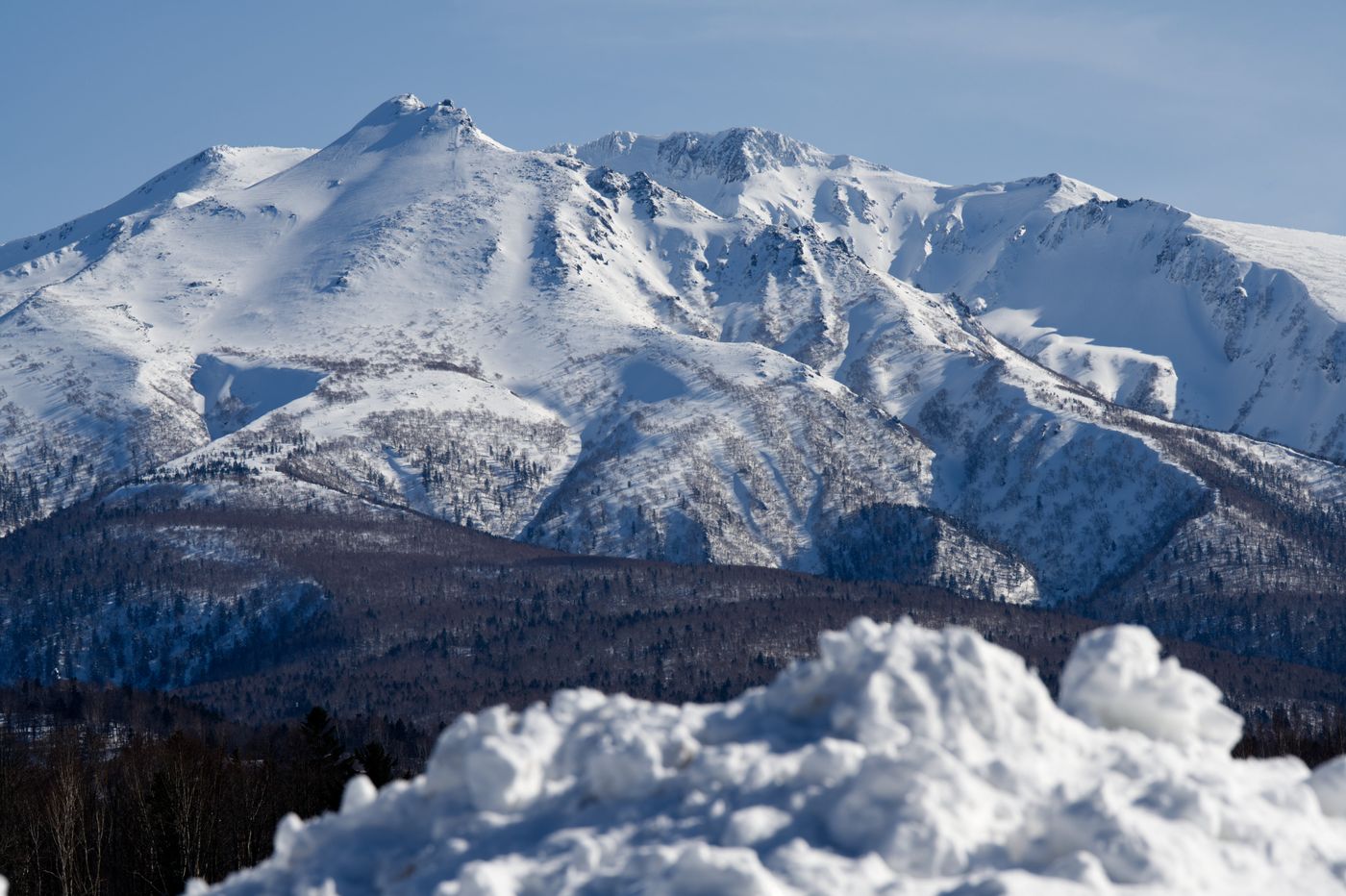
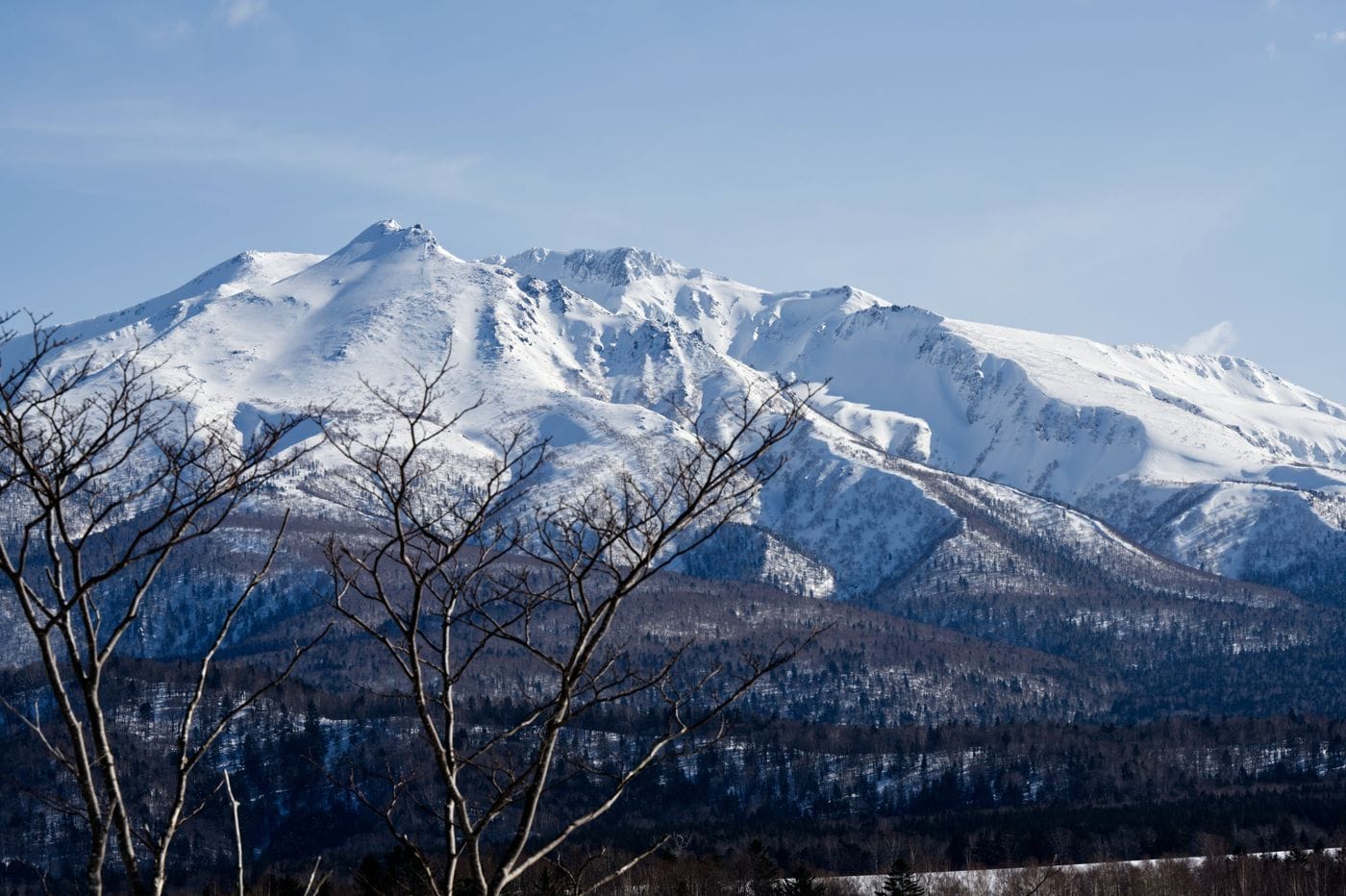
The park's defining characteristic is scale. The Daisetsuzan massif — "the Great Snow Mountains" — comprises over 20 peaks above 2,000 meters, including Asahi-dake (旭岳 / 2,291m), Hokkaido's highest peak, and the connected summit ridges that allow multi-day traverses through high alpine terrain with virtually no access to roads or facilities between the trailheads.
Daisetsuzan is also genuine wilderness in a sense rare in Japan. The park's interior is home to Hokkaido Brown Bears (ヒグマ / Higuma) — a subspecies of the brown bear (Ursus arctos) significantly larger than the Asian black bears of Honshu, capable of reaching 250 kg. Encounters with Higuma on the park's trails are not common but are not negligible, and the awareness of sharing the landscape with a genuinely large predator changes the quality of hiking in Daisetsuzan in ways that are simultaneously alarming and enriching.
Asahi-dake (旭岳): Hokkaido's Highest Mountain
Asahi-dake is the starting point for most Daisetsuzan visitors and the mountain that most directly represents the park's character. The peak is accessible by ropeway (ロープウェイ) from Asahi-dake Onsen to the upper station at 1,600 meters (approximately 10 minutes, ¥3,200 round trip), from which the summit (2,291m) is approximately 1.5 hours further on foot.
The Ropeway Approach
The upper ropeway station emerges into a landscape immediately different from anything below: the treeline ends abruptly, the ground is a mix of volcanic rock and pumice with patches of subalpine heath, and the summit of Asahi-dake is visible above — a dramatically shaped volcanic cone emitting steam from multiple fumaroles along its upper ridge.
The fumaroles (噴気孔): The smoking volcanic vents on Asahi-dake's upper slopes are one of the mountain's most distinctive visual elements — columns of steam rising from the bare volcanic rock create a landscape that simultaneously resembles an active volcanic zone and the caldera of a dormant one. The sulfur deposits around the vents color the surrounding rock yellow and orange.
The Summit Experience
The trail from the upper ropeway station to the summit is not technical — it requires no climbing equipment or special skills — but it crosses loose volcanic rock, snow patches that persist into July on some aspects, and a summit environment where temperature drops and wind speeds can be severe even in midsummer. Warm layers and rain gear are essential regardless of the weather at the base.
From the summit, on clear days, the view extends across the entire Daisetsuzan massif — the connected ridge lines stretching south toward Tokachi-dake, the distant peaks of the Tokachi range to the south, and the coast of Hokkaido occasionally visible on exceptional days.
Asahi-dake First Autumn Color (紅葉)
Asahi-dake holds a distinction unique in Japan: the first autumn color (日本一早い紅葉) is consistently recorded here, typically in late September — weeks before the mainland's autumn foliage season begins. The combination of the high altitude and Hokkaido's latitude creates the earliest autumn conditions in the country, and the colors — crimson dwarf birch, orange and yellow alpine grasses, the remaining green of the conifers — against the volcanic grey of the summit rocks and the often-overcast September sky create an atmosphere of extraordinary melancholy and beauty.
The Grand Traverse: Multi-Day Alpine Hiking
The Daisetsuzan Grand Traverse (大雪山縦走) — a multi-day route connecting Asahi-dake in the north with Tokachi-dake (十勝岳) in the south via the high-altitude ridge system — is considered one of Japan's finest long-distance alpine hikes. The full traverse covers approximately 40 km at altitudes between 1,700 and 2,291 meters, typically taking 3–4 days with overnight stays at mountain huts (山小屋 / sanso).
Mountain huts on the traverse: The traverse route has several manned huts providing dormitory accommodation and basic meals — reservations are essential in July and August. Carrying camping gear is an alternative but the high alpine environment makes tent camping challenging.
Sounkyo Gorge (層雲峡): The Canyon at the Park's Edge
Sounkyo Gorge — in the northern section of Daisetsuzan National Park — is a 24 km gorge carved by the Ishikari River through columnar basalt formations. The Ryusei-no-Taki (流星の滝) and Ginga-no-Taki (銀河の滝) waterfalls — descending 90 and 130 meters respectively from the canyon walls — are the gorge's most dramatic features.
Sounkyo Onsen (層雲峡温泉): The small onsen town within the gorge serves as the eastern gateway to the park. The canyon walls create a microclimate that produces dramatic seasonal changes: in spring (May–June), waterfalls of snowmelt cascade continuously from every crack in the basalt; in winter (January–February), the Sounkyo Ice Waterfall Festival (層雲峡氷瀑まつり) freezes the gorge's water features into elaborate ice formations.
Brown Bears (ヒグマ / Higuma): Living with Hokkaido's Apex Predator
The Hokkaido Brown Bear is Japan's largest land predator and a genuine presence throughout Daisetsuzan. Unlike the bear situation in most of Honshu (where the smaller Asian black bear is present but rarely seen), Daisetsuzan's brown bears are:
Larger: Adult males reach 150–250 kg
More numerous: Population estimated at 3,000+ across Hokkaido
More active: Brown bears are diurnal (active by day) as well as crepuscular
More confident: Less habituated to avoid humans in the park's interior
Bear precautions for Daisetsuzan hikers:
Bear bells (熊鈴): Attach to your pack or clothing to make continuous noise. Available at outdoor shops in Asahikawa and at the ropeway base.
Bear spray: Highly effective deterrent in close encounters. Available at outdoor shops; check transport regulations regarding carrying spray on trains.
Group hiking: Solo hiking in Daisetsuzan's interior is not recommended. Groups of four or more are considered safer.
Dawn/dusk avoidance: Brown bears are most active around dawn and dusk — plan to be at huts or descending at these times.
- Food storage: Never leave food accessible; use bear-resistant containers when camping.
Recommended Base Hotels
Asahi-dake Onsen Hotel Bearmonte (Mid-range / from ¥18,000 per person): On-site outdoor onsen, immediate ropeway access, the best Asahi-dake base.
- Sounkyo Onsen Taisetsu Hotel (Mid-range / from ¥15,000 per person): Large onsen facility with gorge views.
- Mountain Huts on the traverse route: Reservation essential for July–August.
Planning where to stay in Hokkaido? Browse our honest hotel picks and area guides.
🏨 Planning where to stay?
Every area guide on this site pairs with honest, station-by-station hotel picks. Start here: Mie Hotel Guides →