This article may contain affiliate links. If you book through them, we may earn a small commission at no extra cost to you.
Kyoto Guide · Kurama & Kibune
Kurama & Kibune: Ancient Mountains,
Hot Springs & River Dining 30 Min from Kyoto
Eizan Railway · Kurama-dera Temple · 3km Mountain Trail · Kawadoko Platform Dining
🚃 Eizan Railway — “Momiji Tunnel” in November
⛩️ Kurama-dera — founded 770 CE
♨️ Kurama Onsen — cedar forest outdoor bath
🍽️ Kibune kawadoko — May–Sept river platform dining
Mountains North of Kyoto
Thirty minutes north of central Kyoto by train, the Kurama and Kibune (鞍馬・貴船) valleys offer a mountain experience completely unlike the flat central city. A network of ancient trails connects a celebrated temple, a hot spring bath, and a riverside dining village through forested mountains considered sacred since before Kyoto itself was founded. The classic route — ascending from Kurama Station, crossing the mountain to Kibune, descending to the riverside village — takes 3–4 hours and combines natural beauty, cultural sites, and the possibility of seasonal river platform dining in sufficient variety for a complete day.
Access: Eizan Railway from Demachiyanagi Station (the Keihan line terminus; from the Karasuma subway, walk ~15 minutes from Imadegawa Station) to Kurama Station · ~30 minutes · Best seasons: Autumn (October–November) and Spring (April–May)
🚃 The Eizan Railway — Autumn Momiji Tunnel
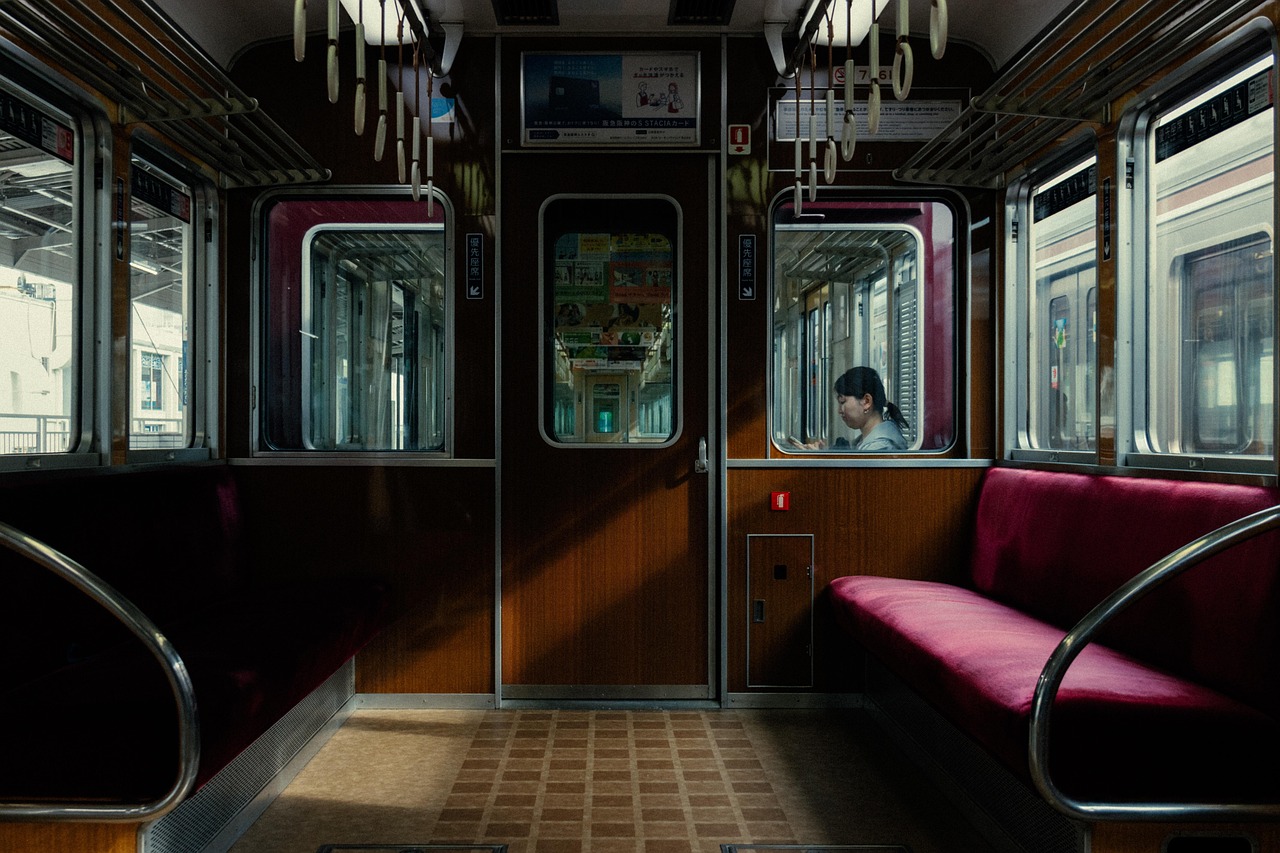
The single-car Eizan Railway’s gradually narrowing valley through the northern Kyoto hills is itself an atmospheric introduction to the mountain world ahead. In November, the “Momiji Tunnel” (もみじのトンネル) section — track completely enclosed by maple trees — is illuminated on Friday and Saturday evenings: riding through a corridor of red and orange light is extraordinary. No reservation is needed — it runs as a regular service (the panoramic “Kirara” car is first-come, first-served), typically mid-November to early December.
⛩️ Kurama-dera (鞍馬寺): The Temple on the Sacred Mountain
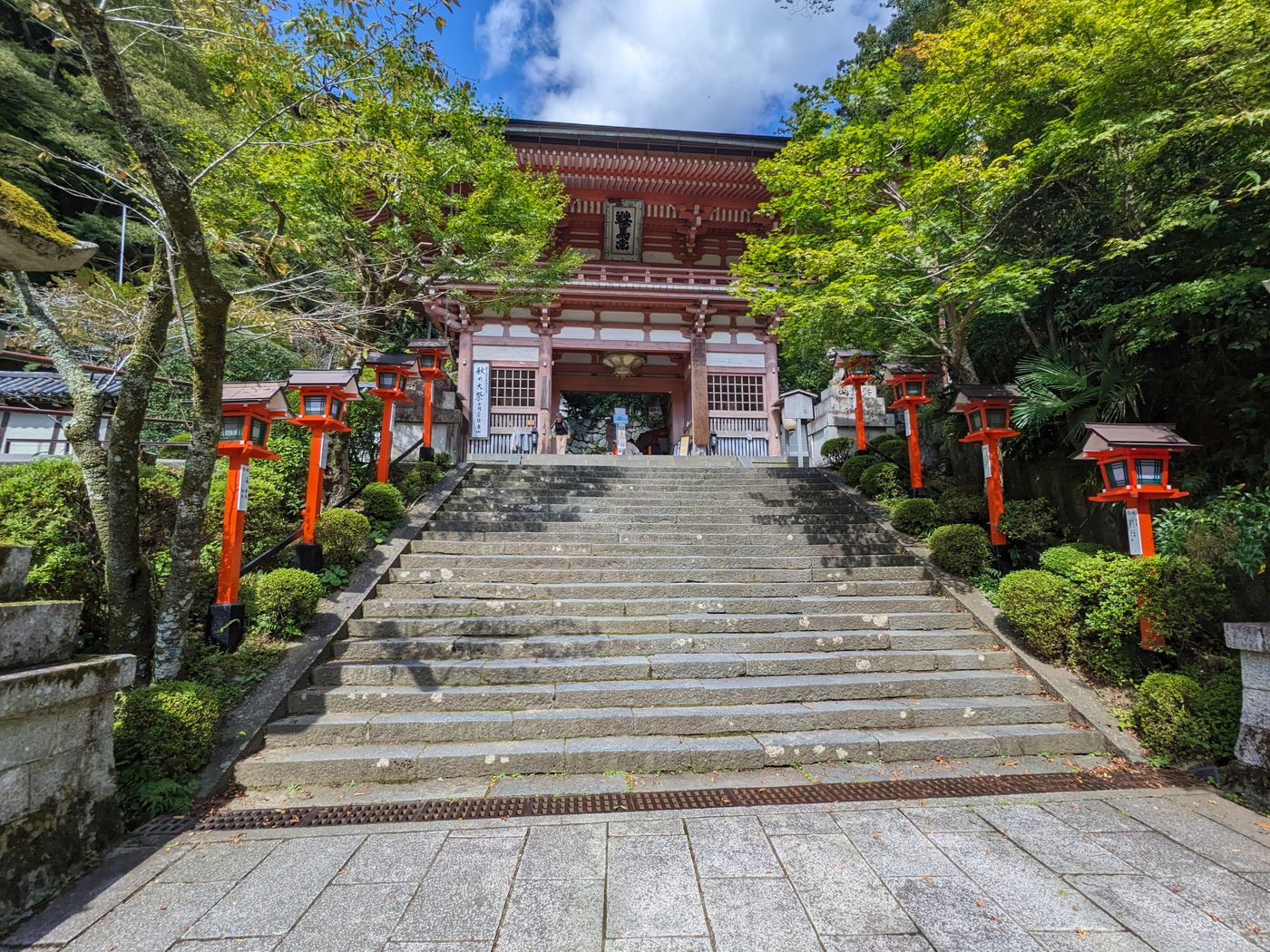
Founded in 770 CE on the sacred mountain of Kurama-yama. The mountain is considered in Japanese esoteric tradition to be where the cosmic deity Sonten (尊天) descended to earth — a belief system predating both Buddhism and Shinto. Approach via cable car or a 30-minute stone-staired climb through cedar forest. The Okunoin (奥の院) inner sanctuary has an atmosphere of genuine ancient sanctity: dark cedar, stone lanterns, incense, complete absence of the outside world.
🥾 The Trail: Kurama → Kibune (~3km · 1.5–2.5 hrs)
The trail descends through forest, crossing the mountain ridge at ~500m before descending steeply to the river valley below. At the ridge, views through the cedar canopy toward the Kyoto basin provide the clearest sense of the mountain’s height and remoteness. The descent to Kibune arrives at the Kibune River with a sudden dramatic transition from mountain forest to the sound of running water.
♨️ Kurama Onsen — reopened November 2024
Near Kurama Station: outdoor baths surrounded by cedar forest with views of the mountain slopes. The bathhouse reopened in November 2024 after a long closure — older guides calling it closed are out of date; check day-use hours and prices on the official site. (Status checked July 17, 2026.) Strategic timing: Many hikers visit the onsen after completing the Kibune descent and returning to Kurama — soaking in mountain hot spring water after a mountain hike is one of Japan’s most restorative experiences.
🍽️ Kibune Kawadoko Dining (May–September)
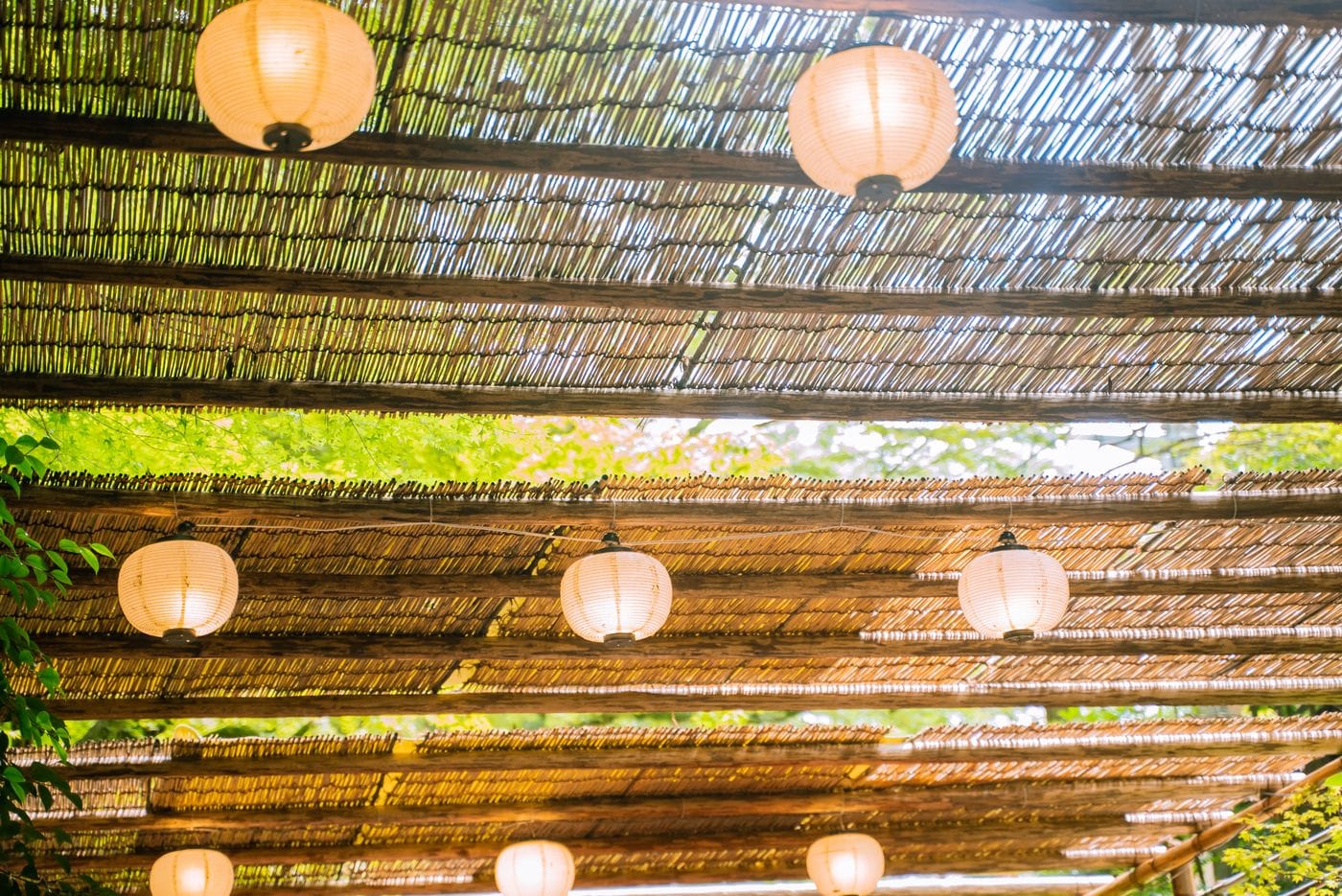
The village of Kibune (centered on Kibune Jinja, a shrine to the water deity) extends dining platforms (川床 / kawadoko) directly over the Kibune River from May through September. Eating on a platform above clear fast-flowing water, with the forest canopy above and river sound below, is one of Japan’s most celebrated seasonal dining experiences. Menus center on river fish, tofu, and kaiseki courses at ¥5,000–¥15,000 per person. Kibune Jinja’s stone staircase lined with stone lanterns is particularly atmospheric in winter when the lanterns are lit.
Hotels
Kibune Fujiya (Mid-Range / from approx. ¥20,000/person ~$133 USD) — the riverside inn where kawadoko dining was born. Kibune Ugenta (Luxury) — the ryokan of the family that historically led Kifune Shrine, with private riverside platforms and exceptional kaiseki. Prices approximate, per person with two meals; checked July 17, 2026.
Who Should Visit Kurama & Kibune
✔ Hikers wanting a mountain day near Kyoto
✔ Summer visitors (kawadoko river dining, May–Sept)
✔ November Eizan Railway Momiji Tunnel enthusiasts
✔ Onsen hikers wanting cedar forest outdoor bath
🏨 Planning where to stay?
Every area guide on this site pairs with honest, station-by-station hotel picks. Start here: Kyoto Hotel Guides →