This article may contain affiliate links. If you book through them, we may earn a small commission at no extra cost to you.
On this page
Introduction: The Educational System That Shapes Society
Japanese elementary, middle, and high school culture is so different from Western educational norms that visitors who spend time in Japan — or who have children enrolled in Japanese schools — consistently describe it as one of the most surprising aspects of the country. The differences are not merely procedural but reflect deeply embedded values about collective responsibility, personal discipline, the relationship between individual and group, and the purpose of education itself.
The Cleaning System (掃除 / Sōji)
The single element that most consistently surprises foreign visitors: in Japanese schools, students clean the building. Every day, at a designated cleaning time, students sweep, mop, scrub toilets, clean windows, and maintain the school building — professional cleaning staff are either absent or supplementary. This is not a punishment or a cost-saving measure but an intentional educational principle: the school belongs to the community that inhabits it, and caring for shared space is a responsibility of all members.
The practice is associated with the Buddhist and Confucian concept of sōji (掃除) — cleaning as spiritual practice — and produces practical results in the cleanliness standards of Japanese public buildings throughout the country.
The Lunch System (給食 / Kyūshoku)
Elementary school lunch in Japan is not a cafeteria where students choose from available options — it is a nutritionally designed meal delivered to classrooms and distributed by students in rotation (wearing white coats and hair covers) serving their classmates. No commercial food is available; all students eat the same meal; and the meal's nutritional content is managed by licensed school nutritionists.
The lunch distribution rotation means every student learns both to serve and to receive, and the communal eating in the classroom (rather than a cafeteria) creates a social intimacy that distinguishes the experience from Western school lunch culture.
The Club System (部活動 / Bukatsu)
Japanese middle and high school bukatsu — extracurricular club activities — are not optional enrichment but an expected, nearly mandatory aspect of student life. Virtually every Japanese student belongs to at least one club, which typically meets daily (including weekends), often under the direction of a teacher-coach who takes personal responsibility for the club's success.
The competitive intensity of bukatsu — particularly for sports clubs aiming for prefectural or national competition, and for cultural clubs like brass band or traditional arts — produces a level of student commitment (and teacher dedication) that is extraordinary by international standards. The Kōshien high school baseball tournament (held at Koshien Stadium, covered in the baseball article) is the most visible manifestation of this system's intensity.
The School Trip (修学旅行 / Shūgakuryokō)
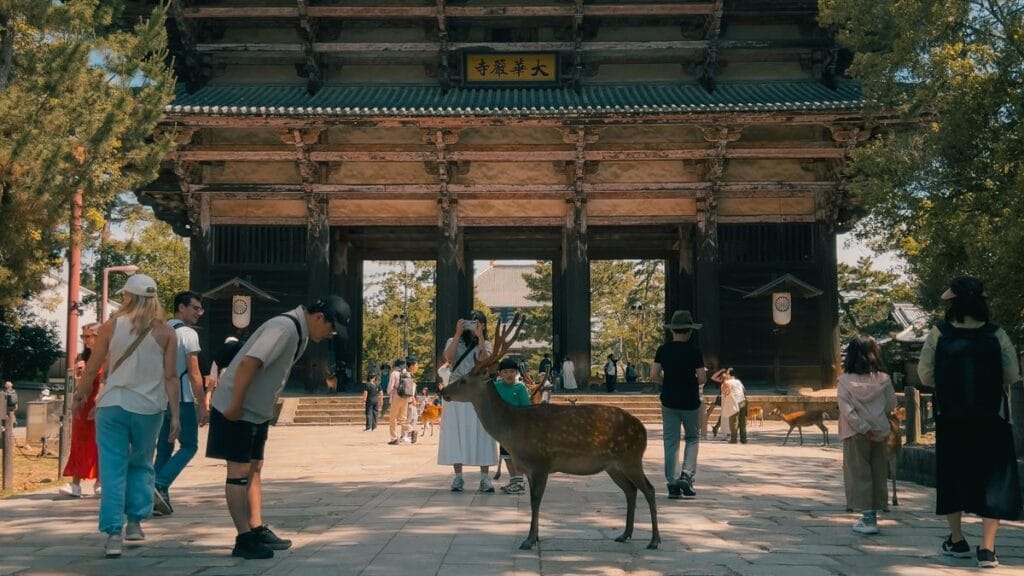
Japanese schools conduct multi-day school trips — typically 2–4 nights in a famous historical or natural destination — at both elementary and middle/high school levels. These trips function as educational experiences, social bonding opportunities, and rites of passage. The destinations are characteristic: elementary schools often visit rural agricultural areas; middle schools often go to Kyoto/Nara; high schools often go to Okinawa or Hokkaido.
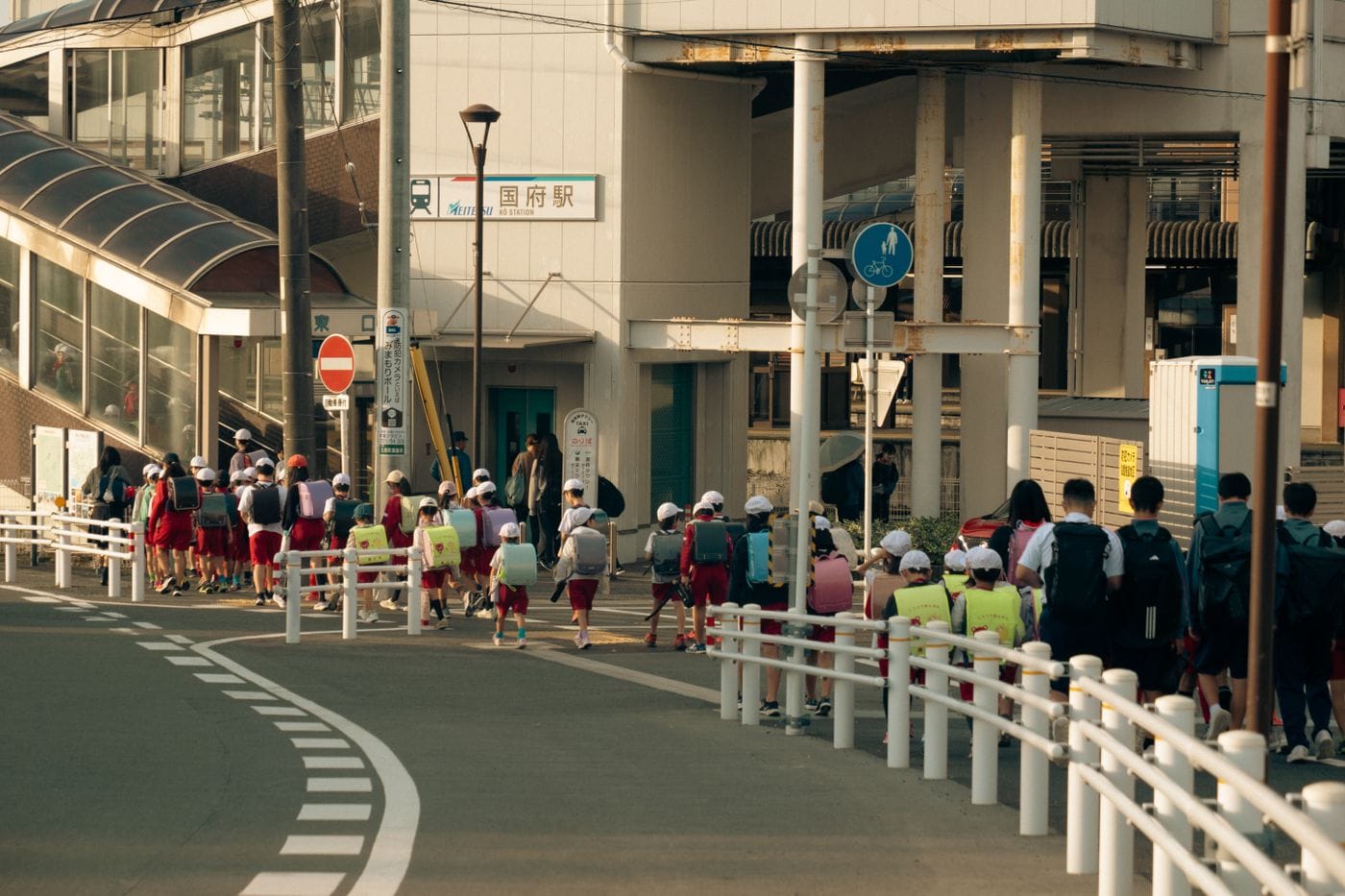
Encountering school groups: Visitors to Japan's major cultural sites will frequently encounter large groups of uniformed students — recognizing this as the shūgakuryokō system explains the coordinated groups, the students photographing each other at famous spots, and the slightly chaotic but enthusiastic energy of young people experiencing their famous destination for the first time.
The Uniform System
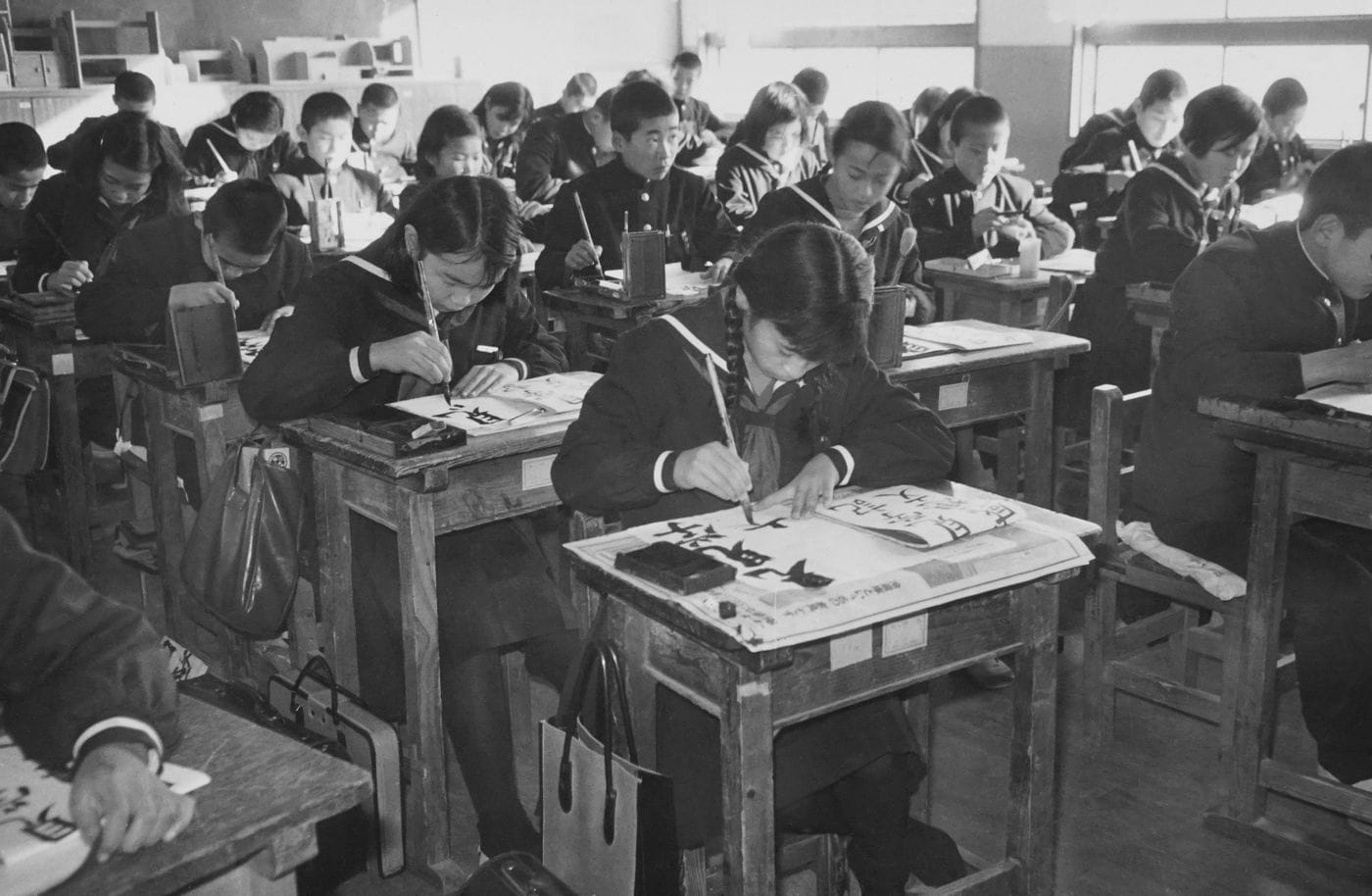
Japanese middle and high school uniforms are famous internationally, particularly the sailor-style school uniform (セーラー服 / sēra fuku) for girls and the gakuran (学ラン) — a military-influenced dark jacket with standing collar — for boys (though many schools have shifted toward blazer-style uniforms).
The uniform's social function is equalizing — the expectation that all students wear the same clothing minimizes visible expression of family economic differences in a context where social belonging is particularly valued. The practical result is that uniformed students are identifiable at train stations and tourist sites throughout Japan as a consistent visual element of the country's public landscape.
The Testing Culture
Japanese education is heavily oriented toward entrance examinations (入学試験 / nyūgaku shiken) — the high-stakes tests that determine admission to specific middle schools, high schools, and universities. The hierarchical prestige of universities (Tokyo University at the apex) creates a funnel of competitive pressure that concentrates most intensely in the final year of high school, producing a period of intense study known as jukensei (受験生 / exam student) culture.
Juku (塾 / cram schools): The supplementary tutoring school system that exists alongside regular school, attended by approximately 50–60% of elementary students and higher percentages at middle and high school levels, providing additional preparation for the entrance examinations that formal school education does not fully address.
🏨 Planning where to stay?
Every area guide on this site pairs with honest, station-by-station hotel picks. Start here: Hotel Guides by Station →