This article may contain affiliate links. If you book through them, we may earn a small commission at no extra cost to you.
Ghibli Real Locations · When Marnie Was There
When Marnie Was There:
The Marshland That Made the Film
Kushiro Marsh · Akkeshi Estuary · Hokkaido’s Silence & Red-Crowned Cranes
🦅 Red-crowned cranes — Japan’s rarest bird
🌿 Kushiro Marsh — Japan’s largest wetland
🦪 Akkeshi — year-round oyster capital of Japan
🚂 Kushiro Shitsugen Norokko — scenic marsh railway
The Loneliness of Open Water
Released in 2014, When Marnie Was There (Omoide no Marnie) follows 12-year-old Anna — withdrawn, isolated, convinced she exists at the margins of everyone else’s world — who is sent to a seaside rural town in Hokkaido to recover her health, and there encounters the ghost of a girl named Marnie in an old waterside mansion.
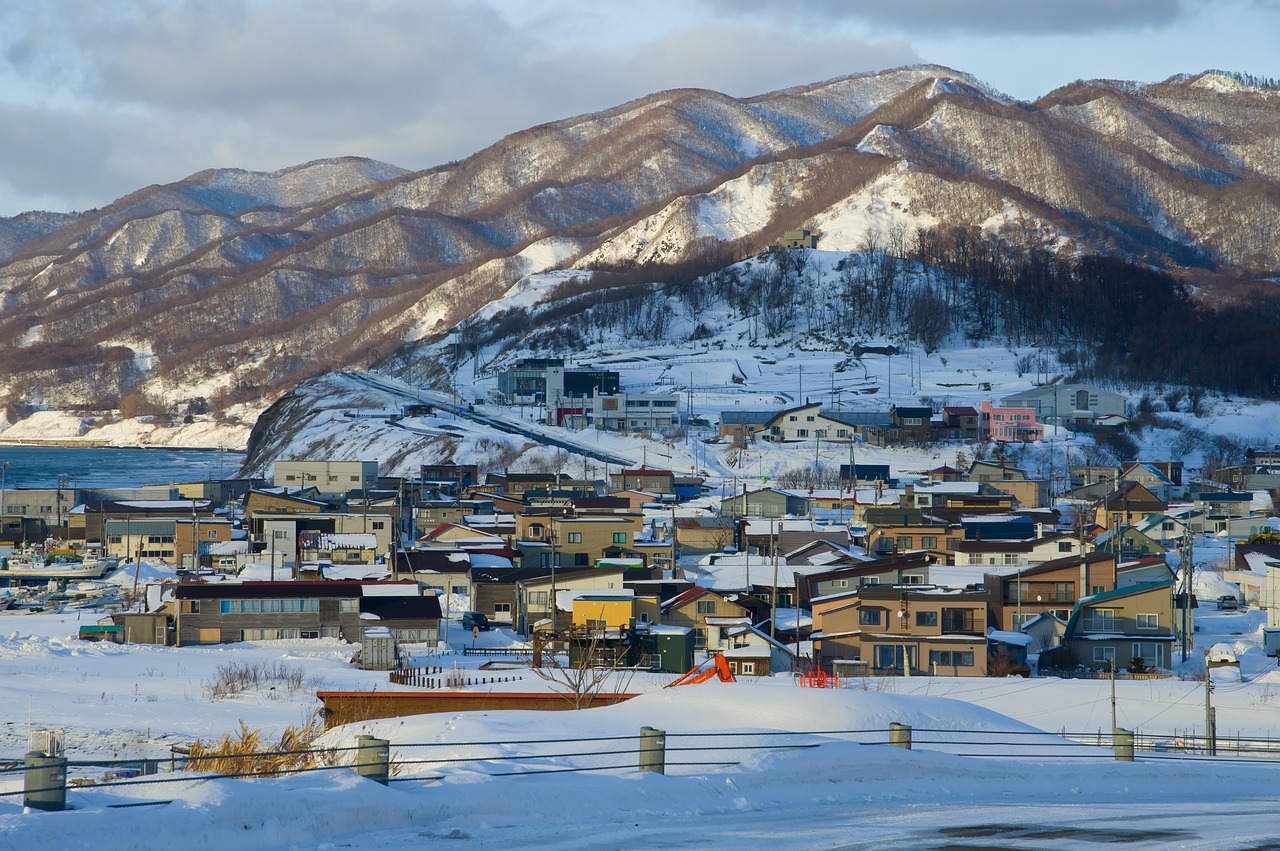
The landscape of the film is inseparable from its emotional register: flat water, vast reeds, fog, the absence of crowds, and a kind of silence that cities cannot produce. The Kushiro Marsh — Japan’s largest wetland, 18,000 hectares of reed grass and meandering river — and the adjacent Akkeshi estuary provide exactly this. The film’s emotional atmosphere could not have been set anywhere else.
Access: Kushiro Airport from Tokyo (approx. 1.5 hrs) · JR Senmo Line from Kushiro Station to marsh access points
🌿 Kushiro Marsh (Kushiro Shitsugen)
Japan’s largest wetland, designated both a Ramsar Convention site and a National Park. The Hosoka Observation Deck gives a panoramic view of the full marsh extent — the reed-covered flatlands, the silver loops of the Kushiro River, and in clear conditions, the distant mountains. The marsh absorbs sound; the silence here on a windless morning is the emotional texture of the film’s quietest scenes.
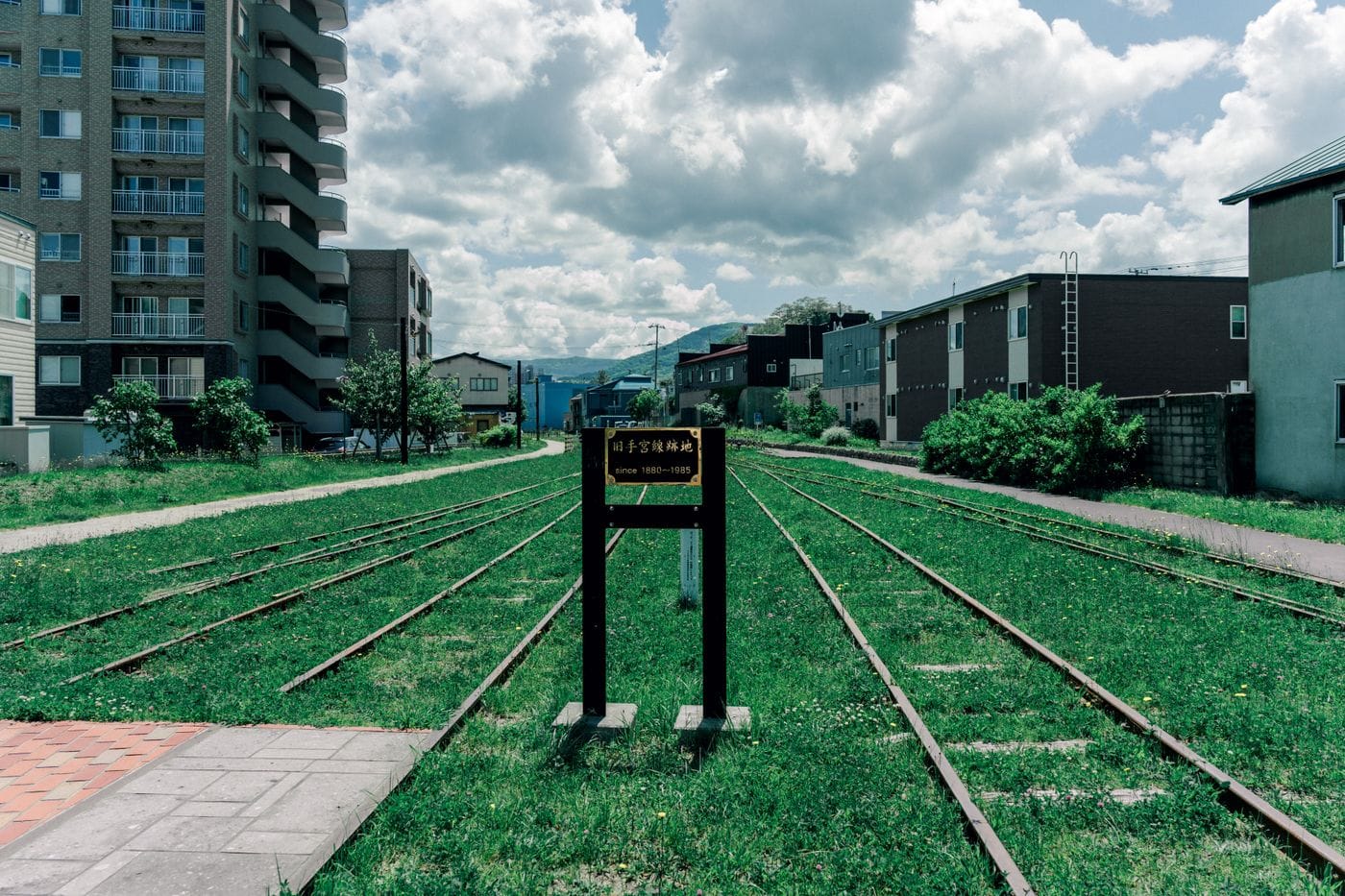
Kushiro Shitsugen Norokko Train: A scenic slow train running along the marsh edge from late April to October, offering river and reed views from open windows. One of Hokkaido’s most atmospheric rail experiences.
🦅 Tancho (Red-Crowned Crane)
The red-crowned crane — Japan’s rarest and most visually striking bird — nests in the Kushiro Marsh area. In winter, hundreds gather at feeding grounds in Tsurui Village. The birds’ white-and-red coloring, their size (wingspan up to 2.4m), and the particular quality of their calls create an experience of encountering something outside ordinary wildlife. Watching cranes in the Hokkaido winter landscape is among the most memorable wildlife experiences available in Japan.
🦪 Akkeshi — Oysters Year-Round
Access: ~1 hr by bus or car from Kushiro
While most of Japan’s oysters are available only in the colder months, Akkeshi’s cold-water estuary produces oysters that can be eaten safely year-round. The town’s Aioi Market serves them grilled on the half-shell for a few hundred yen each, eaten overlooking the estuary. This is not a tourist performance; it is a practical local market that happens to serve some of the finest oysters in Japan.
Hotels
Kushiro area: ANA Crowne Plaza Hotel Kushiro (Upper Mid-Range / from approx. ¥20,000 ~$133 USD) — riverside, the best hotel in Kushiro. Route Inn Grand Kushiro (Mid-Range / from approx. ¥10,000 ~$67 USD) — practical and clean.
All prices approximate. Verify on booking sites.
Who Should Visit
✔ When Marnie Was There fans
✔ Wildlife & crane photography visitors
✔ Oyster & Hokkaido seafood lovers
✔ Those who find meaning in wide, quiet landscapes
🏨 Planning where to stay?
Every area guide on this site pairs with honest, station-by-station hotel picks. Start here: Hokkaido Hotel Guides →