This article may contain affiliate links. If you book through them, we may earn a small commission at no extra cost to you.
Kyoto Guide · Fushimi
Fushimi: The Sake Breweries, Old Boathouses
& the River South of Kyoto
400 Years of Brewing · “Lady Water” Groundwater · Most Kyoto Visitors Never Find This
🍶 Gekkeikan Okura Museum — ¥600 with tasting
🌿 Horikawa Canal — willows & brewery walls
🏯 Teradaya — Sakamoto Ryōma’s escape inn
🚃 5km south of Kyoto Station
The Sake District Most Kyoto Visitors Never Find
Five kilometers south of Kyoto Station, the city transitions into something different. The temples thin out, the tourist infrastructure recedes, and the streets take on the character of an Edo-period commercial district that has been doing the same thing — producing sake — for over 400 years. Fushimi (伏見) is Japan’s second-largest sake production area after Nada in Kobe, and its combination of exceptionally pure soft groundwater, traditional brewing architecture, and canal-side scenery makes it one of the most rewarding and least crowded neighborhoods accessible from central Kyoto.
Access: Kintetsu Momoyama-Goryō-mae Station or Keihan Chūshojima / Fushimi-Momoyama Station · Can be combined with Fushimi Inari (same ward) for a half-day
🍶 Why Fushimi Sake Is Different: The Lady Water
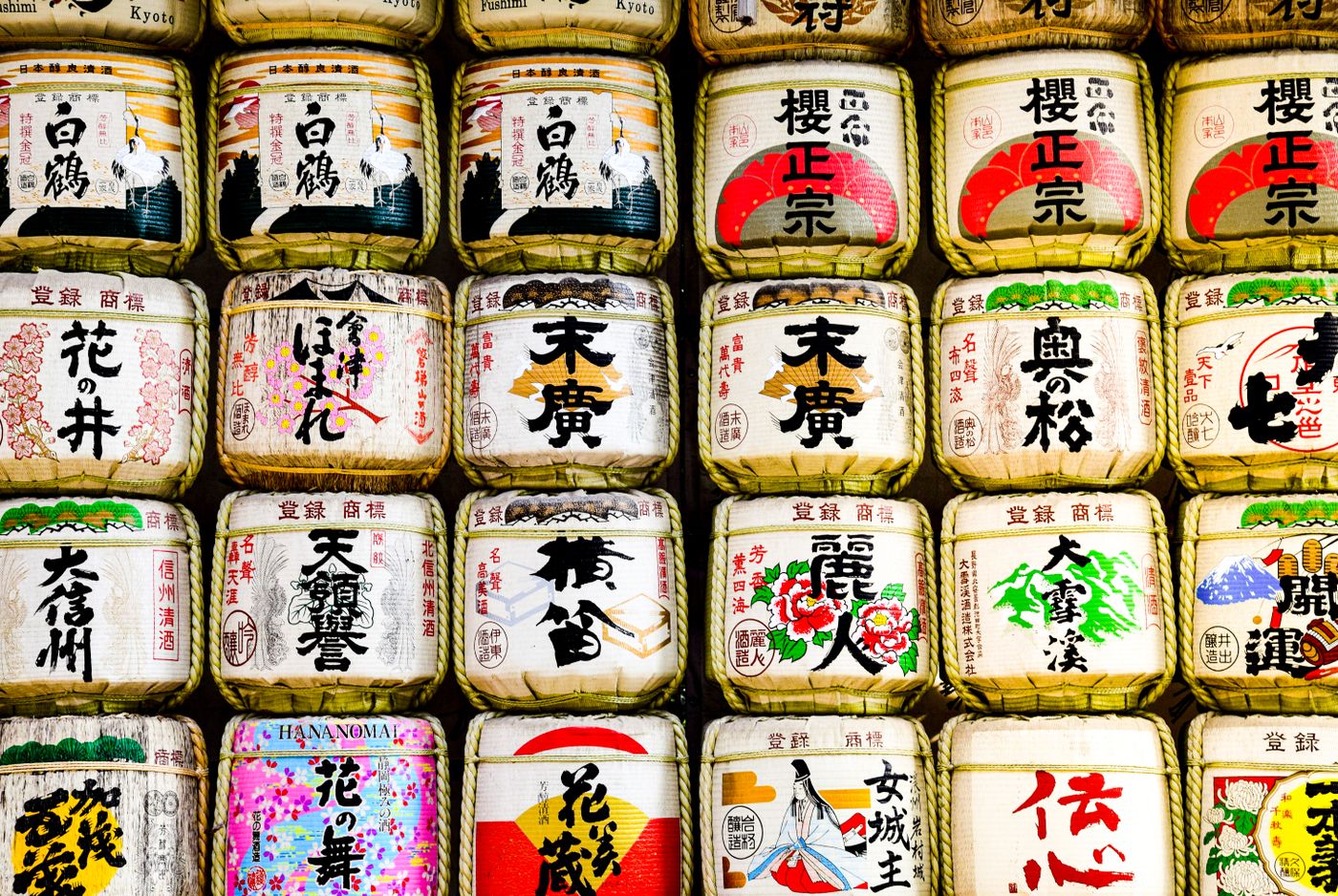
The defining characteristic of Fushimi sake is its underground water — known as “lady water” (女水 / Onna-mizu) for its softness. Very low mineral content produces sake with a characteristically soft, delicate, slightly sweet flavor profile. In contrast to Nada’s “hard water” (男水) — which produces drier, more robust sake — Fushimi sake is the epitome of gentle, smooth, and elegant. The difference is perceptible side by side.
🏭 Gekkeikan Okura Museum (月桂冠大倉記念館) · ~¥600
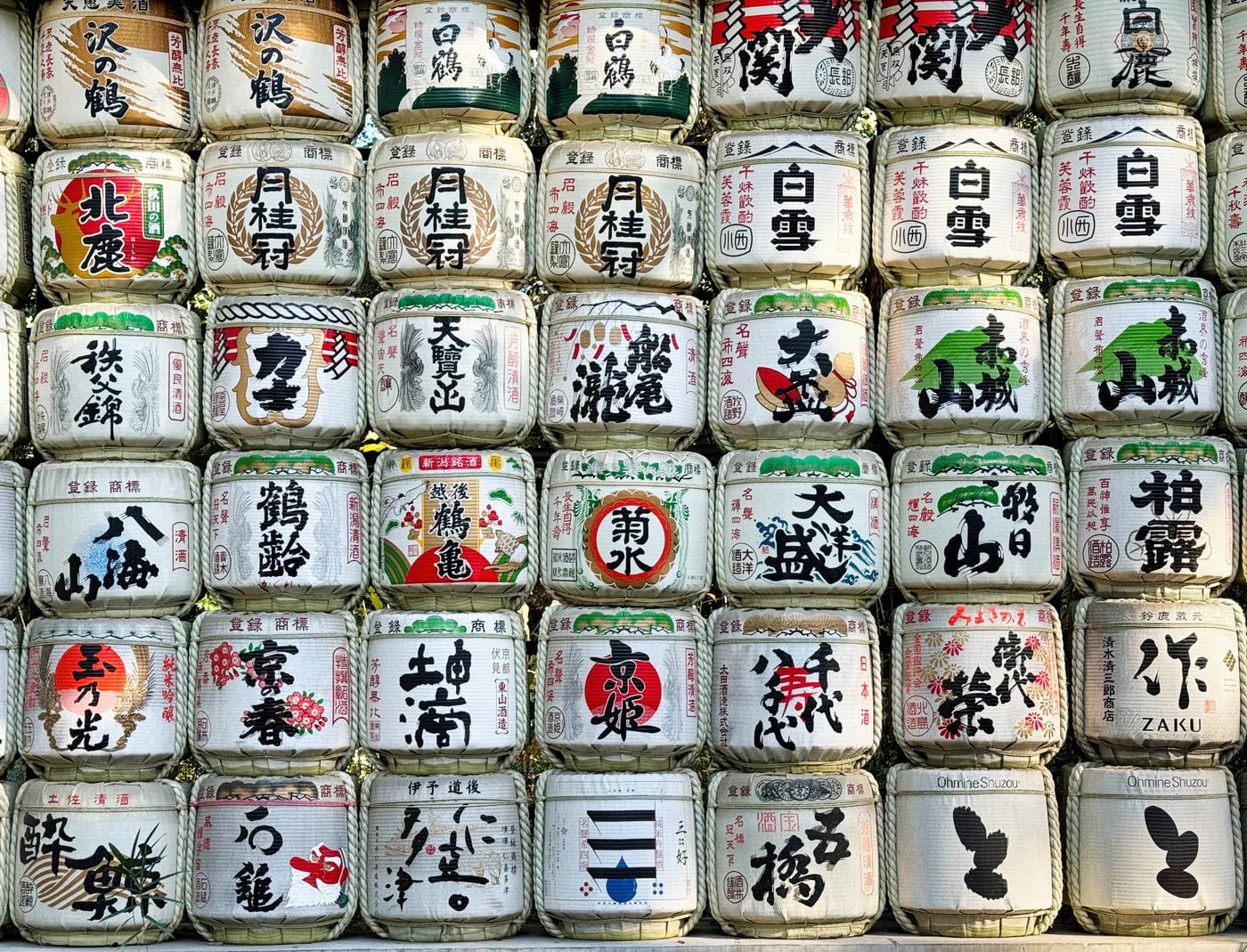
Gekkeikan — one of Japan’s most famous sake brands, founded in Fushimi in 1637 — maintains a museum in its historic brewery complex on the canal. Original equipment, tools, documents, and displays documenting sake brewing history, concluding with a tasting of several Gekkeikan products. The entry fee includes sake tasting and a souvenir cup. One of the most educational 45-minute experiences in the greater Kyoto area.
🌊 Horikawa Canal Walk — The Best Kept Secret
The canal-side walk along the Horikawa between the brewery district and the Teradaya inn is one of Kyoto’s finest waterfront promenades. In spring, weeping willows line the canal and cherry trees bloom above old warehouse walls. In the early morning, with mist on the water and no other visitors, this is a genuinely extraordinary urban landscape. Until the railway era, sake was transported by flat-bottomed boats (三十石船) from Fushimi down the Yodo River to Osaka — a journey that combined commerce with entertainment.
🏯 Teradaya (寺田屋): The Inn Where History Was Made
In 1866, Sakamoto Ryōma — one of the central figures of the Meiji Restoration — was attacked here by shogunate agents and narrowly escaped, aided by his partner Narasaki Ryō (お龍). The inn preserves bullet holes and sword damage from the attack. Ryōma is one of Japan’s most beloved historical figures — a visionary assassinated at 31 — and visiting Teradaya with knowledge of his story gives the modest building a weight that purely architectural appreciation cannot provide.
🍶 More Sake Tasting
Kizakura Kappa Country (黄桜カッパカントリー): A sake theme park and brewery restaurant — multiple Kizakura products with food specifically designed to complement sake. The best option for a longer, food-integrated experience. Winter brewing season (January–February): The most atmospheric time to visit, with breweries in active production and the smell of fermentation on the canal air.
Hotels
The Thousand Kyoto (Luxury / from approx. ¥40,000 ~$267 USD) — Kyoto Station area, convenient for Fushimi access. Dormy Inn Premium Kyoto Ekimae (Mid-Range / from approx. ¥14,000 ~$93 USD) — near station, good value access point. All prices approximate.
Who Should Visit Fushimi
✔ Sake & Japanese alcohol enthusiasts
✔ Japanese history (Meiji Restoration) travelers
✔ Those combining with Fushimi Inari (same ward)
✔ Spring canal-walk lovers (willows + cherry blossoms)
🏨 Planning where to stay?
Every area guide on this site pairs with honest, station-by-station hotel picks. Start here: Kyoto Hotel Guides →