This article may contain affiliate links. If you book through them, we may earn a small commission at no extra cost to you.
On this page
Introduction: The Castle That Outperforms Its Fame
In the cherry blossom debate that occupies Japanese conversation every spring — Ueno versus Maruyama, Yoshino versus Hirano — Hirosaki (弘前) is the answer that experienced sakura viewers give when asked for the single finest castle cherry blossom site in Japan.
The claim is not made lightly. Hirosaki Castle (弘前城) in Aomori Prefecture possesses approximately 2,600 cherry trees of 52 varieties across its grounds, with the concentration and composition of the planting — developed and maintained over 200 years — producing a visual effect at peak bloom that most comparable sites cannot match. The specific combination of the reflected castle tower in the moat water, the pink-white canopy of blossom above the stone walls, and the carpet of fallen petals floating on the water's surface at peak bloom has been described by generations of Japanese writers and photographers as the finest single spring view in the country.
The fact that most international visitors have never heard of Hirosaki — it sits at the far north of Honshu, an hour's train ride from Aomori — makes it simultaneously a challenge and a reward: this is the Japan that rewards effort.
Hirosaki Castle (弘前城): The Cherry Blossom Standard
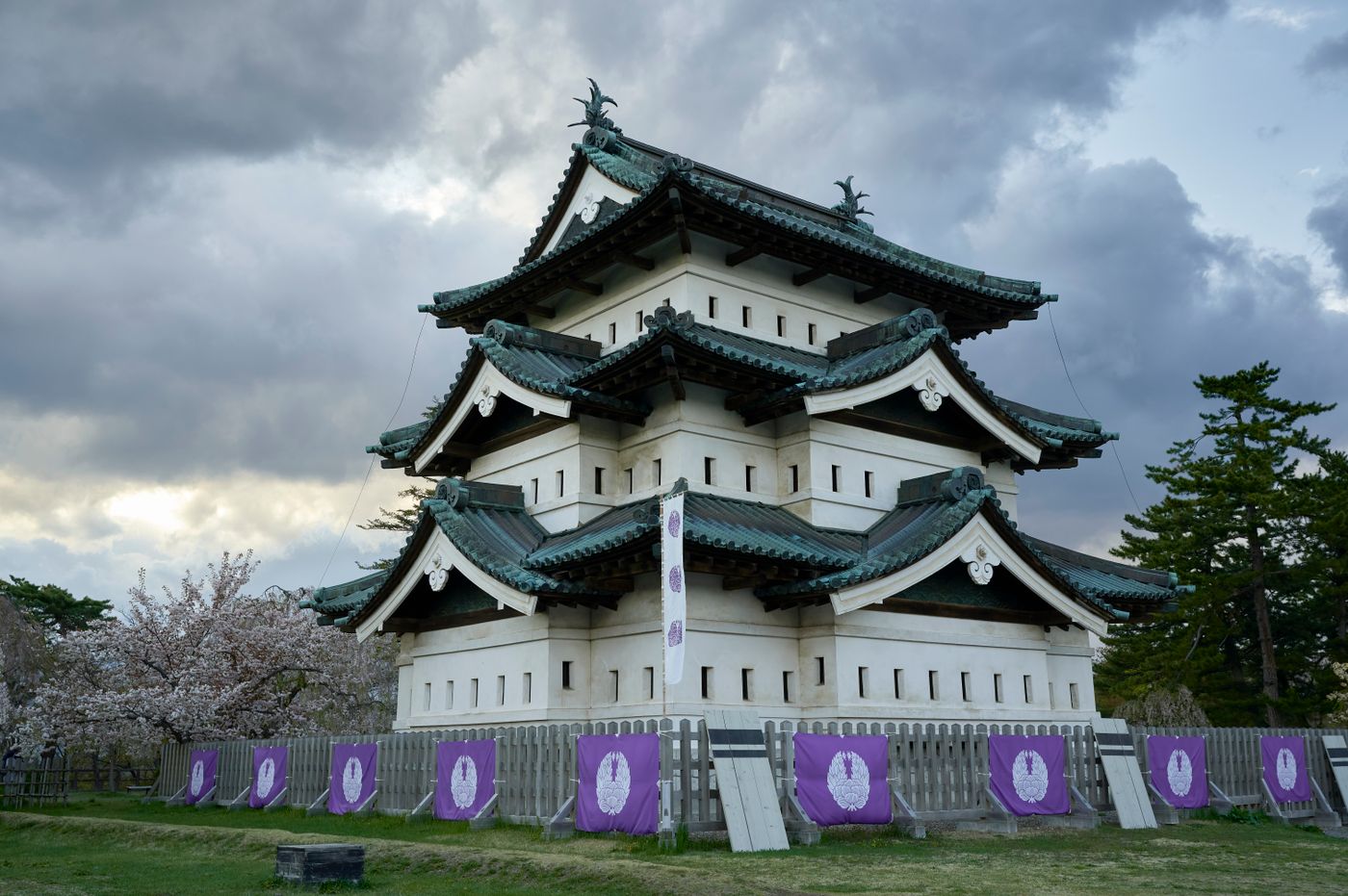
Hirosaki Castle was built in 1611 under the Tsugaru clan, who ruled the Hirosaki domain through the entire Edo period. Unlike most Japanese castles, whose main towers were destroyed by fire, earthquake, or Meiji-era demolition, Hirosaki Castle's three-story main tower (天守閣) is original — the only original castle tower surviving in Tohoku, making it one of only twelve in Japan.
The castle's current tower is actually the second — the original five-story tower was struck by lightning and burned in 1627. The replacement three-story tower was built in 1810. (Note: since 2015 the tower has been temporarily shifted about 70 meters off its stone wall while the walls undergo repair — its move back to the original position is planned around 2026, so check the latest status before visiting.)
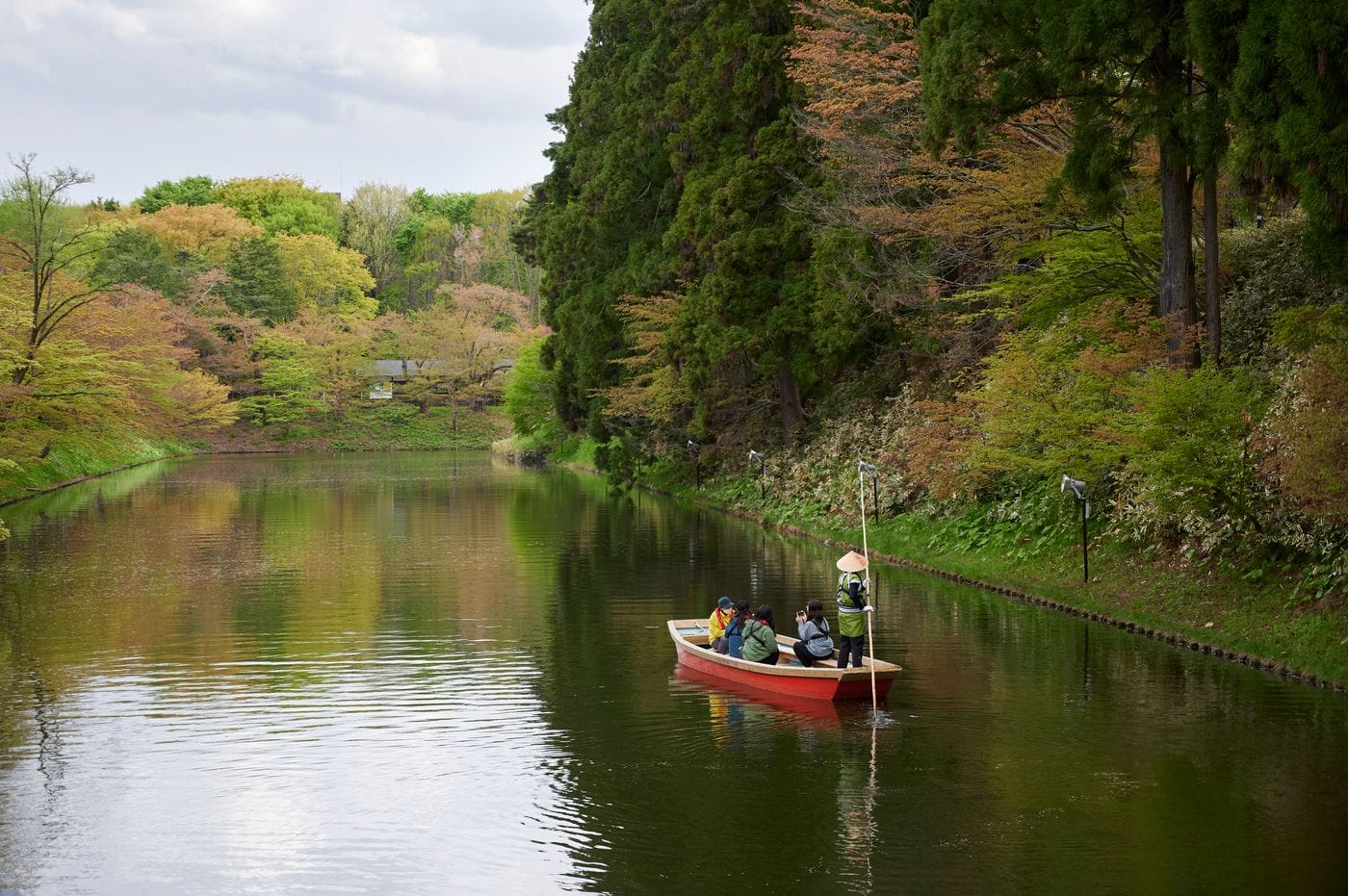
The moat: The castle's outer moat — surrounded by the famous cherry trees — is the central element of the spring blossom experience. The combination of the castle tower reflected in the moat water and the blossom canopy overhanging from both sides creates the layered depth of image that makes the Hirosaki cherry blossom view distinctive from all comparable sites.
The inner moat at peak petal fall (花筏 / Hanaikada): When petals begin falling in significant numbers — typically 4–5 days after peak bloom — the moat water surface becomes covered with a continuous carpet of pink petals that drifts slowly with the slight current. This "flower raft" (花筏) is considered by many visitors to be the most beautiful single moment of the Hirosaki blossom season — an accidental composition created by thousands of trees simultaneously releasing their petals over the reflective surface of the moat.
The Cherry Blossom Festival (弘前さくらまつり)
The Hirosaki Cherry Blossom Festival runs for approximately 10 days from late April, centered on the period of peak bloom. The festival includes:
Evening illumination (ライトアップ): The castle and cherry trees are lit after dark, creating a completely different visual experience from the daytime — the lit blossom against the dark sky and the reflected light in the moat are particularly effective after the petals begin falling and the moat surface is pink.
Food stalls: The castle grounds during the festival are lined with traditional food stalls — grilled corn, yakitori, taiyaki, and regional Aomori specialties — giving the festival the atmosphere of a significant matsuri rather than simply a tourist viewing event.
Peak timing advice: Cherry blossom peak in Hirosaki is typically 5–7 days later than Tokyo — around late April to early May. The late flowering is a consequence of the northern latitude and the Tohoku spring's slower arrival, which paradoxically makes coordination with the Tokyo blossom period possible for visitors who want to follow the sakura front north.
Beyond the Castle: Hirosaki's Other Dimensions
Hirosaki's Apple Orchards (りんご産業)
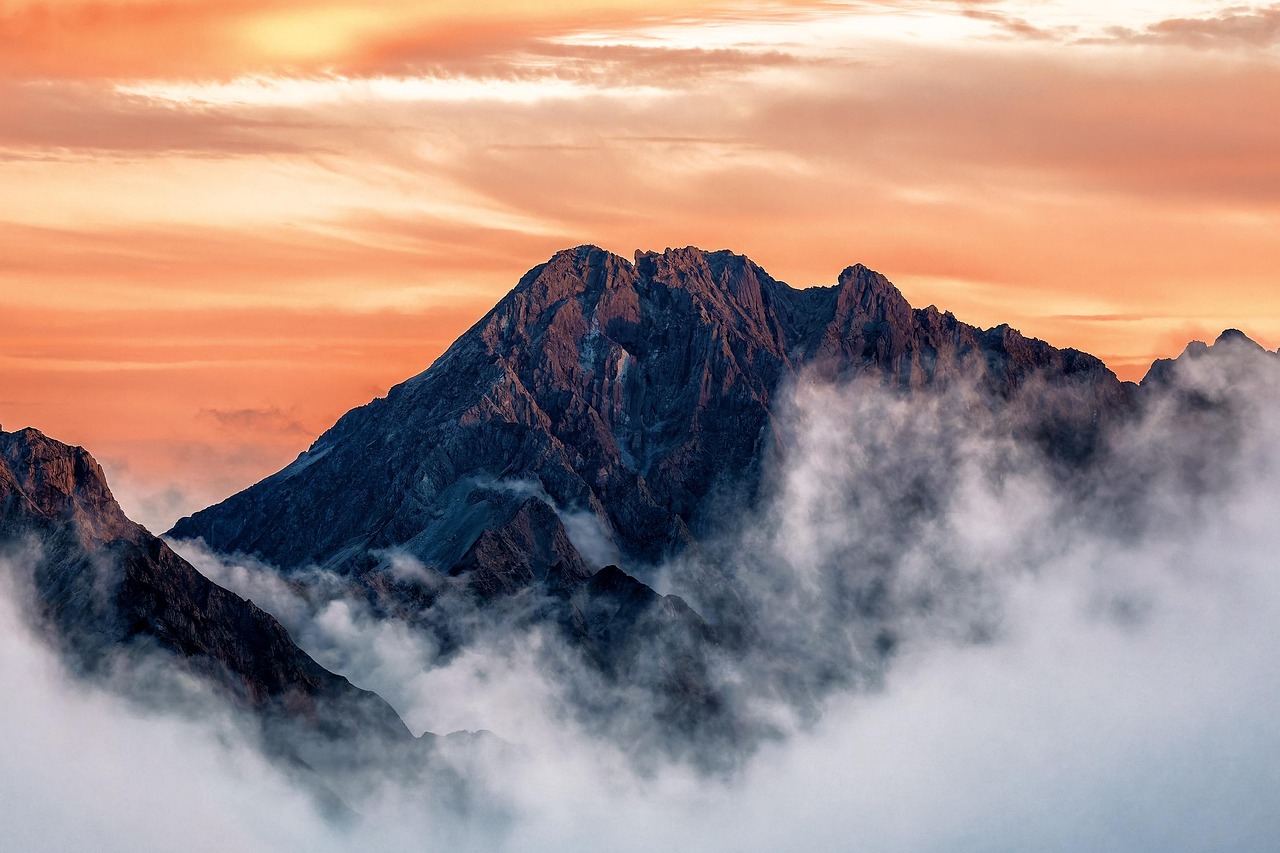
Aomori Prefecture produces approximately 60% of Japan's apple harvest, and Hirosaki is the agricultural center of this industry. The apple orchards surrounding the city — visible from the castle grounds on clear days, the orchards rising up the lower slopes of Mount Iwaki (岩木山) behind the city — are:
In spring: Blooming in late April to early May, overlapping with the cherry blossom season and adding a secondary white-and-pink blossom layer to the already extraordinary spring display.
In autumn: The apple harvest season (October–November) transforms the orchards into productive landscapes of red and yellow fruit, and the apple products (cider, apple pie, dried apple) available throughout the city reflect a genuine agricultural tradition rather than a tourist confection.
Neputa Festival (ねぷたまつり): Hirosaki's Summer Festival
Hirosaki Neputa — held from August 1st to 7th — is the Hirosaki version of the region's famous float festival tradition. The Hirosaki floats are characteristically fan-shaped (扇型) — a different design from Aomori's more common large warrior figure floats — and are lit from within, producing a warm golden illumination that distinguishes them from the brighter Aomori lanterns.
Recommended Base Hotels
- Hirosaki Park Hotel (Mid-range / from ¥12,000): Cherry blossom season proximity to castle.
- Hotel New Castle (Mid-range / from ¥13,000): Castle view from upper floors during festival season.
- Dormy Inn Hirosaki (Mid-range / from ¥9,000): Natural hot spring, reliable quality.
Planning where to stay in Tohoku? Browse our honest hotel picks and area guides.
🏨 Planning where to stay?
Every area guide on this site pairs with honest, station-by-station hotel picks. Start here: Aomori Hotel Guides →