This article may contain affiliate links. If you book through them, we may earn a small commission at no extra cost to you.
On this page
Introduction: The Season That Moves Across the Country
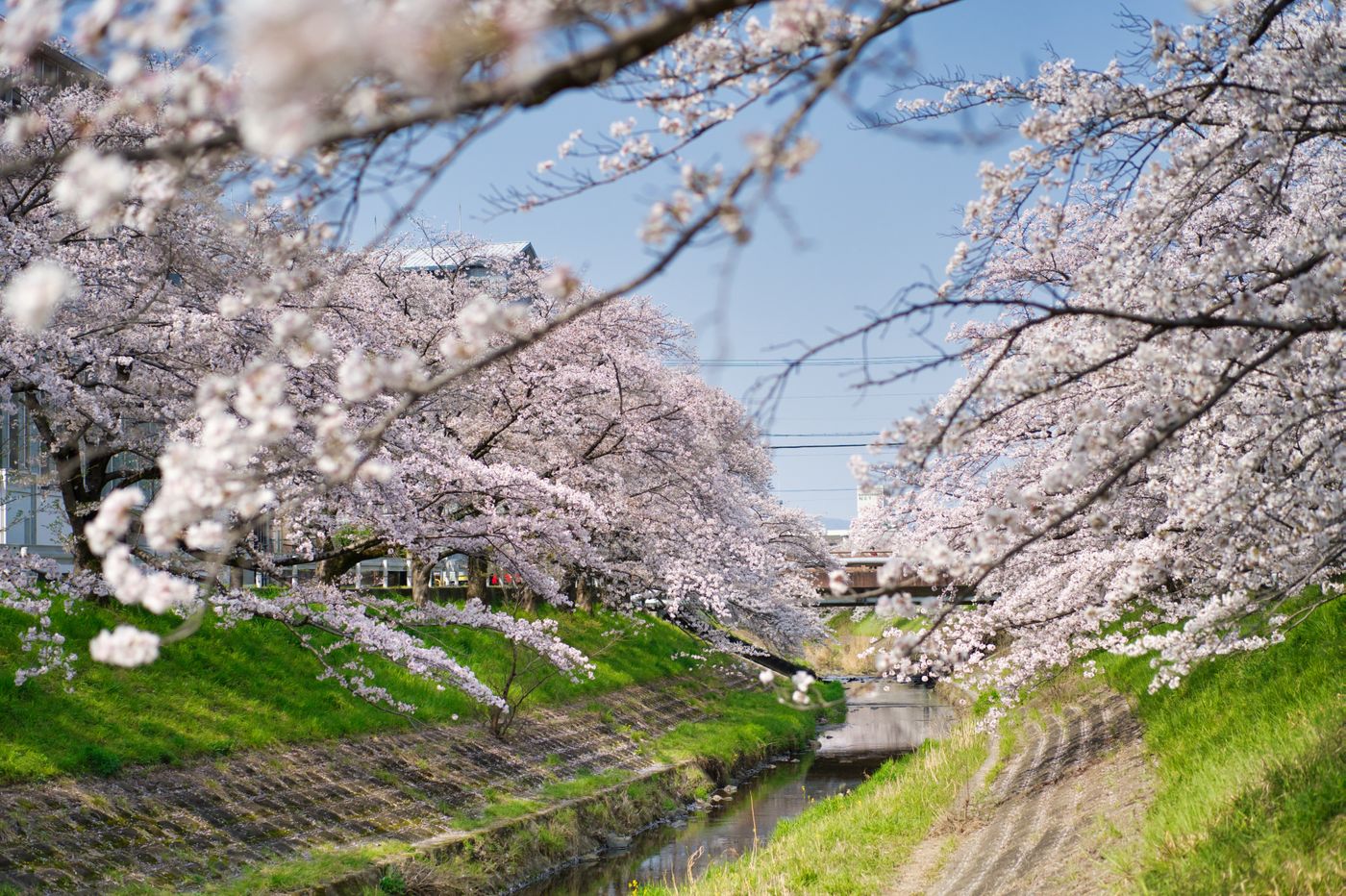
Sakura zensen (桜前線 / "cherry blossom front") is the term the Japan Meteorological Corporation uses to describe the wave of cherry blossom bloom that travels northward across Japan each spring — beginning in Okinawa in January, reaching Kyushu and Shikoku in late March, sweeping through Honshu in early April, and finally reaching Hokkaido in early May. The phenomenon means that, with correct planning, a single traveler can chase cherry blossom peak across the country for nearly four months — though the standard "sakura season" most visitors plan around runs from late March to mid-April in central Japan.
Understanding the timing precisely is the single most consequential planning decision for a cherry blossom trip — arriving a week early or late from peak bloom in any given location can mean the difference between an extraordinary experience and a disappointing one.
Understanding the Bloom Stages
Japanese cherry blossom tracking uses specific terminology:
Kaika (開花 / "opening"): The official first bloom date — when a specified reference tree at the local meteorological station opens 5–6 blossoms.
Mankai (満開 / "full bloom"): Approximately 80% of buds open — typically 7–10 days after kaika, though this varies with temperature.
Hanafubuki (花吹雪 / "blossom blizzard"): The petal-falling stage, when wind carries falling petals in drifts — typically 4–7 days after mankai, considered by many photographers and locals the most beautiful phase.
The viewing window: The genuinely excellent viewing period for any location is approximately 10–14 days — from a few days before mankai through the early hanafubuki stage.
Week-by-Week Regional Guide
Late March (March 20–31): Kyushu and Shikoku Lead
Fukuoka, Kumamoto, Kagoshima (Kyushu): Typical mankai late March. Fukuoka's Maizuru Park and Nishi Park are the primary viewing sites.
Kochi, Matsuyama (Shikoku): Typical mankai late March to very early April. Matsuyama Castle's blossom display peaks in this window.
Hiroshima, Osaka: Typical mankai late March to early April — Osaka Castle Park and Hiroshima Peace Memorial Park reach peak in this period.
Early April (April 1–10): Honshu's Peak Window
Tokyo and Kanto: Typical mankai late March to early April — usually around March 28–April 3 in recent years, though this has trended earlier with climate patterns. Ueno Park, Meguro River, Shinjuku Gyoen, and Chidorigafuchi all peak within this window, though specific dates vary by 2–3 days between locations due to microclimate.
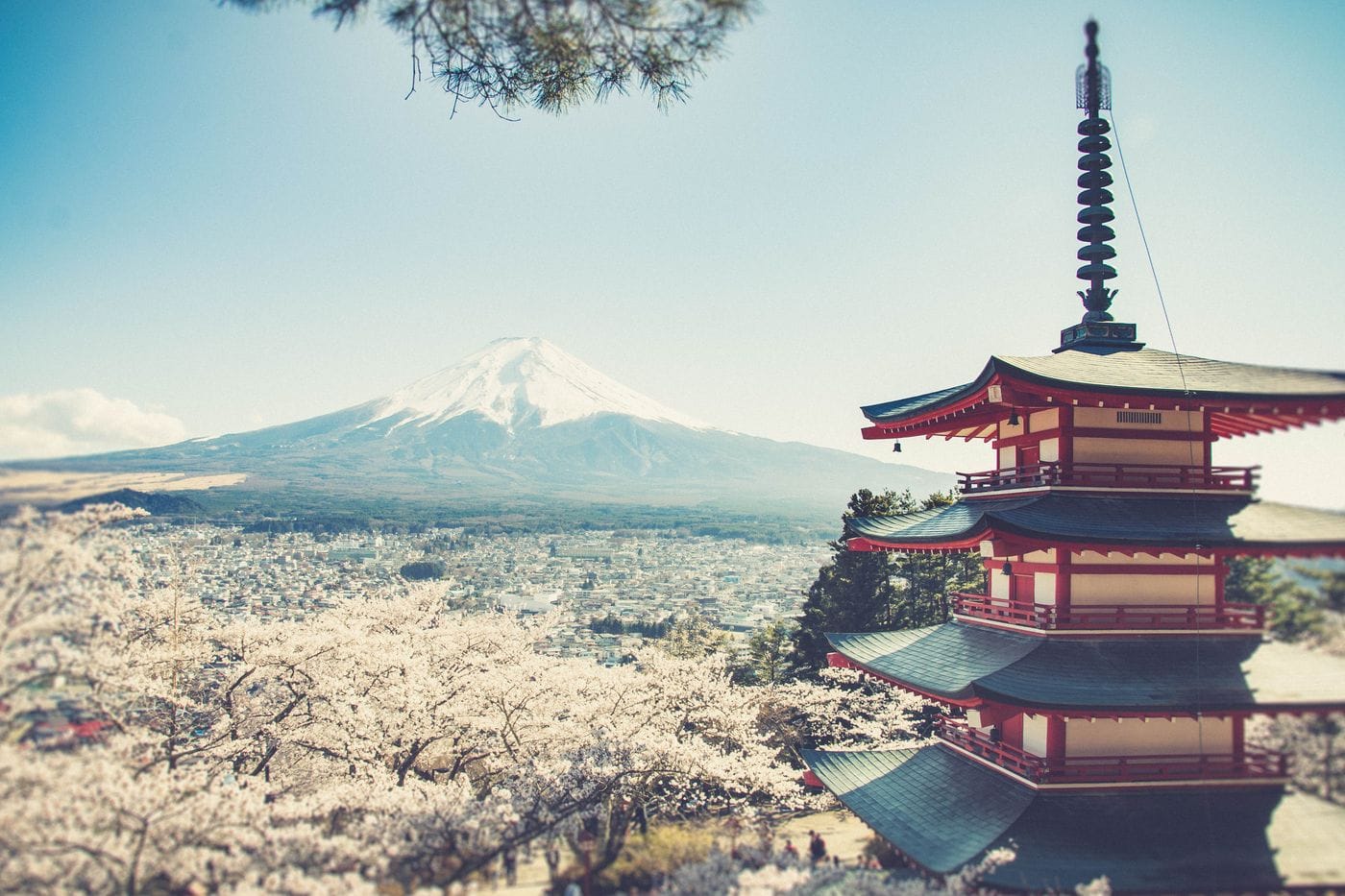
Kyoto: Typical mankai April 1–7. The Philosopher's Path, Maruyama Park, and Kiyomizudera area reach peak in this period — slightly later than Tokyo due to Kyoto's basin geography retaining cold air longer into spring.
- Nagoya: Typical mankai late March to early April, similar timing to Tokyo.
Mid-April (April 10–20): The Mountain and Northern Honshu Window
Takayama, Matsumoto (mountain regions): Typical mankai April 10–18 — the elevation delays bloom by 1–2 weeks compared to coastal cities at similar latitude.
- Kanazawa: Typical mankai April 5–12 — Kenroku-en's cherry display peaks in this window.
- Sendai, Yamagata (southern Tohoku): Typical mankai April 10–17.
Late April–Early May (April 20–May 5): Northern Tohoku and the Famous Late Bloomers
Hirosaki (Aomori): Typical mankai late April to early May — the famous castle cherry blossom display, as described in the dedicated Hirosaki article, peaks in this window, approximately 3–4 weeks after Tokyo.
Kakunodate (Akita): Typical mankai late April — the weeping cherry display at the samurai district peaks here.
Early-to-Mid May (May 5–15): Hokkaido's Turn
Sapporo, Hakodate: Typical mankai early to mid-May — Hokkaido's cherry blossom season arrives nearly six weeks after Kyushu's, completing the sakura zensen's full transit of Japan.
Matsumae (Hokkaido): The southernmost point of Hokkaido and the prefecture's earliest blooming location — sometimes called Hokkaido's cherry blossom capital, with over 10,000 trees across 250 varieties.
The Forecasting Reality
Annual variation: Cherry blossom timing varies year to year by up to two weeks depending on winter and early spring temperatures. The Japan Meteorological Corporation (日本気象株式会社) publishes annual forecasts beginning in January, refining predictions through February and March as the season approaches.
Booking strategy: Given the variability, the safest approach for accommodation booking is to book flexible-cancellation hotels for a window of approximately 10 days around the historically average peak date for your destination, then monitor the forecast as it firms up 3–4 weeks before travel.
The climate trend: Tokyo's average cherry blossom peak has moved approximately one week earlier over the past 70 years due to urban heat island effects and broader climate warming — a trend that planners should account for when using historical averages.
Planning where to stay in Kyushu & Okinawa? Browse our honest hotel picks and area guides.
🏨 Planning where to stay?
Every area guide on this site pairs with honest, station-by-station hotel picks. Start here: Kyoto Hotel Guides →