This article may contain affiliate links. If you book through them, we may earn a small commission at no extra cost to you.
On this page
Introduction: The Island That Wins Every Beach Competition
Miyako Island (宮古島) — located 300 km southwest of Okinawa main island, roughly equidistant between Okinawa and Ishigaki — wins beach competitions. The specific combination of coral sand whiteness, water color saturation, water clarity, and beach scale that Miyako's beaches provide has led multiple Japanese travel publications to rank Miyako beaches at or near the top of Japan's beach rankings.
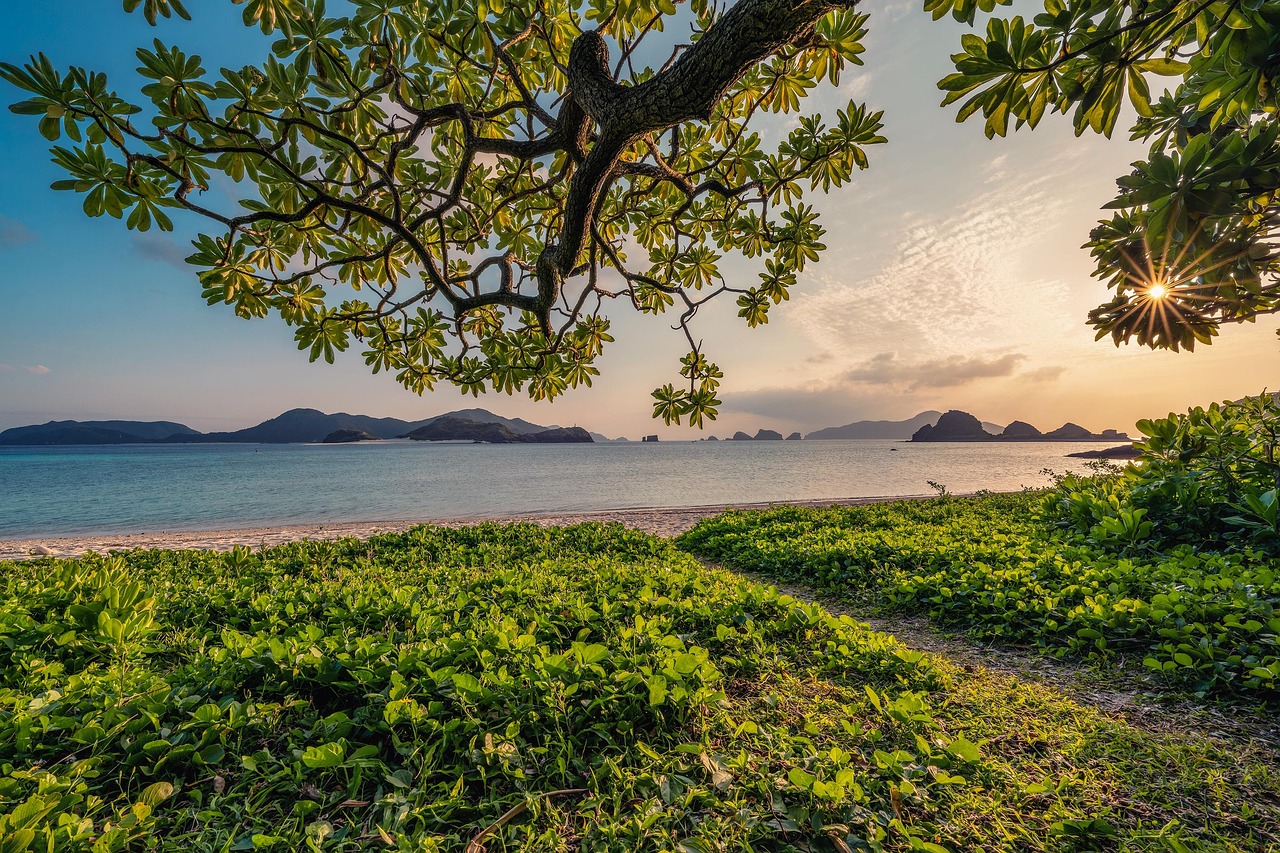
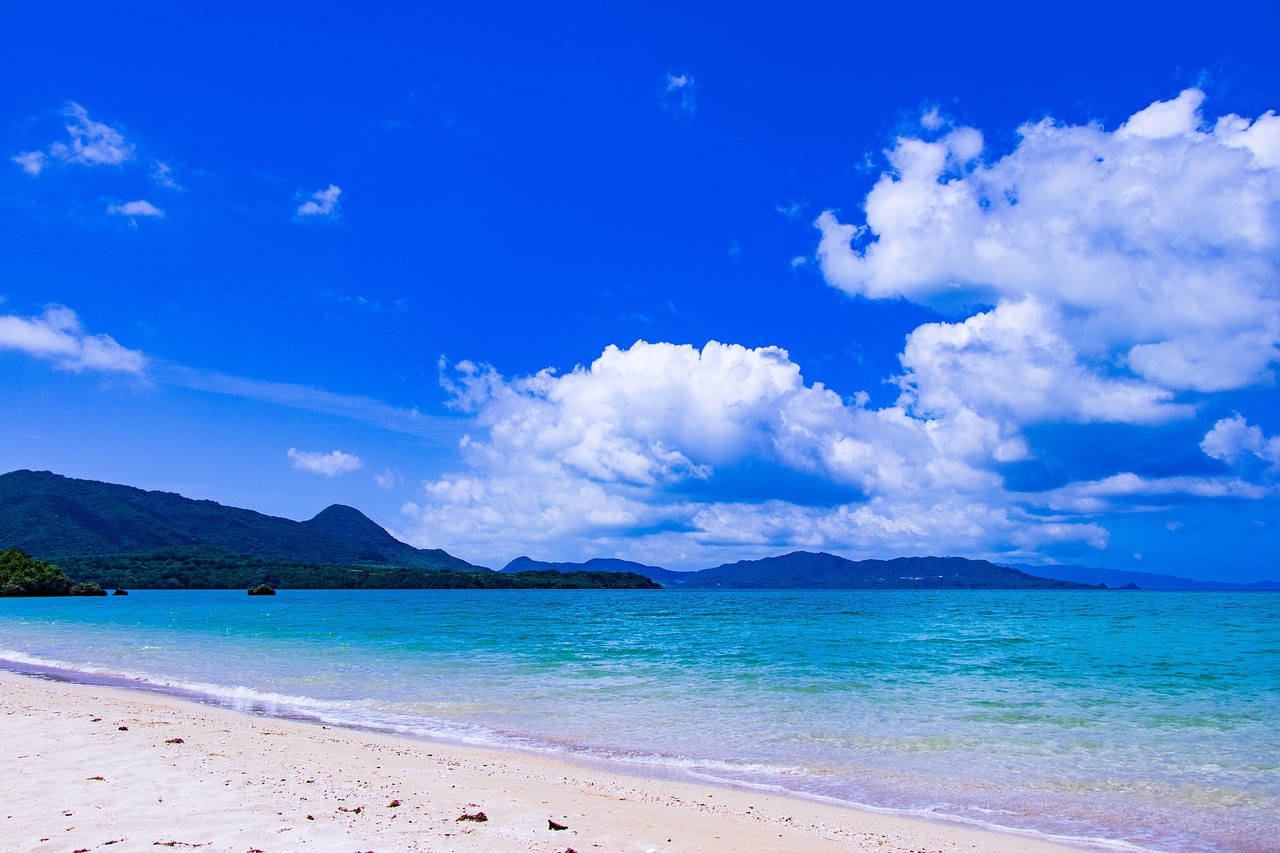
Yonaha Maehama Beach (与那覇前浜ビーチ) — Miyako's most celebrated beach — is a 7 km sweep of white coral sand with water that shifts from pale turquoise at the shoreline through aquamarine to deep blue at the reef edge, the clarity sufficient to see the bottom at depths of several meters. It has been called "Japan's most beautiful beach" so many times in Japanese travel media that the description has become a formal designation.
The paradox of Miyako is that despite this reputation within Japan — where it is extremely popular with Japanese domestic tourists, particularly honeymooners — it remains almost entirely unknown to international visitors, who continue to concentrate at Okinawa main island.
The Beaches
Yonaha Maehama (与那覇前浜): The 7 km Masterpiece
Yonaha Maehama is the beach that defines Miyako's reputation. Its 7 km length — unusual for Japanese beaches, which tend toward the scenic cove rather than the sweeping arc — combined with the consistent quality of the sand (pure white coral, fine-grained, packed firm enough for walking) and the water color (the specific Miyako turquoise produced by the shallow reef substrate below) creates a beach of international comparison.
The beach faces southwest, making it ideal for sunset viewing — the light in the final hour before sunset, when the water reflects gold and orange alongside the turquoise, produces the most saturated version of the already extraordinary color palette.
Practical note: Japanese domestic tourism to Miyako is intense in summer (July–August) and around Golden Week (late April–early May). The beach in these periods is crowded by its own standards — not by European beach standards, but by Japanese beach standards. The beach in May, October, or November has the quality with a fraction of the people.
Sunayama Beach (砂山ビーチ)
Sunayama Beach is the most dramatically positioned of Miyako's beaches — accessed by crossing a sand dune hill (the "sunahama" or sand mountain of the name) that blocks any view until you reach the top and the beach suddenly appears below. The beach itself is relatively small — approximately 150 meters of crescent-shaped white sand — and is flanked by a natural arch of eroded limestone rock through which the turquoise water is visible.
The arch creates the most compositionally interesting beach photograph in Miyako, and the specific combination of the limestone arch, the white sand, and the water color has been reproduced in thousands of Japanese travel magazine features.
Higashihennazaki (東平安名崎): The Cape
The East Henna Cape — a 2 km narrow finger of coral limestone extending into the Pacific — is Miyako's most scenic non-beach natural site. The cape is covered in wildflowers and low subtropical vegetation, with the sea visible on both sides from the path. The lighthouse at the tip and the panoramic view of open water in three directions makes this the best orientation point for understanding Miyako's geographic position.
The Three Bridges and Connected Islands
Miyako's geography has been modified by three bridges connecting the main island to three smaller islands — each offering distinctive experiences:
Irabu Bridge (伊良部大橋): At 3,540 meters, Japan's longest toll-free bridge, connecting Miyako to Irabu Island (伊良部島) and the adjacent Shimoji Island (下地島). The bridge itself — crossing pale turquoise water at low height above the surface — is one of Japan's most beautiful road bridges and a popular cycling destination.
Shimoji Island's Airport: The runway of the former Shimoji Island Airport (now used only for pilot training) is famous for approaching aircraft passing just meters above a specific road crossing — local photographers and aviation enthusiasts gather at this crossing for extreme-close-range landing photography.
Kurima Bridge (来間大橋): Connecting Miyako to Kurima Island (来間島) — a small island of approximately 200 people with several excellent cafés, a sugarcane agricultural character, and the Nagamahama Beach (長間浜) that is considered the finest beach on the connected islands.
Miyako's Food Culture
Miyako's food is a subset of Okinawan cuisine with local emphasis:
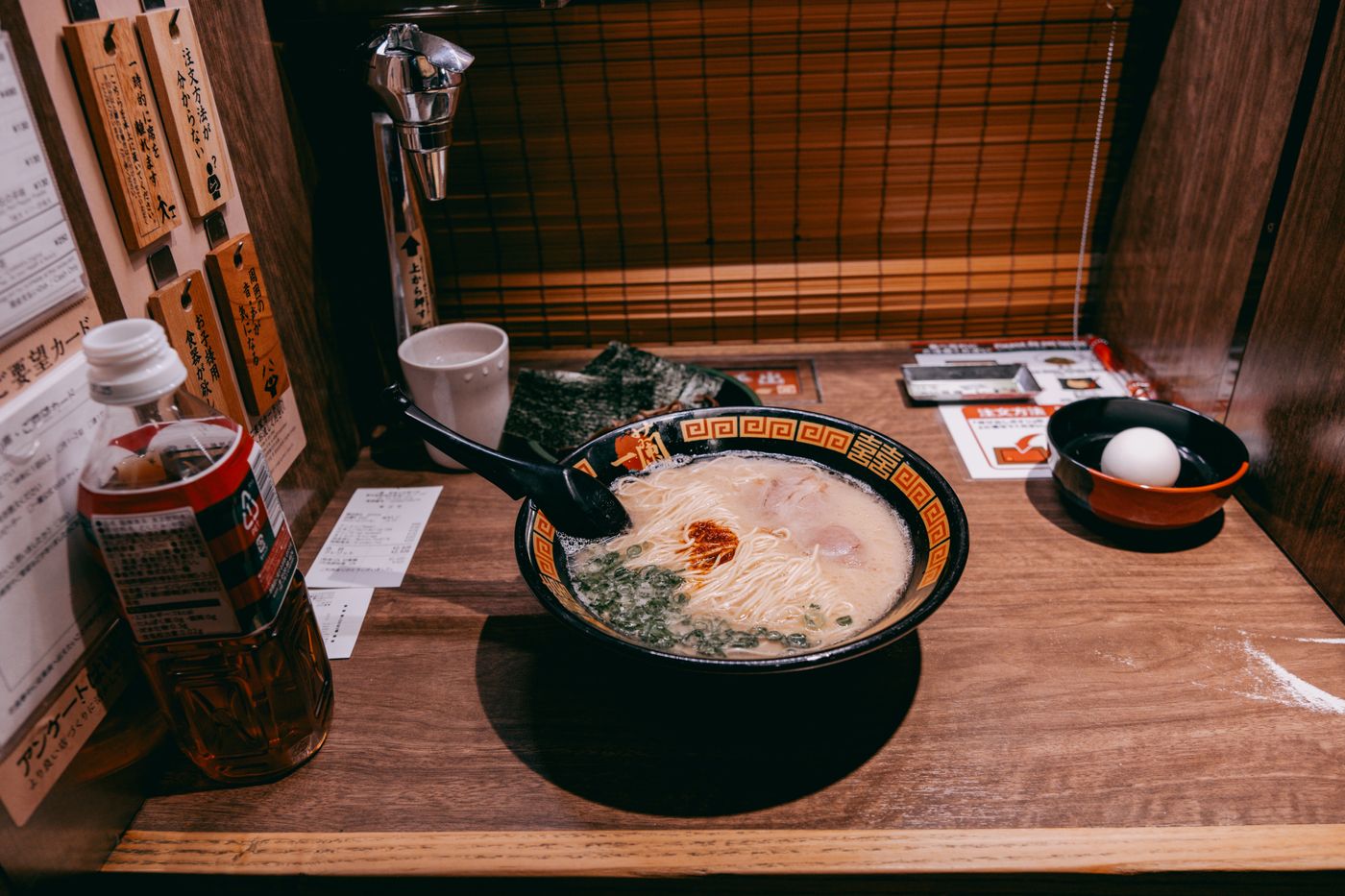
Miyako Soba (宮古そば): A distinctive local style — the noodles finer than Okinawa soba, the broth lighter, the pork less dominant and more finely integrated. The most characteristic version uses a thin, pale broth with delicate pork and minimal garnish.
Mozuku (もずく): Sea moss — a type of edible seaweed cultivated in Miyako's coastal waters — is available throughout the island in fresh and processed forms. The fresh Miyako mozuku, eaten with vinegar (三杯酢 / sanbaizu), has a delicate flavor and silky texture that the packaged varieties available on the mainland do not capture.
Recommended Base Hotels
Miyakojima Tokyu Hotel & Resorts (Luxury / from ¥32,000): Yonaha Maehama beachfront, the finest resort in Miyako.
Hotel Atoll Emerald Miyakojima (Mid-range / from ¥12,000): Hirara harbourfront, convenient for local restaurant culture.
Irabu Island guesthouses: Several small guesthouses on Irabu Island offer quiet, ocean-facing accommodation from ¥8,000–¥12,000.
Planning where to stay in Kyushu & Okinawa? Browse our honest hotel picks and area guides.
🏨 Planning where to stay?
Every area guide on this site pairs with honest, station-by-station hotel picks. Start here: Tokushima Hotel Guides →