This article may contain affiliate links. If you book through them, we may earn a small commission at no extra cost to you.
On this page
Introduction: An Honest Comparison of Asia's Two Great Tropical Destinations
Okinawa and Hawaii are the two Pacific destinations most frequently compared by travelers choosing a tropical getaway from Japan or East Asia. The comparison is natural — both offer warm water, coral reefs, strong indigenous cultural traditions, American military presence as a historical overlay, and resort infrastructure at various price points.
But the comparison is also more nuanced than the surface similarities suggest. For certain types of travelers, Okinawa is unambiguously the better choice. For others, Hawaii's specific qualities make it irreplaceable. This guide makes the case for Okinawa where it genuinely applies — and acknowledges where Hawaii wins.
Where Okinawa Wins
Cost: Significant Advantage
Flights from Japan: Tokyo to Naha is approximately 2.5 hours and ¥15,000–¥30,000 round trip on domestic carriers (often less on discount airlines like Peach and Jetstar Japan). Tokyo to Honolulu is approximately 8 hours and ¥60,000–¥120,000 round trip.
Accommodation: Okinawa's resort hotels — including international luxury brands (The Busena Terrace, Okinawa Marriott, ANA InterContinental) — price at ¥20,000–¥50,000 per room. Comparable Hawaii hotels (Aulani, Four Seasons Maui, Grand Wailea) price at ¥60,000–¥150,000.
Food: Japan's food culture advantage is absolute at every price point. A Okinawa seafood meal of extraordinary quality at ¥2,000–¥4,000 per person has no Hawaii equivalent at the price.
Total cost comparison: A 5-day Okinawa trip from Tokyo (including flights, resort accommodation, meals) costs approximately ¥150,000–¥250,000 per person. An equivalent Hawaii trip from Tokyo costs approximately ¥350,000–¥600,000.
Accessibility from Japan
The calculation for Japan-based travelers is unambiguous: Okinawa is closer, cheaper to reach, requires no international flight logistics, no passport or currency exchange, and no adjustment for the time difference (Okinawa shares Tokyo’s time zone — zero jet lag).
For foreign visitors already in Japan, adding Okinawa to an existing Japan itinerary (a 2.5-hour flight from Tokyo or Osaka) requires minimal additional logistical planning. Adding Hawaii requires ending the Japan trip and beginning a separate Pacific trip.
Coral Reef and Marine Biodiversity
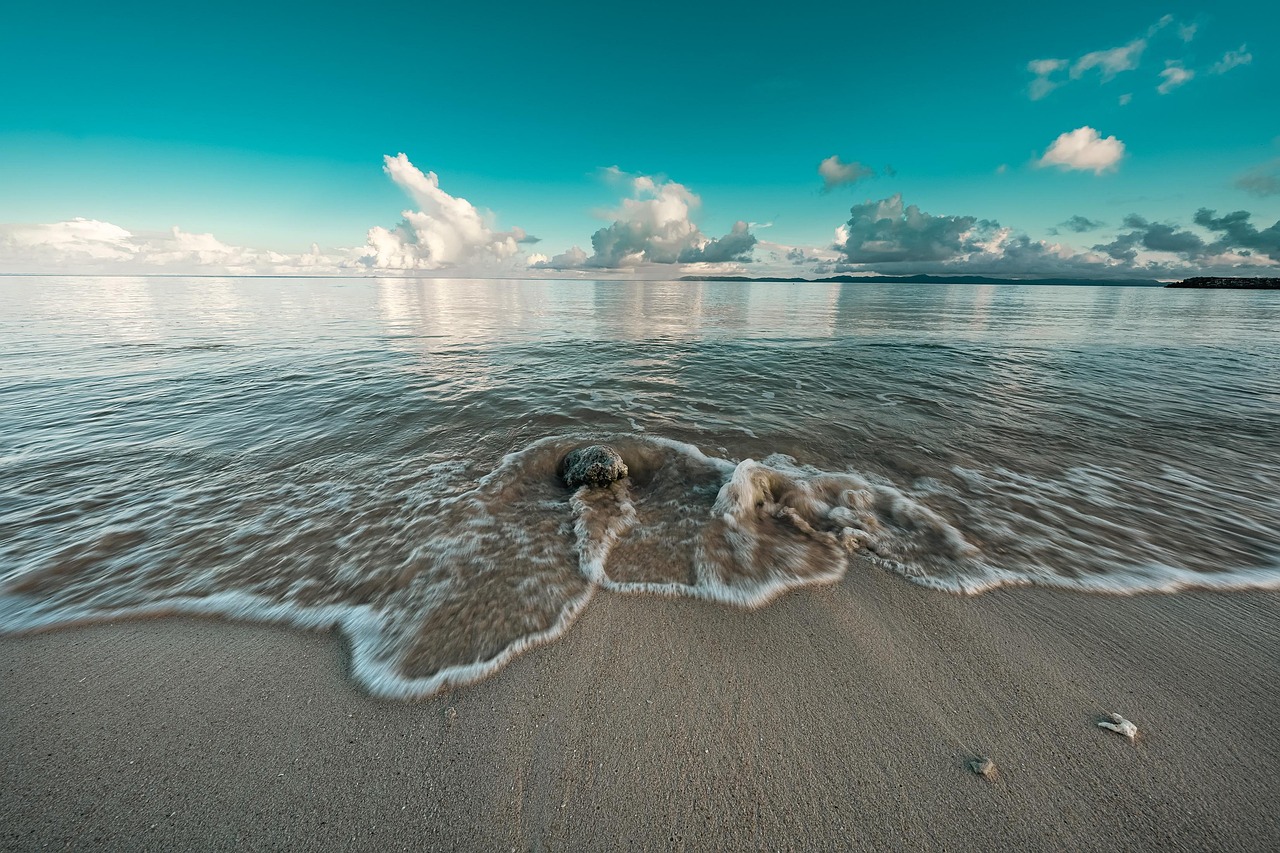
The coral reefs of the Yaeyama Islands (Ishigaki, Iriomote, Miyako) are considered by marine biologists to be significantly more diverse than most Hawaiian reef systems — a consequence of the Yaeyamas' position at the northern edge of the Coral Triangle, the center of global marine biodiversity. The specific species diversity (coral species, reef fish, large pelagics) available in Okinawa's outer islands exceeds what Hawaii's more isolated Pacific position can offer.
Cultural Specificity
The Ryukyuan cultural tradition — its specific music, performing arts, textile tradition, architectural heritage, and culinary culture — has no Hawaii equivalent. Hawaii's indigenous Hawaiian culture is significant and worth engaging with, but its relationship to the island's tourist infrastructure is more complex and in some ways more fraught than Okinawa's.
The Food Culture Advantage
Japan's food culture advantage in Okinawa is not simply that Japanese food is good. It is that the specific Okinawan food culture — champuru, soki soba, awamori, the extraordinary seafood of the Yaeyama waters, the local vegetable tradition — is genuinely distinctive and not available elsewhere. Hawaii has excellent food, but it is not distinctively Hawaiian in the way that Okinawa's food is distinctively Okinawan.
Where Hawaii Wins
Natural landscape variety: Hawaii's volcanic landscape — Kilauea's active lava flows, Haleakalā's summit caldera, the Na Pali coast cliffs — has no Okinawa equivalent. For visitors who want dramatic volcanic landscape as well as tropical beach, Hawaii is superior.
Surf culture: Hawaii's waves — the North Shore of Oahu, Peahi (Jaws) on Maui — are historically and practically the world's most significant surf breaks. Miyazaki and Chiba in Japan have surf culture, but not at Hawaii's level.
Language accessibility: For English-speaking visitors from outside Japan, Hawaii has the obvious advantage of being entirely English-language. Okinawa's English infrastructure is improving but is not equivalent.
Scale of outdoor activities: Big Island hiking, Kauai's Kalalau Trail, inter-island diversity — Hawaii's geographical variety across islands is greater than Okinawa's.
The Decision Guide
Choose Okinawa if:
- You are already in Japan and want to extend your trip
- Cost is a significant consideration
- Coral reef diving is a primary motivation
- Japanese food culture is part of the appeal
- You want a shorter trip (Okinawa works as 4–5 days)
Choose Hawaii if:
- You are traveling from North America or Europe (routing advantage)
- Volcanic landscape is a primary interest
- English-only travel comfort is important
- Surfing is a primary motivation
- You want a longer, more comprehensive Pacific island experience
Planning where to stay in Kyushu & Okinawa? Browse our honest hotel picks and area guides.
🏨 Planning where to stay?
Every area guide on this site pairs with honest, station-by-station hotel picks. Start here: Okinawa Hotel Guides →