This article may contain affiliate links. If you book through them, we may earn a small commission at no extra cost to you.
On this page
Introduction: The District That Defies Simple Description
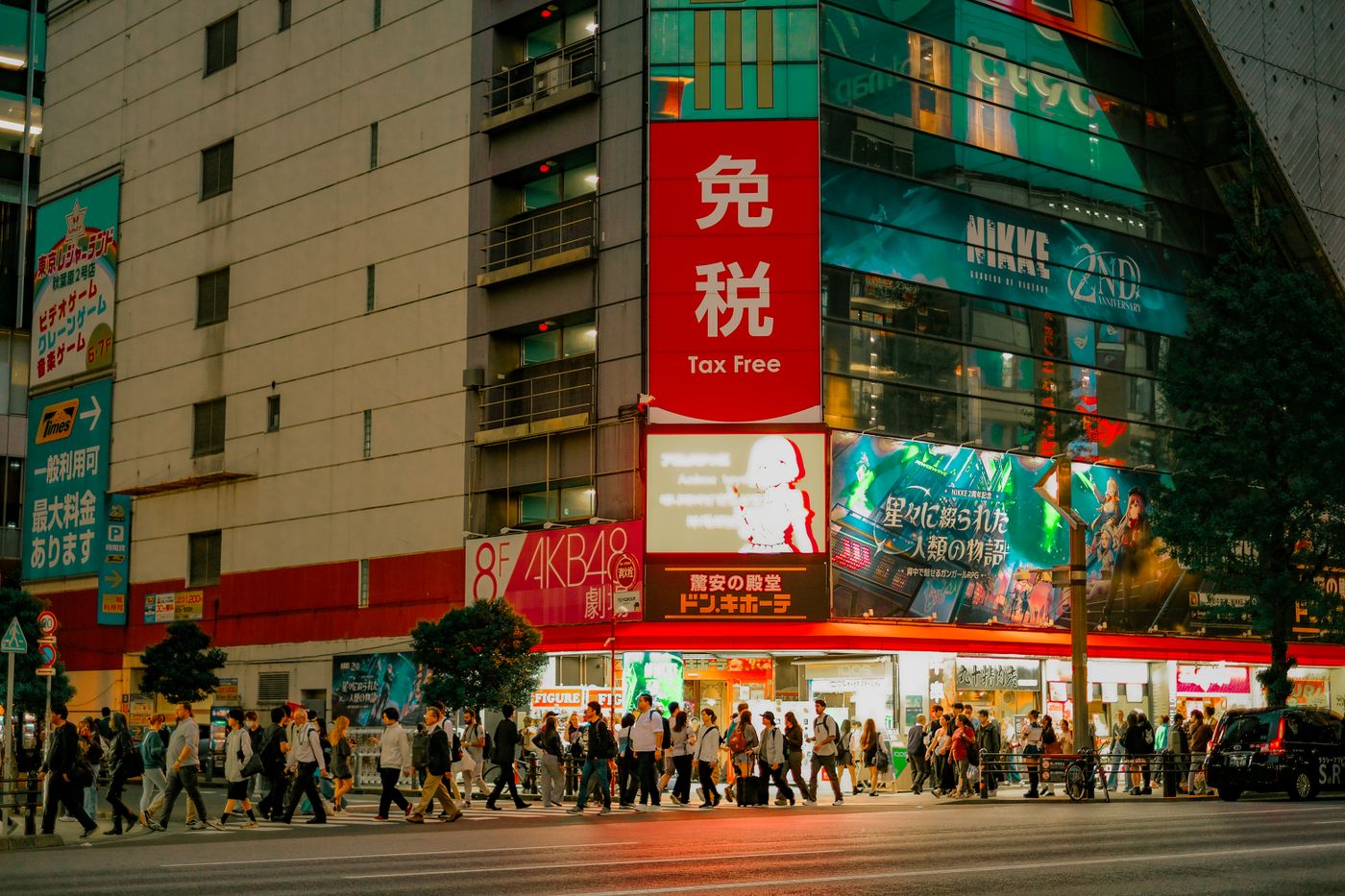
Akihabara (秋葉原) — abbreviated by its visitors as "Akiba (アキバ)" — occupies approximately 0.4 square kilometers in Chiyoda Ward between Kanda and Ueno, and contains one of the world's most concentrated assemblies of electronics retail, anime merchandise, video games, manga, maid cafés, idol venues, and the accumulated commercial infrastructure of Japanese popular culture fandom.
The district has a specific history that explains its current character: it developed as Tokyo's primary electronics market in the postwar period (the black market electronics trade after WWII settled in this area), transitioned through the personal computer revolution of the 1980s, and then experienced a fundamental transformation in the 1990s and 2000s as anime, manga, and game culture overtook electronics as the district's primary commercial identity. The electronics stores remain but are now joined by, and in many cases outnumbered by, the otaku (オタク) cultural economy.
Understanding the Layout
Akihabara's commercial geography is layered vertically as much as horizontally — the most interesting retail is often on upper floors of multi-story buildings that appear unremarkable from street level.
Chūō-dori (中央通り / main street): The primary commercial boulevard, running north-south through the district. The largest stores (Yodobashi Camera, Laox, the major Animate and Kotobukiya shops) are here, with visible, ground-level presence.
The side streets east and west of Chūō-dori: Where the more specialized, more interesting, and often more affordable retail exists — doujinshi stores, specialist figure dealers, the Mandarake branch, vintage game shops, and the specific small stores that require knowing they exist to find them.
The upper floors: Most significant Akihabara buildings contain multiple floors of distinct retail, each floor potentially a completely different commercial experience. Akihabara Radio Kaikan (ラジオ会館) is the emblematic example — eight floors of specialized otaku retail, each section distinct, the whole building a vertical mall of Japanese pop culture.
The Major Commercial Categories
Electronics (電気)
Yodobashi Camera (ヨドバシカメラ): The large Yodobashi Multimedia Akihabara building (one of the largest electronics retailers in Japan) anchors the district's original identity. Cameras, computers, audio equipment, and consumer electronics at competitive prices with the significant advantage of a tax exemption counter for foreign visitors.
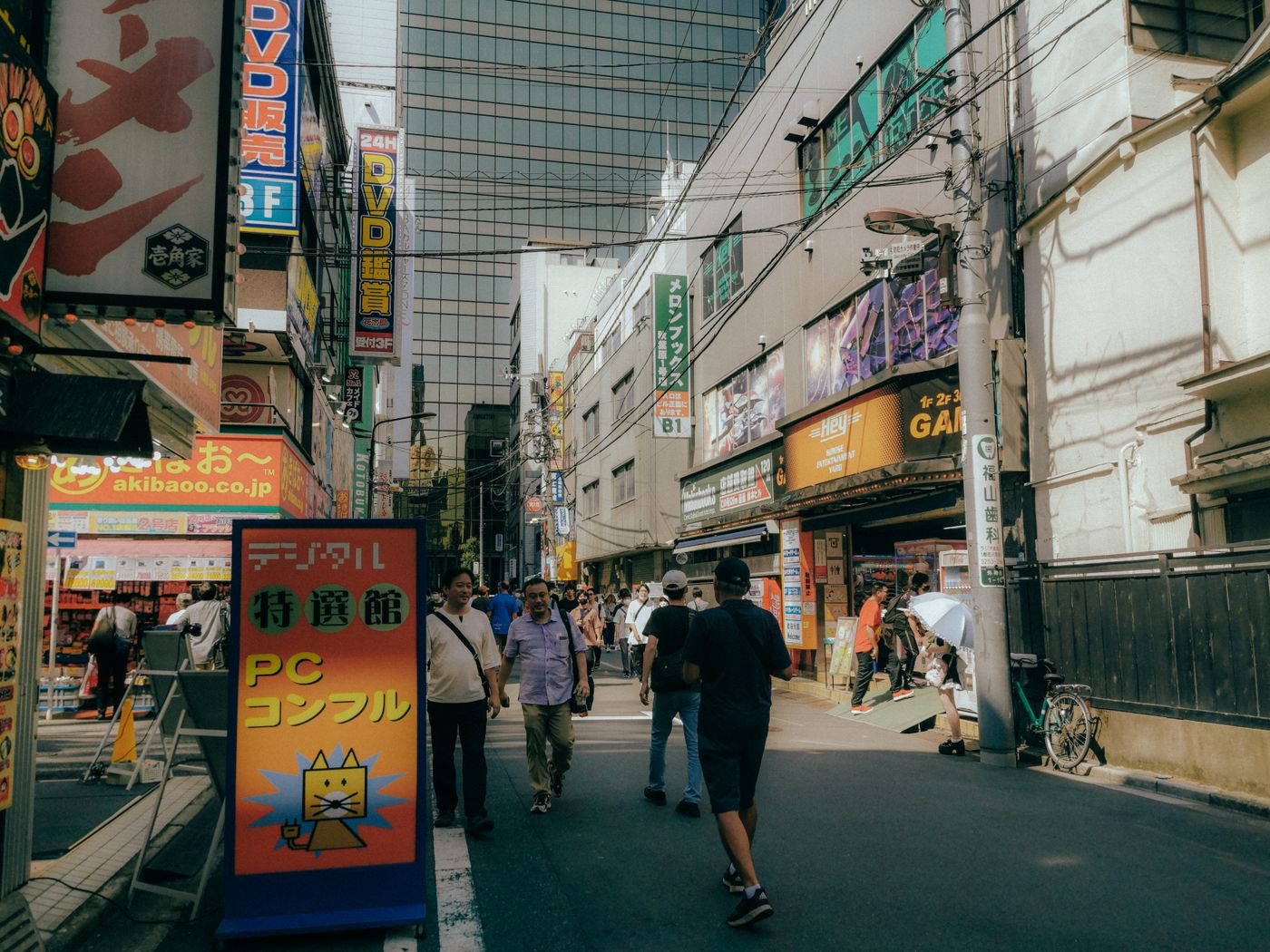
Small specialist electronics shops: The covered arcade beneath the JR railway tracks contains several small shops selling components, cables, and specialist electronics for hobbyists — this is where the original postwar electronics market character most directly survives.
Anime and Manga Retail
Animate (アニメイト) Akihabara: The major franchise anime goods chain's flagship location — the most comprehensive selection of official merchandise (figures, goods, audio releases) in the city.
Kotobukiya (コトブキヤ): The premium figure manufacturer's own shop — the most complete selection of their own products, often including Akihabara-exclusive limited editions.
Mandarake (まんだらけ) Akihabara: The secondhand manga, anime goods, and otaku media chain's Akihabara location — different from the Nakano Broadway flagship but covering complementary inventory.
Gachapon
GACHAPON KAIKAN (ガチャポン会館): A building dedicated entirely to gachapon machines — hundreds of machines across multiple floors representing the full current range of capsule toy product. The most comprehensive single gachapon facility in Japan.
Maid Cafés (メイドカフェ)
Akihabara's maid café culture — cafés staffed by waitresses in maid costumes who address customers as "master" (ご主人様 / goshujin-sama) and perform choreographed dances and interactions — is one of the district's most internationally discussed and most misunderstood elements. The cafés operate primarily as entertainment rather than food-service businesses — the food is secondary to the performative hospitality experience.
The touts: Multiple individuals on the street actively recruit customers for specific maid cafés. The standard advice is to avoid restaurants approached by street recruiters and instead choose based on research or visible establishment quality.
Recommended approach: Maidreamin (めいどりーみん) is the most internationally accessible chain — multilingual staff, clear pricing, the experience calibrated for visitors who have heard of maid cafés but aren't deeply embedded in the subculture.
Sunday Street Closure (歩行者天国)
On Sunday afternoons, the main Chūō-dori is closed to vehicles — the resulting pedestrian space fills with street performers, costumed visitors, and an increase in the outdoor social atmosphere of the district. The Sunday street closure is the most visually iconic version of Akihabara and worth timing a visit to coincide with.
Planning where to stay in Tokyo? Browse our honest hotel picks and area guides.
🏨 Planning where to stay?
Every area guide on this site pairs with honest, station-by-station hotel picks. Start here: Tokyo Hotel Guides →