This article may contain affiliate links. If you book through them, we may earn a small commission at no extra cost to you.
On this page
Introduction: The Hardest Easy Thing in Japan
At 5:00 AM in a Rinzai Zen temple in Kyoto, thirty people are sitting. They have been sitting for twenty minutes. They will sit for another forty. The room is cold — the sliding screens admit the pre-dawn air freely, and the stone floor conducts cold upward into the sitting cushions. The only sound is the occasional strike of the kyosaku (警策) — the flat wooden stick that the monitoring monk uses to strike practitioners across the shoulders when posture droops or attention wanders.
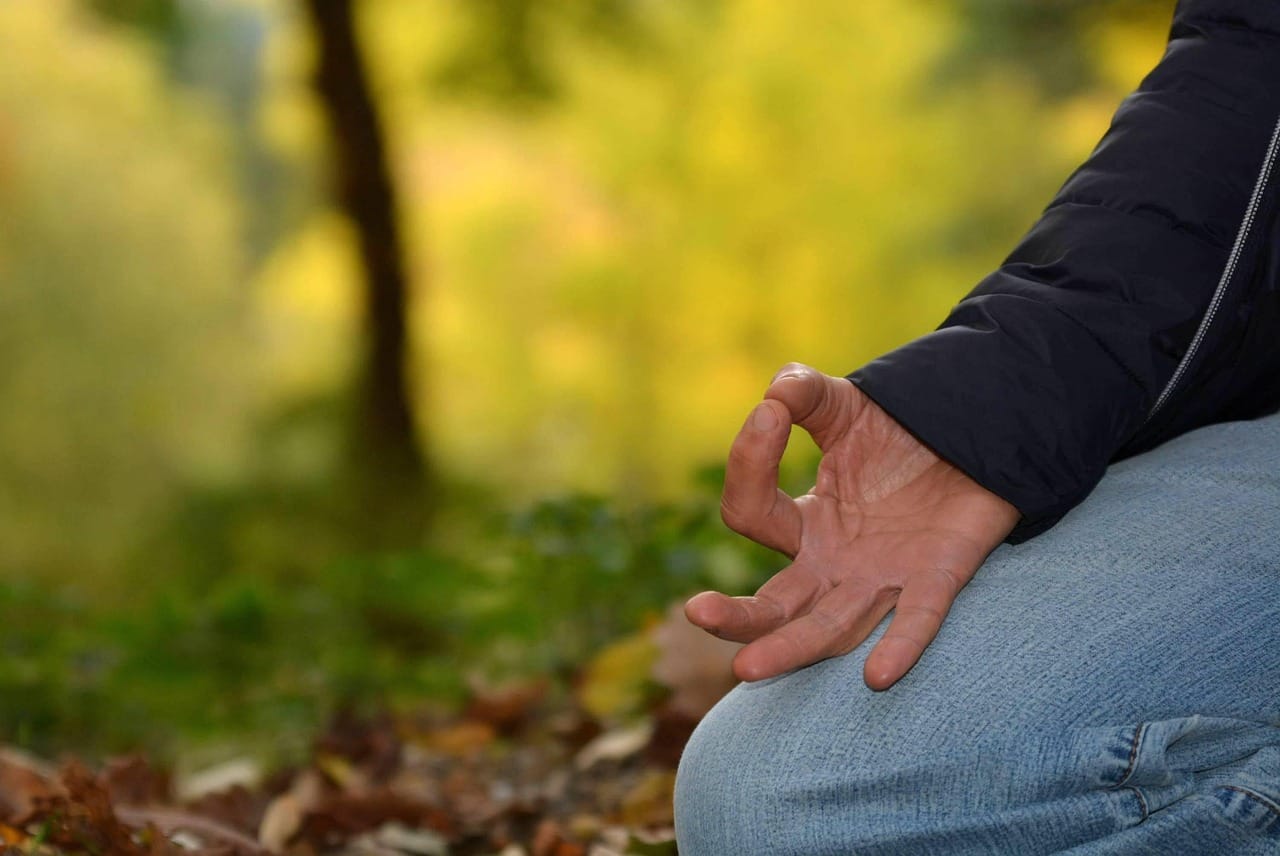
Zazen (坐禅) — Zen seated meditation — is one of the most disarmingly simple and most immediately difficult experiences available to visitors in Japan. The instruction is minimal: sit in the correct posture (legs crossed, spine vertical, hands in the hokkaijoin / 法界定印 mudra, eyes half-closed), breathe normally, and do not move. Nothing else is asked. Nothing else is possible without violating the exercise.
The difficulty is everything that happens next in the mind — the proliferation of thought, the awareness of physical discomfort, the desire to move, the counting of seconds, the gradual discovery that what seemed like a simple instruction is in practice a complete reorganization of one's relationship with experience.
Understanding the Two Zen Schools
The two principal Zen schools in Japan take different approaches to meditation practice, and the difference is relevant to visitor experience:
Rinzai Zen (臨済宗): The approach associated with kōan (公案) practice — the use of paradoxical questions (the most famous: "What is the sound of one hand clapping?") as objects of concentrated attention. Rinzai zazen tends to be more physically demanding — the sesshin (concentrated practice periods) are intense, the kyosaku is used actively, and the atmosphere is comparatively urgent. Rinzai is strongest in Kyoto (Daitoku-ji, Myōshin-ji, Nanzen-ji, Tofuku-ji) and Kamakura (Engaku-ji, Kencho-ji).
Sōtō Zen (曹洞宗): The approach associated with shikantaza (只管打坐) — "just sitting" — where the practice is simply sitting itself, without kōan objects and without specific goal. Sōtō zazen tends to be gentler in atmosphere, and the school's emphasis on the ordinary and everyday ("washing your bowl is zazen") creates a more accessible entry point for visitors. Sōtō is strongest in Fukui (Eihei-ji, the head temple) and throughout the country.
The Best Temples for Visitor Zazen
Daitoku-ji (大徳寺), Kyoto: Rinzai at Its Most Serious
Daitoku-ji — the vast Rinzai complex in northern Kyoto — offers zazen through several of its sub-temples. The most accessible for visitors is the program at Daisen-in (大仙院), which holds regular public zazen sessions and is accustomed to accommodating non-Japanese participants.
The experience at a Daitoku-ji sub-temple has a quality of seriousness unavailable at more tourist-oriented programs — the temple is genuinely in use, the monks who supervise the session are practicing monks rather than designated tourism staff, and the atmosphere of the meditation hall (typically unheated in winter) is the authentic one.
Practical access: Pre-registration is generally required; contact the specific sub-temple directly or through the Kyoto tourism office.
Engaku-ji (円覚寺), Kamakura: The Accessible Introduction
Engaku-ji in Kamakura — one of the five great Rinzai temples of the Kamakura area — holds regular Sunday zazen sessions open to the public without prior registration. The sessions are led by senior monks, instruction is provided in Japanese (with some English support), and the sessions are structured specifically to be accessible for first-time participants.
The temple setting — ancient cedar trees, moss-covered stone walls, the distant sound of Kamakura — provides the right physical environment for the practice, and the 90-minute format (orientation, two 25-minute sitting periods, brief dharma talk) is appropriate for beginners.
- Access: 10-minute walk from Kita-Kamakura Station (JR Yokosuka Line from Tokyo: 1 hour).
Eihei-ji (永平寺), Fukui: The Sōtō Head Temple
Eihei-ji — founded by Dōgen Zenji in 1244, head temple of the Sōtō school — is the most atmospherically powerful zazen destination in Japan, though it requires the most commitment from visitors. The temple's active monastic training program (approximately 200 monks in training at any time) creates an environment where visitor zazen participation feels genuine rather than performed.
The sanro program (参籠): Eihei-ji offers multi-day overnight stays (1–2 nights) that include full participation in the monastic schedule: 3:30 AM wake-up, morning service, zazen sessions, communal meals eaten in formal oryoki (応量器) style, samu (作務 / physical work) in the temple buildings. This is the most immersive available introduction to Zen monastic practice in Japan.
- Access: Bus from Fukui City: approximately 30 minutes.
Sōji-ji (總持寺), Yokohama: Urban Accessibility
The Sōji-ji in Tsurumi (Yokohama) — with Eihei-ji one of the two head temples of the Sōtō school — offers regular public zazen sessions in an urban location accessible without significant travel from Tokyo.
The Kyosaku: The Stick That Helps
The kyosaku (警策) — a flat, wooden board approximately 60–90 cm long — is used by the monitoring monk during zazen to strike practitioners who are drowsing, whose posture has collapsed, or who request it as a focus aid. The strike is delivered across the muscles of the upper back and shoulders rather than the spine, producing a sharp sensation that immediately refreshes attention.
The kyosaku is not punishment — in the Zen tradition, it is a gift of attention from the monitoring monk. First-time participants are sometimes startled by its sound (it is audible throughout the room when used elsewhere) and uncertain about its use. The appropriate response if the monk approaches with the kyosaku is to put your hands together in the gassho (合掌) gesture (both hands pressed together), bow your head, and accept the strike without pulling away. After the strike, gassho again in thanks.
Whether to request the kyosaku is a personal choice. Many experienced practitioners use it regularly; most first-time visitors prefer to observe.
What to Wear and Bring
Clothing: Loose, comfortable trousers (or culottes for women) — tight jeans make the required sitting positions painful. Layers are essential; meditation halls are typically unheated and the early morning is cold even in summer.
Food: Most programs recommend not eating for one to two hours before sitting — a full stomach makes the seated posture significantly more uncomfortable.
Expectations: The most useful preparation is releasing the expectation of immediate calm. Zazen in the first session is typically characterized by the discovery of how much the mind moves — a discovery that is, in the Zen tradition, itself the beginning of practice.
Recommended Base Hotels
- Hotel Granvia Kyoto (Mid-range / from ¥15,000): at Kyoto Station — an easy subway-and-bus base for early temple starts.
- Hotel Metropolitan Kamakura (Mid-range / from ¥18,000): by Kamakura Station, one JR stop from Kita-Kamakura and Engaku-ji.
- Fukui Prefectural area guesthouses (Budget / from ¥8,000): For Eihei-ji sanro program participants.
🏨 Planning where to stay?
Every area guide on this site pairs with honest, station-by-station hotel picks. Start here: Hotel Guides by Station →