This article may contain affiliate links. If you book through them, we may earn a small commission at no extra cost to you.
On this page
Introduction: The Country That Trusts Its Machines
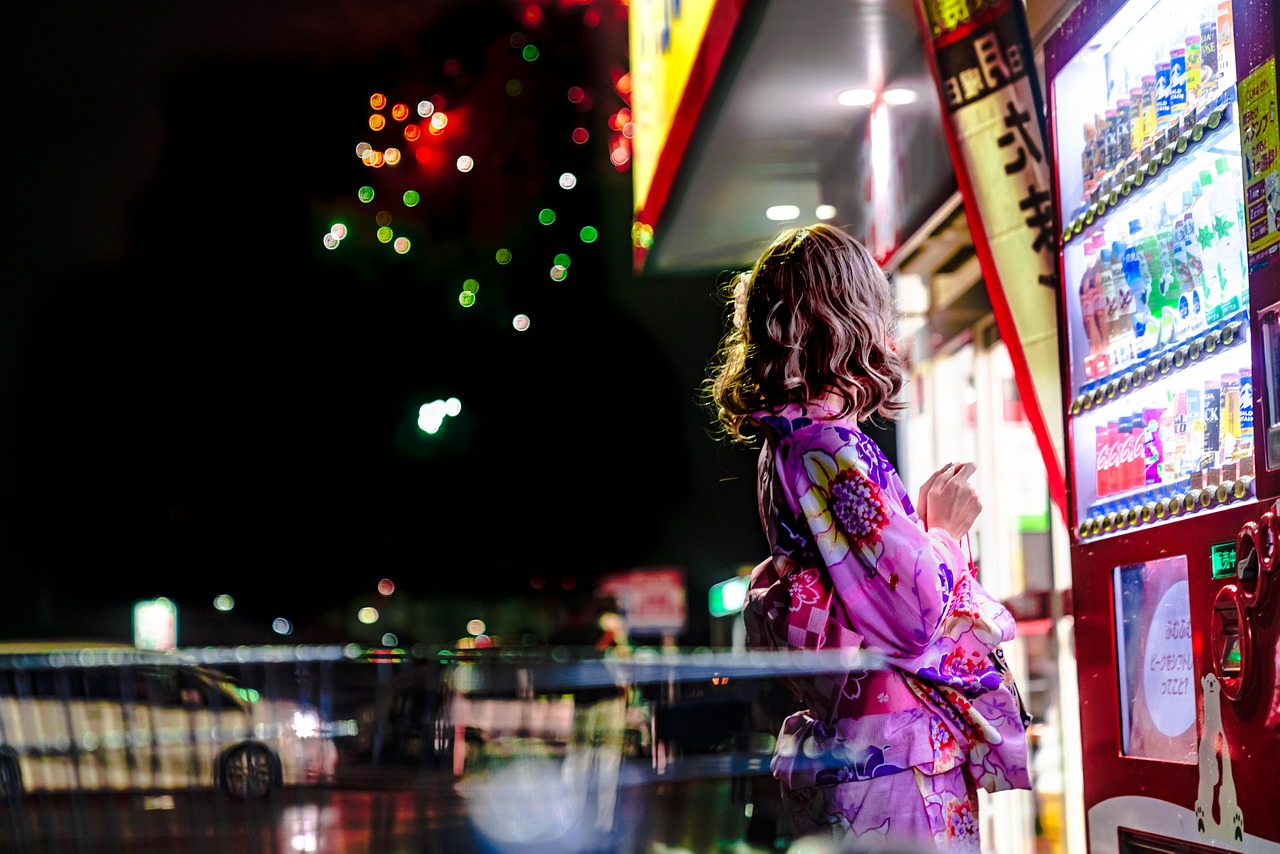
Japan has approximately 4 million vending machines — the highest density per capita in the world, at approximately one machine per 30 people. They operate in every environment: train station platforms, mountain hiking trails, temple approaches, hospital corridors, ski resort basecamps, empty rural roads where no other commerce exists for kilometers.
The Japanese vending machine is a cultural phenomenon as much as a commercial one — the combination of the country's high population density, the low crime rate that makes unattended machines viable, the cultural preference for transactional convenience over human interaction in commercial contexts, and the Japanese engineering tradition that applies serious quality standards to vending machine beverage production have created an institution unlike its equivalent anywhere else.
Hot and Cold: The Fundamental Japanese Innovation
The fundamental innovation of the Japanese vending machine — which established the template for the country's entire vending culture — is the simultaneous hot and cold function: the same machine dispenses some products hot (indicated by a red label on the product button) and some cold (indicated by a blue label). Hot drinks are maintained at approximately 55°C; cold drinks at 5°C.
This technology, developed in the 1960s, solved the specific Japanese problem of the cold winter — a worker who wants a hot coffee in December from the same machine that dispenses cold tea in August.
What's in the Machines
Beverages: The Standard
Standard vending machine beverages cover:
Coffee: Georgia (ジョージア) (Coca-Cola brand) and Boss (ボス) (Suntory) dominate the canned coffee category — pre-mixed coffee and milk in a can, available hot or cold. The quality is significantly better than equivalent products elsewhere, and the ritual of hot canned coffee on a cold platform is one of Japan's most ubiquitous sensory experiences.
Green tea (緑茶 / ryokucha): Multiple varieties — Oi Ocha (おーいお茶), Suntory Iyemon (伊右衛門), Kirin Gogo no Kocha (午後の紅茶) (technically black tea) — are the largest selling category in Japanese vending machines. Unsweetened green tea in a plastic bottle, cold from the machine, is the defining vending purchase of a Japanese summer.
Sports drinks (スポーツドリンク): Pocari Sweat (ポカリスウェット) and Aquarius (アクエリアス) — Japanese isotonic drinks with a lighter, less sweet profile than Western equivalents.
Beyond Beverages: The Eclectic Machines
Japan's vending machine culture extends well beyond drinks:
Cup noodles (カップラーメン): Machines dispensing instant noodle cups alongside hot water dispensers — the complete late-night meal solution, encountered at truck stops and highway rest areas.
Alcohol (アルコール): A shrinking but real category — beer, sake and chuhai (チューハイ) machines survive mainly outside small liquor shops and in hotel and ryokan corridors. Most require an age check, and many switch off automatically at 11:00 PM.
Ice cream (アイスクリーム): Refrigerated machines containing ice cream bars and cups — the Meiji Essel Super Cup (スーパーカップ) and Haagen-Dazs bars are standard offerings. Available throughout the year; popular on summer hiking trails.
Fresh produce: Select agricultural areas operate direct-from-farm vending machines selling fresh rice, eggs, and vegetables — the most distinctively Japanese expression of the format.
Insects (昆虫食): A small number of specialist machines in Tokyo and Osaka have begun offering insect-based snacks — the frontier of Japanese vending machine novelty.
Locating the Interesting Machines
Mount Fuji 5th Station: Multiple machines dispensing drinks at 2,305 meters elevation — notable for prices comparable to the city (¥150–¥200) despite the altitude.
Akihabara: Specialty drink machines including unusual flavor combinations and limited-edition products not available elsewhere.
Kyoto temple districts: Machines designed to match the traditional aesthetic of the surrounding architecture — brown lacquerwork machines that could almost pass as shrine fixtures.
Rural Shikoku: Along the Ohenro pilgrimage route, machines placed specifically to serve pilgrims in areas without other commerce.
The Payment Revolution: Cashless Vending
Japanese vending machines are transitioning rapidly to cashless payment. IC card tap payment (Suica, Pasmo, or equivalent) is now accepted at approximately 60% of machines — the same transport card used for trains can be tapped to buy a coffee without any cash transaction. QR code payment (PayPay, LINE Pay) is expanding further.
🏨 Planning where to stay?
Every area guide on this site pairs with honest, station-by-station hotel picks. Start here: Hotel Guides by Station →