This article may contain affiliate links. If you book through them, we may earn a small commission at no extra cost to you.
On this page
More Than a Photo of Sand
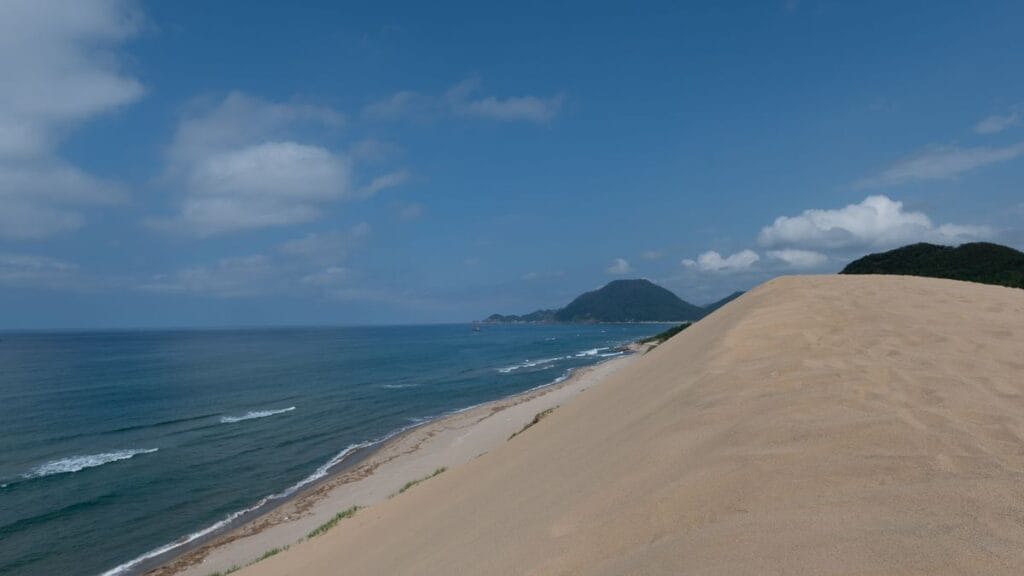
The Tottori Sand Dunes stretch sixteen kilometers along the Sea of Japan — the country’s largest accessible dune system, with slopes rising nearly fifty meters from beach to crest. Most visitors climb the “Uma no Se” (horseback) ridge, take the photo, and leave within an hour. Locals know the dunes as a playground and the surrounding coast as the actual masterpiece.
Doing the Dunes Properly
Go at the edges of the day
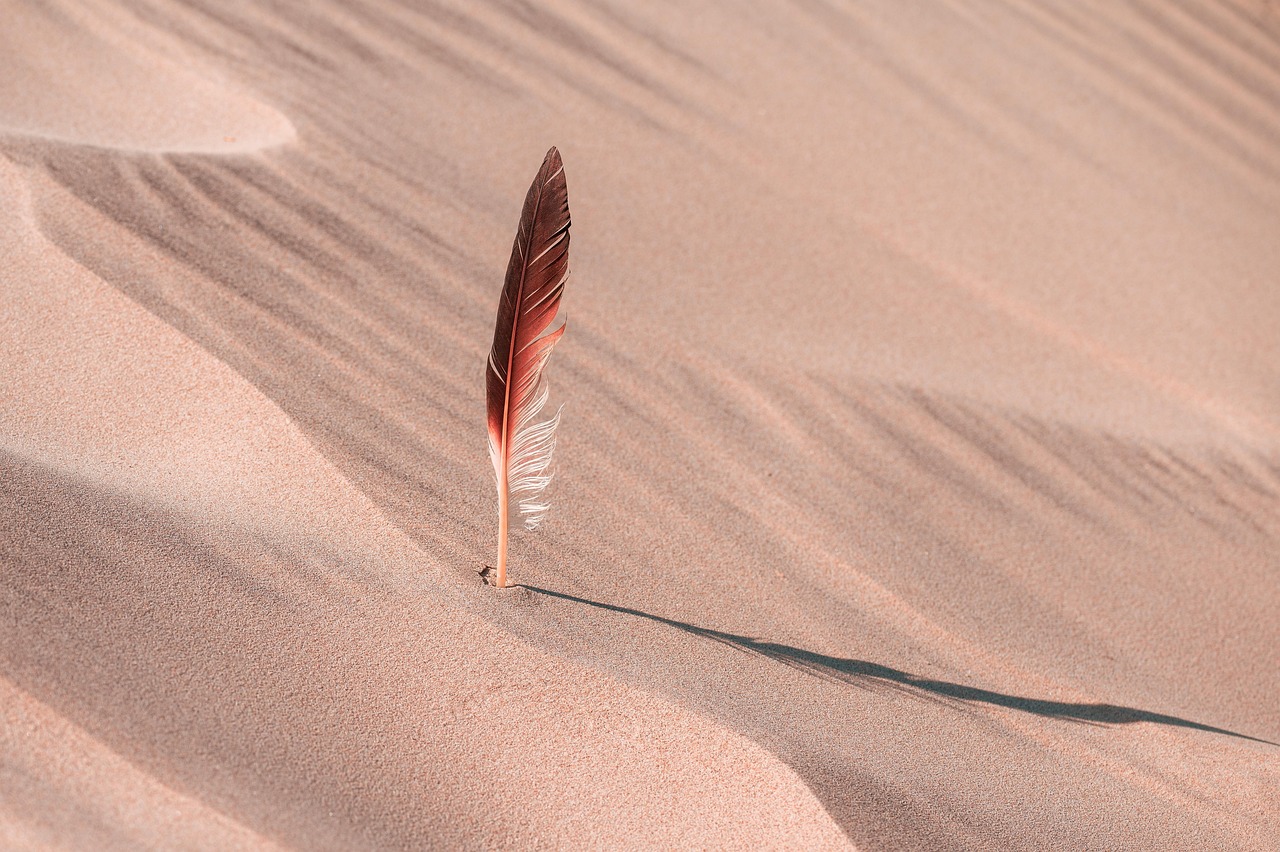
Dawn gives you untracked, wind-rippled sand (the overnight wind erases footprints); dusk gives the ridge in silhouette over the sea. Midday in summer, the sand exceeds 60°C — locals simply don’t go then.
Ride it
Sandboarding schools run sessions on the steep seaward faces — snowboarding’s slower, warmer cousin, beginner-friendly and cheap. Paragliding schools use the same slopes for first-flight lessons: soft landings guaranteed by design.
The Sand Museum
Beside the dunes, the world’s only permanent museum of sand sculpture commissions international carvers to build a new country-themed exhibition each year — cathedral-scale works of astonishing detail, deliberately destroyed and rebuilt annually. Locals rate it higher than the dunes themselves; they are not wrong.
The Coast Everyone Misses: Uradome
Fifteen minutes east, the Uradome Coast is the San’in Kaigan UNESCO Global Geopark’s show section — white granite islets, pine-topped sea stacks, and water with 25-meter visibility. Small cruise boats thread the arches, and summer sea-kayak tours slip into caves the boats can’t enter. It is Tottori’s answer to Matsushima, minus every crowd.
Practical Notes
- Access: Loop Kirin-jishi bus from Tottori Station (about 20 minutes); Uradome via Iwami Station or the same loop line in season
- Combined ticket: dunes visitor center rents boots in winter, sandals in summer — barefoot is the local’s choice
- The camel: yes, there are photo camels; treat them as the tourist toll they are
- Star bonus: Tottori brands itself the “Star-Taking Prefecture” — among Japan’s clearest night skies. The dunes after dark, moonless, are a free planetarium
Give the sand a sunrise, the museum an hour, and the Uradome Coast an afternoon, and Tottori’s coastline turns from a single photo into a full day you’ll defend at dinner parties.
🏨 Planning where to stay?
Every area guide on this site pairs with honest, station-by-station hotel picks. Start here: Tottori Hotel Guides →