This article may contain affiliate links. If you book through them, we may earn a small commission at no extra cost to you.
On this page
Introduction: The Train That Defines Modern Japan
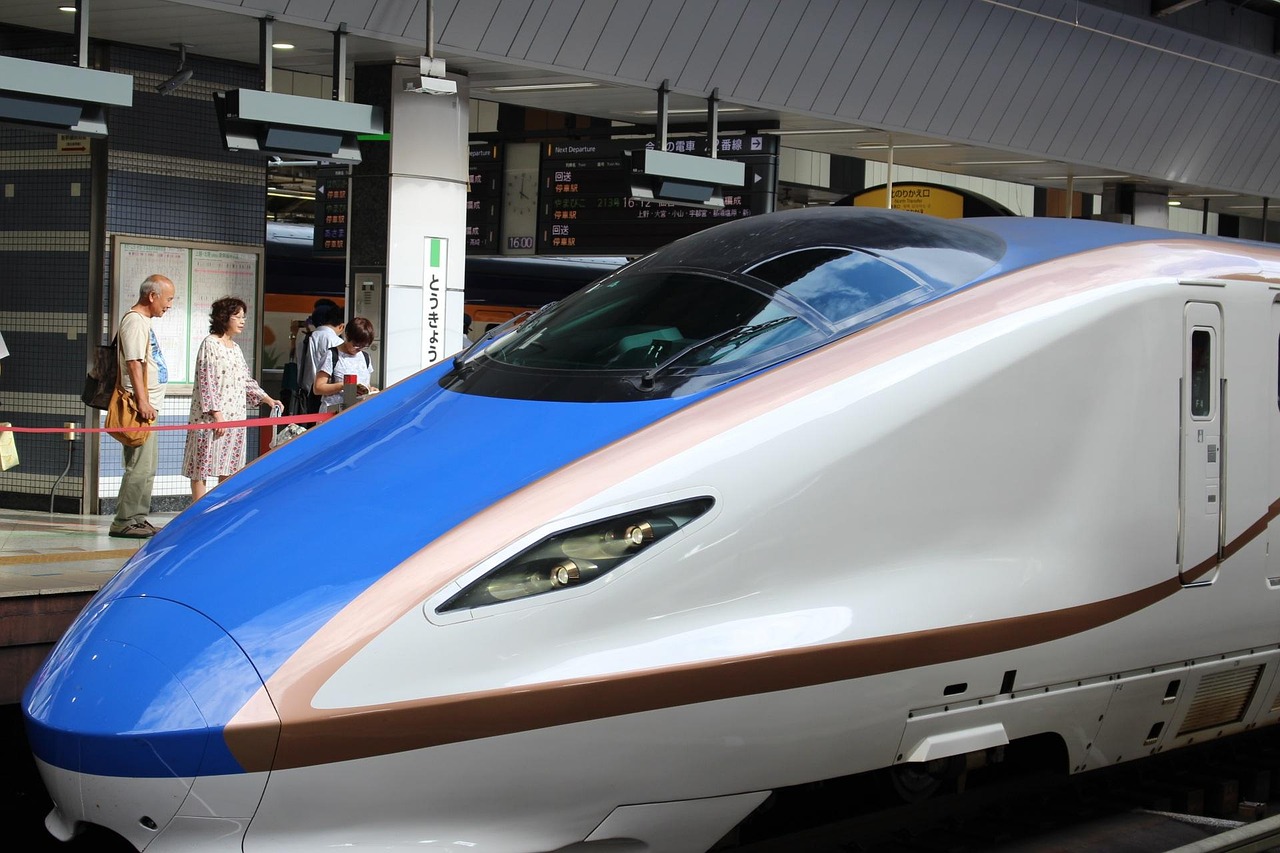
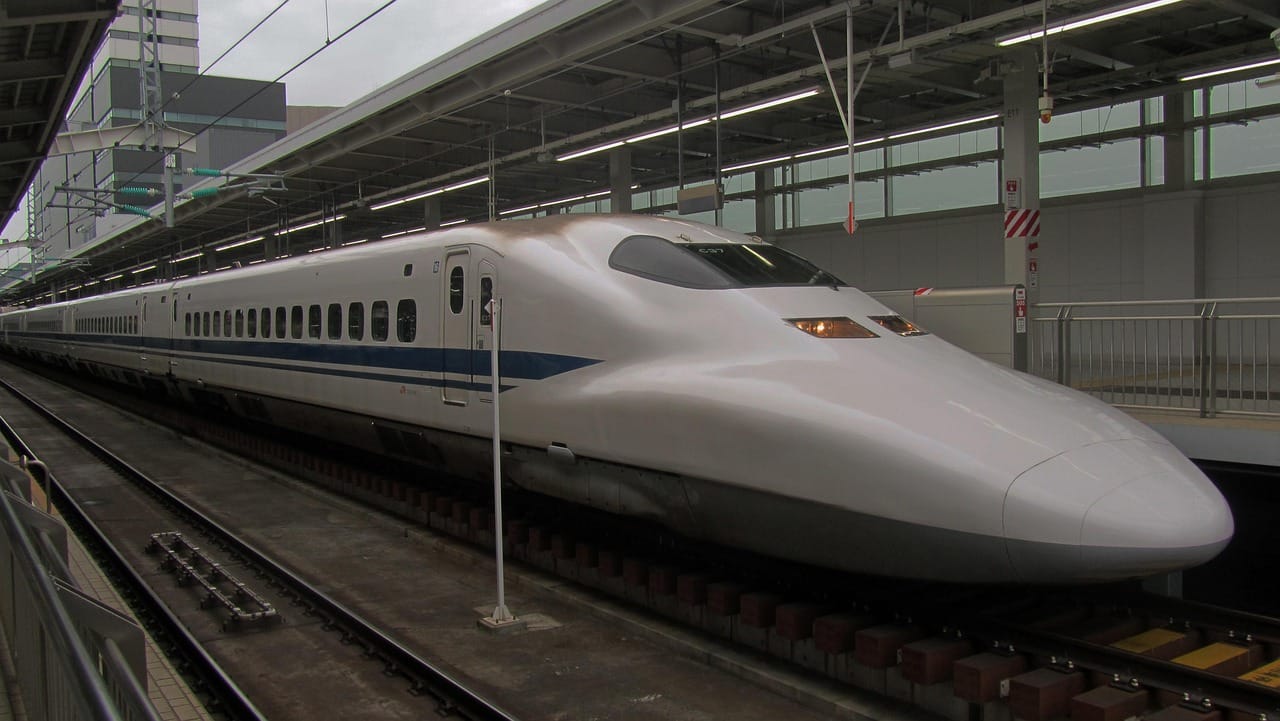
The Shinkansen (新幹線 / "new trunk line") — Japan's high-speed rail network, first opened between Tokyo and Osaka in 1964, now extending to most major cities from Kagoshima in southern Kyushu to Sapporo in Hokkaido — is simultaneously the world's finest high-speed rail system and one of Japan's most specific cultural environments. In 60+ years of operation, carrying billions of passengers, the Shinkansen has maintained a zero passenger fatality record from accidents while operating at speeds up to 320 km/h with a punctuality record that measures average delays in seconds.
The specific social environment of the Shinkansen — the seating categories, the food culture, the behavioral norms — is its own topic distinct from the engineering achievement.
Seating and the Recline Question
Reserved seating (指定席) on the Shinkansen allows seat selection at booking — the specific seat choice matters more than on most transport:
Window vs. aisle: The Shinkansen's wide windows and the view of the Japanese countryside passing at 250–300 km/h makes window seating generally preferable on scenic routes. The Mount Fuji view from seat E (the window on the right-hand side heading toward Kyoto) around Shin-Fuji is the most celebrated Shinkansen scenery moment — on the right leaving Tokyo, the left returning.
The recline convention: Shinkansen seats recline, and the etiquette around reclining reflects the broader Japanese preference for consideration: the norm is to ask the person behind you before reclining ("Otaoshi shite mo yoroshii desu ka? / お倒ししてもよろしいですか?") rather than simply reclining without notice. In practice this is not universally followed, but it remains the considerate approach.
Seat rotation (座席転換 / zaseki tenkan): Shinkansen seats can be reversed — the seatback pivots to face either direction, allowing groups of 2 or 4 to arrange face-to-face seating. The lever at the base of the seat performs this rotation.
The Ekiben Culture
Ekiben (駅弁 / "station bento") — boxed lunches sold at Shinkansen stations and aboard trains — is one of Japan's most developed food retail categories. The best ekiben represent regional culinary identity in compact form: buying the specific bento associated with your departure city or your destination is a specific Shinkansen ritual.
The platform vendors: Some Shinkansen stations (particularly older stations on the Tokaido line) maintain platform vendors who walk alongside the stopped train during brief station stops, selling ekiben through open windows — a practice now rare but still occasionally encountered.
The most famous ekiben:
Ikaho Onigirimeshi (碓氷峠の峠の釜めし): The釜めし-style bento served in a ceramic pot from the Yokokawa area — perhaps Japan's most famous ekiben, originally associated with the now-defunct Shinetsu Line mountain station but sold at various Shinkansen stations.
Makunouchi bento (幕の内弁当): The standard compartmentalized bento with rice, protein, pickles, and vegetables — available at every major Shinkansen station in regional variations.
Hakata Mentaiko Bento (博多明太子弁当): Fukuoka-specific spicy cod roe bento — the most regionally characteristic food available for Kyushu-bound Shinkansen passengers.
Onboard Behavior Norms
The silence: Shinkansen etiquette parallels regular train etiquette with specific additions:
Phone calls are avoided (step between cars if you must call)
Reclining seats with consideration of rear passengers
Keeping food smell to a minimum where possible (strongly flavored food is frowned upon in packed carriages)
The beer purchase: Purchasing a beer from the onboard vending cart — and opening it — is entirely normal on longer Shinkansen journeys. The beer trolley (ビールカート) attendant passing through the car is a Shinkansen institution.
The nap: Falling asleep on the Shinkansen is so common that the cars have specific quiet periods. The snoring, when it occurs, is tolerated within the general Japanese public transport tolerance framework.
The Cleaning Crew
One of the Shinkansen's most celebrated operational details is the 7-minute cleaning (7分間清掃) performed at Tokyo Station by the Tessei (テッセイ) cleaning team between arrival and departure:
A 22-member crew boards the train the moment it arrives at the terminus, flips seat headrests, collects garbage, wipes trays, turns seats for directional operation, and completes the full train-length cleaning in 7 minutes — choreographed to the second, because the Shinkansen departs on schedule regardless of cleaning completion. The Tessei team's performance has been filmed, studied internationally as an operations management case study, and treated with the reverence of skilled craft.
🏨 Planning where to stay?
Every area guide on this site pairs with honest, station-by-station hotel picks. Start here: Hotel Guides by Station →