This article may contain affiliate links. If you book through them, we may earn a small commission at no extra cost to you.
The Slope Where Two Tokyos Meet
Kagurazaka climbs from the old outer moat at Iidabashi up a single sloping main street, and along that slope two different histories coexist. It was one of Tokyo’s liveliest geisha districts in the early 20th century — a handful of geisha still work here — and in the postwar decades it became home to Tokyo’s French community, anchored by a French school and institute. The result is a neighborhood where stone-paved alleys hide both traditional ryotei restaurants and legitimate boulangeries, and neither feels out of place.
How to Walk It
Start at the bottom, but leave the main street quickly
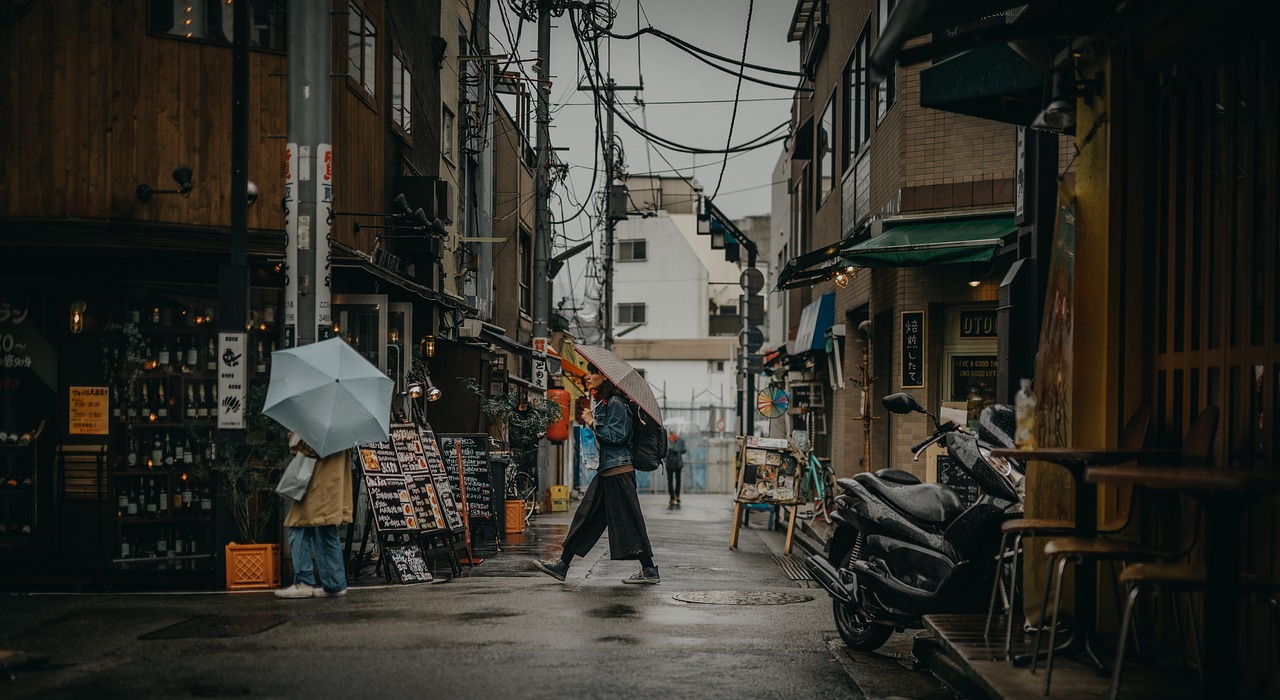
The main slope (Kagurazaka-dori) is pleasant but ordinary. The neighborhood’s soul is in the kakurenbo yokocho — the “hide-and-seek alleys” — stone-paved lanes just wide enough for two people, where black wooden fences conceal restaurants that once required an introduction to enter. Turn off at any point and get deliberately lost; the whole area is only a few hundred meters across.
Zenkoku-ji and the shrine circuit
The red gate of Zenkoku-ji temple anchors the mid-slope, and Akagi Shrine at the top — rebuilt with a glass-walled modern design by architect Kengo Kuma — shows how naturally this neighborhood mixes old and new.
Eat French, eat kaiseki, or both
Kagurazaka has one of Tokyo’s highest densities of French restaurants, from casual bistros to serious tables, alongside traditional Japanese restaurants in old geisha houses. Lunch is the smart way in: many expensive dinner spots serve accessible lunch courses.
Practical Notes
- Access: Iidabashi Station (JR Chuo-Sobu Line and four subway lines) at the bottom of the slope, or Kagurazaka Station (Tozai Line) at the top
- Best time: late afternoon into evening, when lanterns come on in the alleys
- Festival note: the Awa Odori dance takes over the main slope one weekend each July
- Photography: the stone alleys are residential and host working restaurants — shoot the lanes, not through windows
Kagurazaka rewards a slow pace and a willingness to double back. It is small, layered, and best understood as Tokyo’s proof that elegance does not require size.
Planning where to stay in Tokyo? Browse our honest hotel picks and area guides.
🏨 Planning where to stay?
Every area guide on this site pairs with honest, station-by-station hotel picks. Start here: Tokyo Hotel Guides →