This article may contain affiliate links. If you book through them, we may earn a small commission at no extra cost to you.
On this page
Introduction: Japan's Most Scenic Paddle
Japan's extraordinary coastline — 29,750 km of mainland coast plus the island chains of Izu, Okinawa, and the Seto Inland Sea — constitutes one of the world's finest sea kayaking environments. The combination of the dramatically sculpted volcanic coastline of the Izu Peninsula, the hundreds of islands of the Seto Inland Sea, and the crystal-water coral environments of the Okinawa and Yaeyama chains provides kayaking terrain ranging from gentle beginner routes to technically demanding open crossings.
The Three Principal Regions
Izu Peninsula (伊豆半島): Sea Caves and Volcanic Coast
The Izu Peninsula — 100 km south of Tokyo, facing the Pacific on three sides — provides the most concentrated sea kayaking terrain within easy reach of the capital. The peninsula's volcanic geology has sculpted the coastline into a succession of sea caves, arches, cliffs of basalt and tuff, and small beaches accessible only by water that create a coastal environment of extraordinary variety in short distances.
The caves: The Izu coast's most famous kayaking attraction is its sea cave system — multiple large caves accessible only from the water, their interiors lit by refracted blue-green light (similar to, and compared with, the Capri Blue Grotto). The Dogashima (堂ヶ島) area on the western Izu coast has the most famous cave system: three interconnected chambers accessible at low tide, the largest with an open skylight that illuminates the interior in a beam of direct sunlight.
Tour operators: Multiple kayak operators in Izu offer guided cave-exploration tours (half-day: ¥6,000 (approx. $40)–¥10,000 (approx. $67)) — the caves require specific timing (tide-dependent) and local knowledge that makes guided tours strongly preferable to independent exploration.
Shimoda Bay (下田湾): The southern Izu coast around Shimoda provides open-water paddling of a different character — the bay's turquoise water, its surrounding volcanic headlands, and the historical resonance of Perry's 1854 arrival in this exact water give the kayaking a narrative dimension.
Seto Inland Sea (瀬戸内海): Island Archipelago Paddling
The Seto Inland Sea — the sheltered body of water between Honshu, Shikoku, and Kyushu — is Japan's finest kayaking environment for multi-day island-to-island routes. The combination of protected water (sheltered from Pacific swell by the surrounding islands), navigational complexity (hundreds of islands providing both challenge and reward), and the specific culture of the island communities (traditional fishing villages, terraced citrus farms, the art island network of Setouchi) creates paddling of exceptional richness.
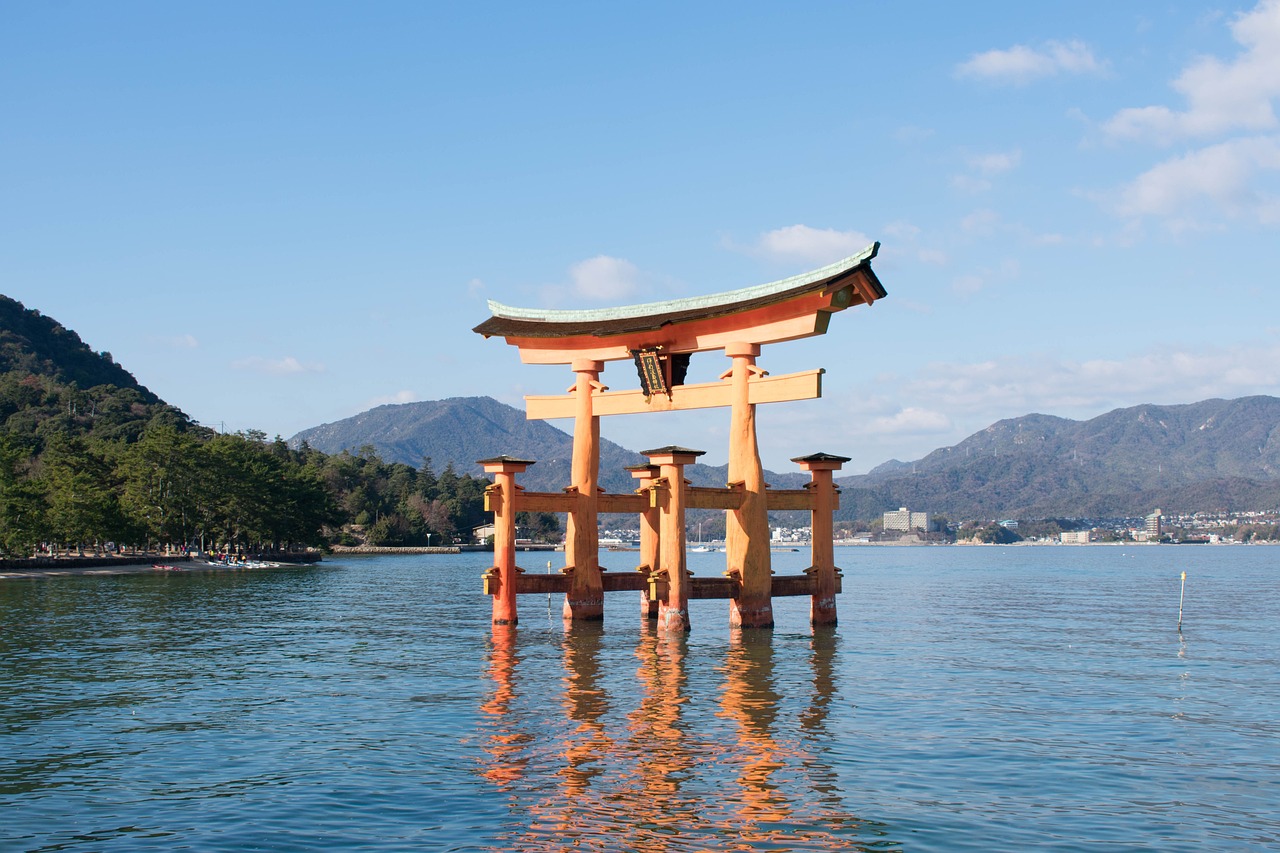
The Shimanami Kaido corridor: The island chain connecting Onomichi and Imabari (covered in the dedicated cycling article) is also the finest multi-day kayaking route in the Seto Inland Sea — the same islands, the same inter-island crossings, experienced at water level rather than bridge height. The perspective from a sea kayak in the channels between islands — looking up at the same bridges that cyclists cross above — is one of the most striking of any touring experience in Japan.
Tidal considerations: The tidal flows in the Seto Inland Sea are significant — the narrow straits between islands generate tidal currents that can exceed 5 knots and must be carefully timed. Local knowledge and current tables are essential for safe navigation.
Okinawa and the Yaeyamas: Tropical Paddling
The waters of the Okinawa archipelago — warm, crystal-clear, and rich with coral reef — provide sea kayaking in a completely different register from the volcanic coasts of Izu or the historical islands of the Seto. Here, the kayak serves as a platform for observing the underwater world rather than the coastal topography — the clarity of the Okinawan water (visibility often exceeding 30 meters) makes snorkel stops over coral gardens a standard part of any day's paddling.
Iriomote's mangrove rivers: Sea kayaking on Iriomote includes both open-sea paddling around the island's coast and the mangrove river experience covered in the dedicated Iriomote article. The combination of ocean paddling and river paddling within a single island makes Iriomote the most varied kayaking destination in the Okinawa chain.
Kerama Islands (慶良間諸島): The inter-island crossings of the Kerama group — 10–20 minute paddles between the small inhabited and uninhabited islands of the Kerama National Park — provide the most beautiful tropical kayaking in Japan. The water color in the Kerama lagoons, seen from a kayak at surface level, is the most intense available in Japan.
Practical Logistics
Equipment rental: Available at all three regions through tour operators. Full-day rental with equipment typically ¥8,000 (approx. $53)–¥15,000 (approx. $100) per person.
Guided vs independent: The Izu caves and Seto tidal channels strongly favor guided tours for safety; the Kerama open-water inter-island paddling is manageable independently for experienced sea kayakers.
Experience requirement: Most guided programs welcome beginners for the shorter (half-day) sessions. Overnight multi-day routes require previous paddling experience.
Recommended Base Hotels
- Shimoda area guesthouses (Budget / from ¥9,000 (approx. $60)): Izu Peninsula paddling base.
- Onomichi ONOMICHI U2 (Boutique / from ¥18,000 (approx. $120)): Seto Inland Sea paddling base.
- Zamami Island guesthouses (Budget / from ¥7,000 (approx. $47) per person): Kerama Islands paddling base.
Planning where to stay in Kyushu & Okinawa? Browse our honest hotel picks and area guides.
🏨 Planning where to stay?
Every area guide on this site pairs with honest, station-by-station hotel picks. Start here: Okinawa Hotel Guides →