This article may contain affiliate links. If you book through them, we may earn a small commission at no extra cost to you.
On this page
Introduction: The Flower That Comes Before the Famous One
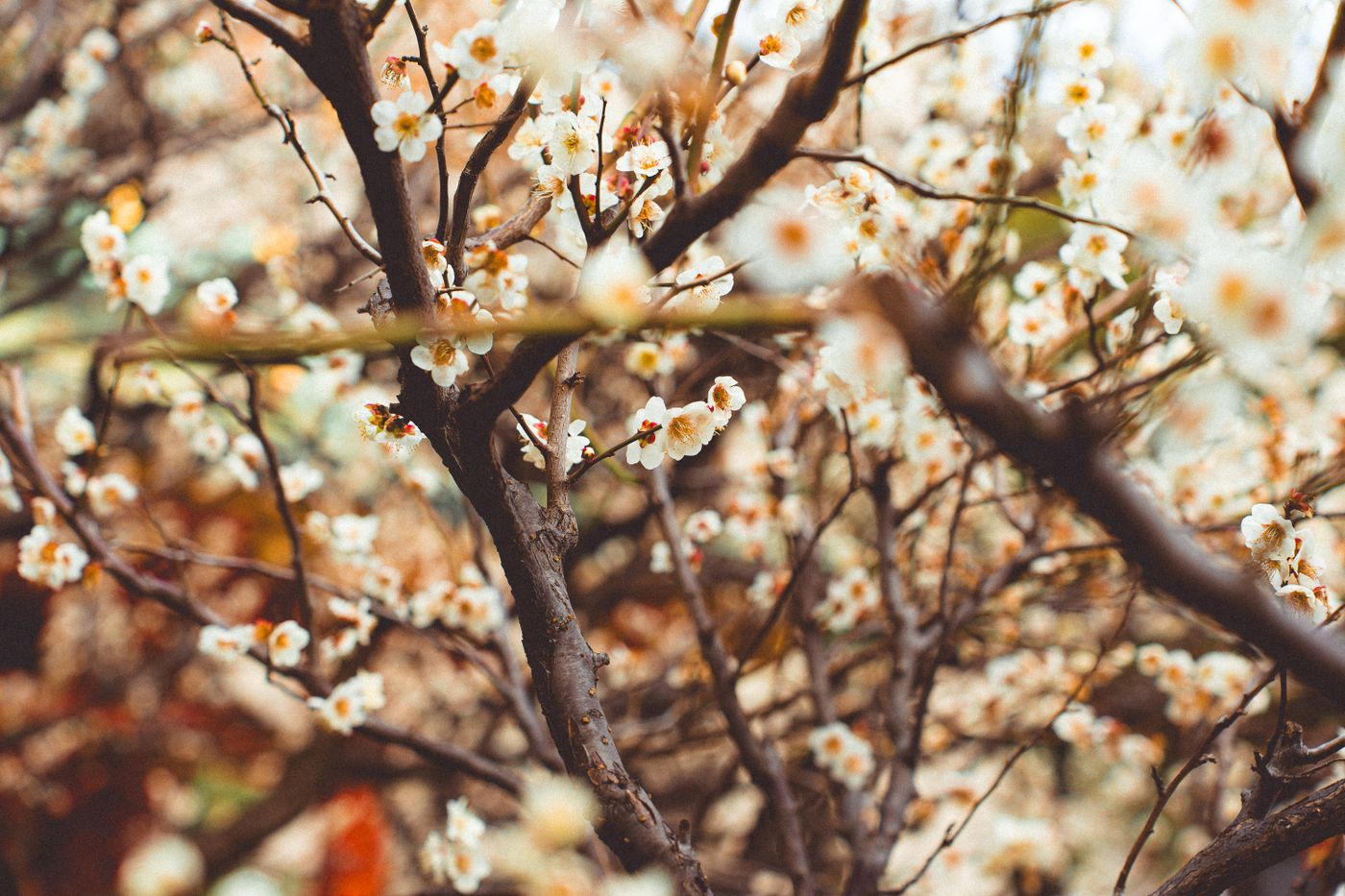
Before cherry blossom captures Japan's national attention each spring, ume (梅 / plum blossom) quietly blooms first — typically from late January through March, depending on region — providing a less internationally famous but historically and aesthetically significant flowering season that Japanese garden and poetry tradition has celebrated for even longer than cherry blossom.
In fact, in the earliest Japanese poetry anthology, the Man'yōshū (万葉集, 8th century), plum blossom (ume) is referenced more frequently than cherry blossom (sakura) — the cultural primacy of sakura developed later, in the Heian period, while ume retained its earlier significance as the symbol of resilience (blooming while snow may still be present) and refined scholarly culture (the plum's association with Chinese literati aesthetics, which the early Japanese court emulated).
Why Plum Blossom Deserves Attention
The fragrance: Unlike cherry blossom, which has minimal scent, ume blossoms are distinctly and pleasantly fragrant — walking through a plum grove at peak bloom involves a sensory dimension entirely absent from sakura viewing.
The earlier season: Ume's blooming period (typically 4–6 weeks before cherry blossom in any given region) provides a genuine extension of Japan's flowering season for visitors who arrive too early for sakura or who want to experience two distinct flowering seasons within a single extended trip.
The crowd advantage: Ume viewing (梅見 / umemi) draws a fraction of cherry blossom's crowds — even at Japan's most significant plum gardens, the atmosphere remains contemplative rather than densely crowded.
Atami Plum Garden (熱海梅園)
Atami Baien — within the hot spring resort city of Atami, covered in the dedicated Izu Peninsula article — is one of Japan's earliest-blooming significant plum gardens, with approximately 470 trees of 60 varieties that begin flowering as early as late December, reaching peak bloom typically in late January to mid-February.
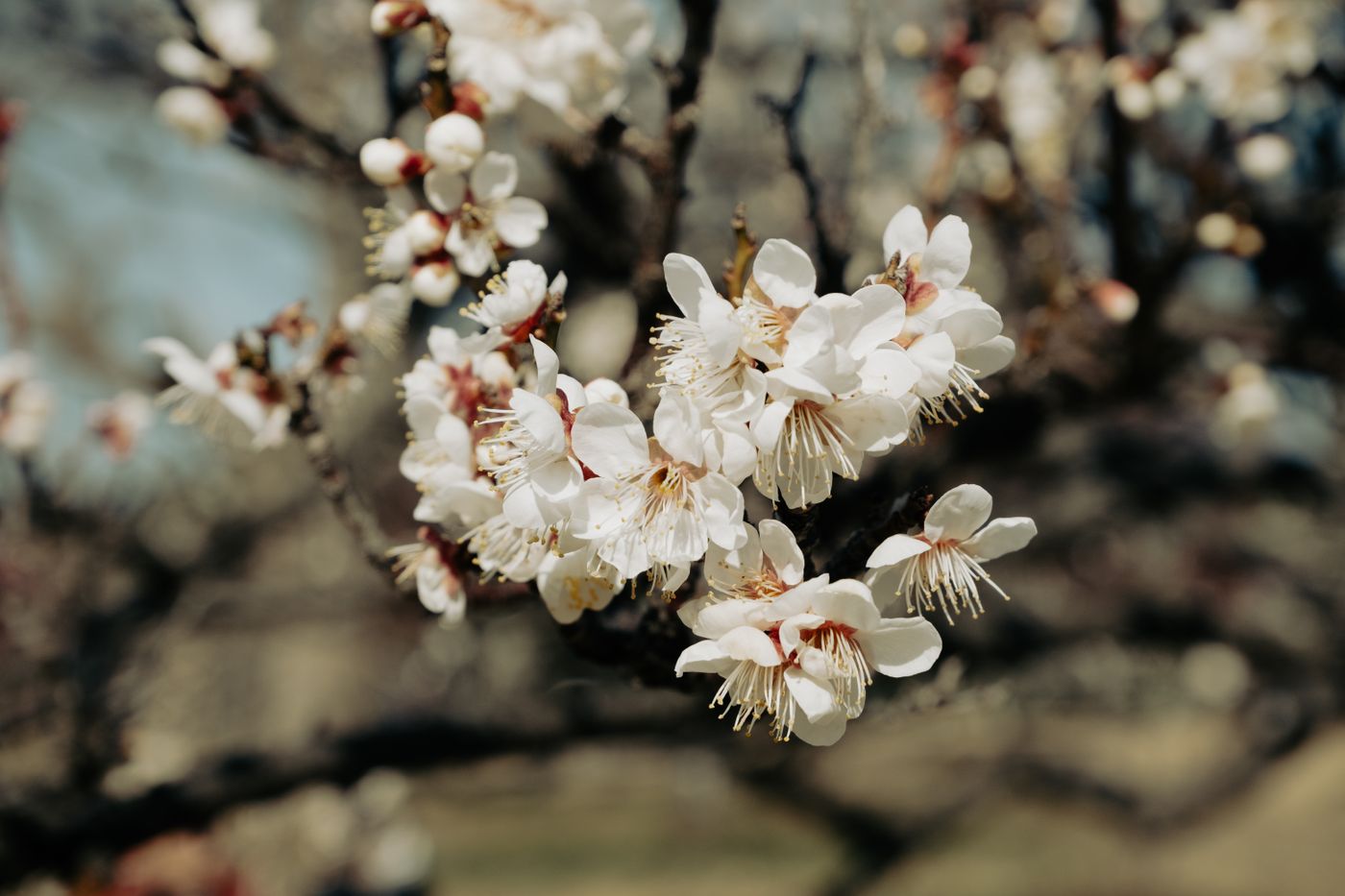
Why Atami blooms early: The city's mild coastal microclimate (warmed by the Kuroshio current and protected by surrounding hills) produces some of the earliest significant flowering in mainland Japan — the garden's earliest trees can bloom over a month before equivalent Tokyo-area plum gardens.
The Atami Plum Festival (熱海梅まつり): Held annually from approximately mid-January through early March, with food stalls, evening illumination, and the specific Atami onsen-town combination of flower viewing and hot spring relaxation.
Odawara Sogenji Plum Grove (小田原)
Odawara, near the base of the Hakone mountains, has several significant plum viewing locations including the grounds around Odawara Castle, where approximately 35 plum trees create a modest but pleasant display combined with the castle's historical architecture.
Soga Bairin (曽我梅林): A larger commercial plum grove in the Soga area near Odawara — approximately 35,000 trees across a substantial agricultural landscape, providing the most extensive single plum blossom experience in the greater Tokyo region. The scale here is closer to an agricultural landscape than a formal garden — rows of plum trees extending across the valley floor with Mount Fuji visible in the distance on clear days.
Kairaku-en (偕楽園), Mito
Covered in the dedicated article — Kairaku-en's 3,000 plum trees, blooming from late February through late March, represent the most celebrated formal plum garden experience in Japan, one of the Three Great Gardens specifically built around its plum collection.
Yushima Tenjin (湯島天神), Tokyo
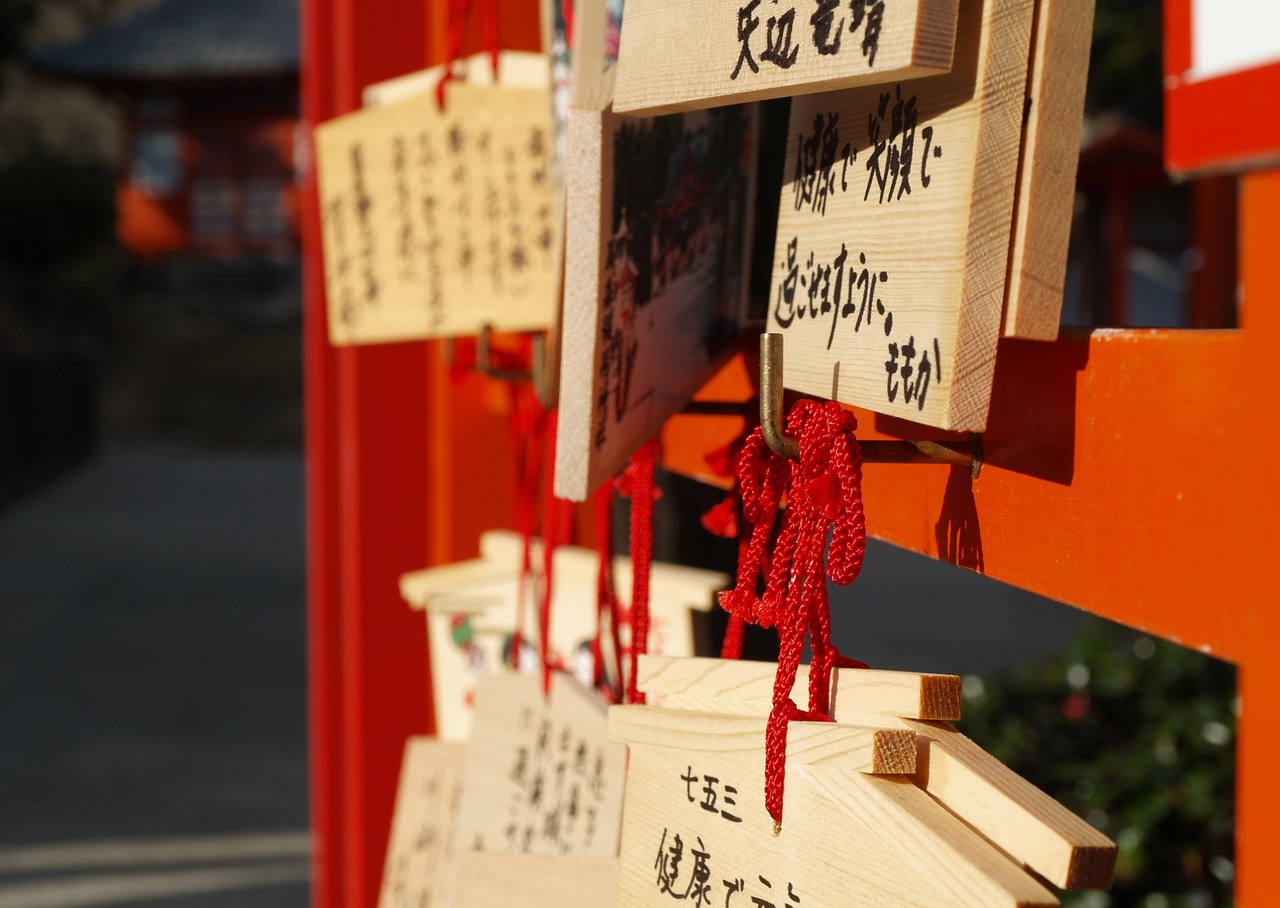
A small but significant shrine in central Tokyo, dedicated to the deity of learning (the same Sugawara no Michizane referenced in the Dazaifu Tenmangu article) — the shrine's approximately 300 plum trees provide central Tokyo's most accessible significant plum viewing, with the Yushima Tenjin Plum Festival running from early February through early March.
Recommended Base Hotels
- Atami Kaihourou (Mid-range / from ¥22,000 per person): Atami resort hotel, sea views, plum garden access.
- Odawara area business hotels: For Soga Bairin access.
Planning where to stay in Kanto? Browse our honest hotel picks and area guides.
🏨 Planning where to stay?
Every area guide on this site pairs with honest, station-by-station hotel picks. Start here: Kumamoto Hotel Guides →