This article may contain affiliate links. If you book through them, we may earn a small commission at no extra cost to you.
On this page
Introduction: The Venice of Hokkaido
Twenty-seven minutes by train from Sapporo, the former herring port of Otaru (小樽) occupies a position in Hokkaido's cultural geography disproportionate to its modest size. The city of 120,000 is primarily visited for three things: its historic canal district of converted stone warehouses, its extraordinary concentration of sushi restaurants (feeding a city whose entire identity was historically built on fishing), and its tradition of glass craftsmanship (developed from the glass fishing floats the herring industry required).
The combination of these three elements — along with the winter snow that makes the canal district genuinely beautiful from December through March — makes Otaru one of the most rewarding half-day to full-day excursions from Sapporo, and a destination with enough depth for overnight visits in all seasons.
The Otaru Canal (小樽運河): The Historical Heart
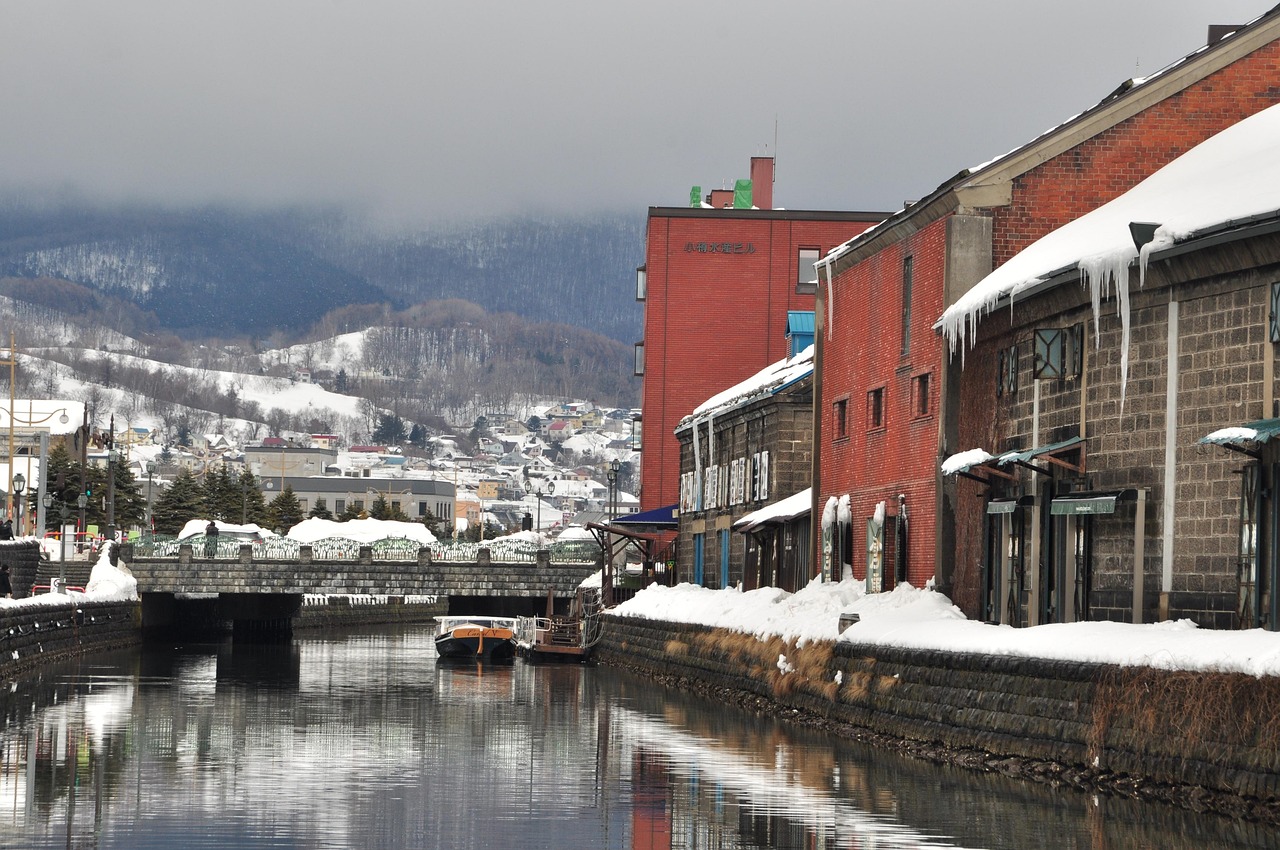
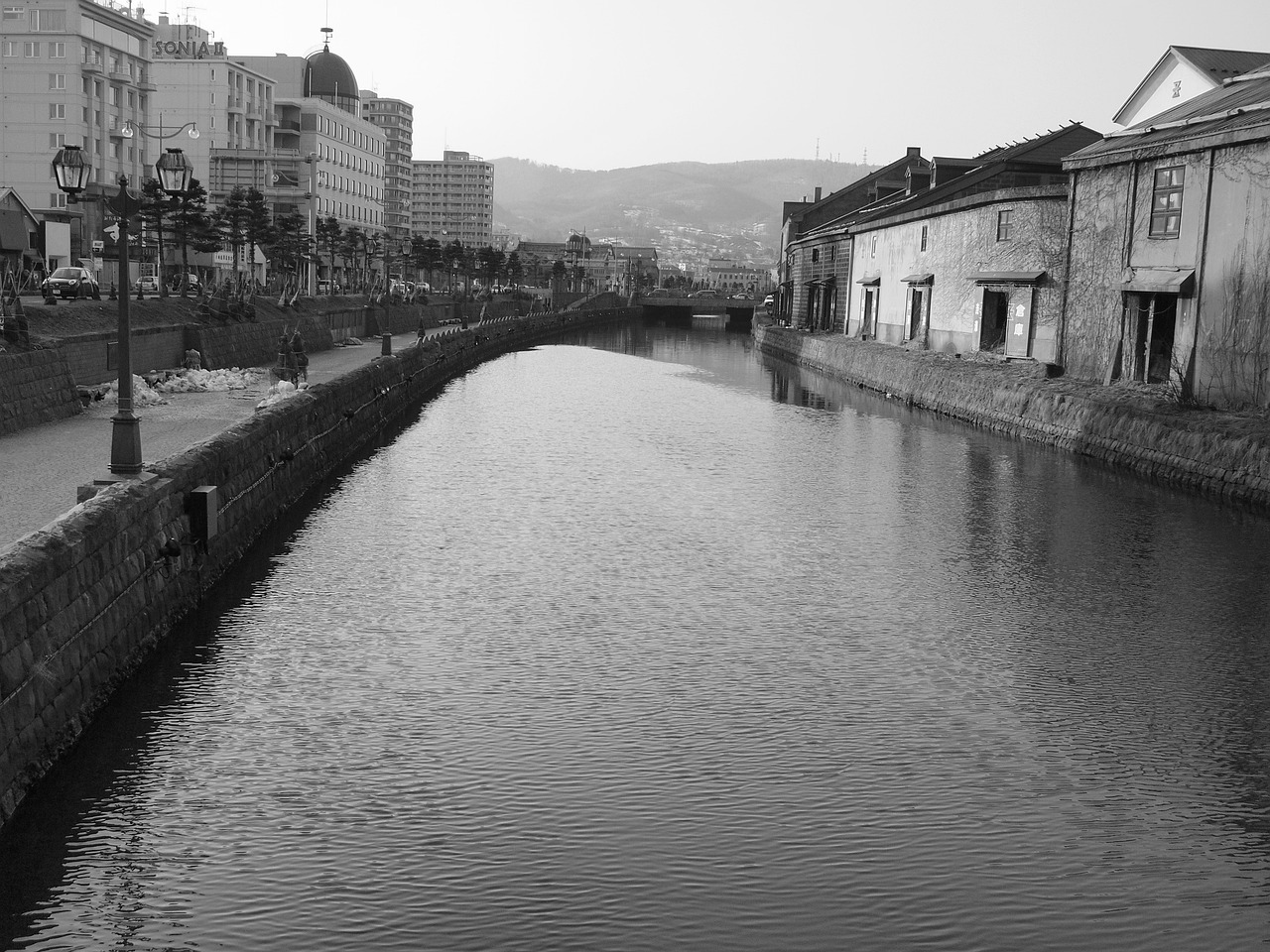
Otaru Canal — 1,140 meters of stone-lined waterway connecting the port area with the warehouse district — was built between 1914 and 1923 as a logistics infrastructure for the herring fishing industry. At its peak, Otaru was one of the most economically significant ports in Hokkaido, processing and shipping the enormous herring catches from the surrounding sea.
The herring industry collapsed in the 1950s (the shoals disappeared from Hokkaido's waters for reasons still not entirely understood), and Otaru's port declined. The warehouses fell silent. In the 1970s and 1980s, the city debated filling in the canal to make way for a road — the outcome of this debate (a compromise that narrowed but preserved the canal) produced the historic preservation that makes Otaru's canal district what it is today.
The warehouse district: The stone warehouses lining the canal — now converted to restaurants, cafés, shops, and the famous Kitaichi Glass (北一硝子) complex — have an authenticity unusual in Japanese heritage preservation because the buildings are genuinely old (early 20th century) and functionally reconverted rather than reconstructed. The physical quality of the stone (large blocks from local quarries), the proportions (three to four stories, deep-set windows), and the patina of use give the district a solidity that newer heritage developments cannot replicate.
Winter Canal Illumination (運河のライトアップ)
In winter, particularly during the Otaru Snow Light Path Festival (おたる雪あかりの路) held in early February (approximately two weeks before and overlapping with the Sapporo Snow Festival), hundreds of wax candles and snow lanterns are placed along the canal banks and throughout the city's historic streets.
The effect — warm candlelight reflecting in the canal water, the stone warehouses lit from below, snow falling gently or already accumulated on every surface — is one of the most beautiful urban winter scenes in Japan. The Otaru festival is less famous than the Sapporo Snow Festival but produces a more intimate and atmospheric experience, and the two events can be combined in a single Hokkaido winter trip.
Sushi in Otaru: Why This City Does It Better
Otaru's claim to being one of Japan's finest sushi cities rests on a simple supply chain argument: the fish comes from the surrounding sea to the restaurants without the intermediate logistics that reduce freshness in landlocked or distant cities. The Sea of Japan (日本海) and the Sea of Okhotsk (オホーツク海) produce Hokkaido's extraordinary seafood, and Otaru's position as a processing and distribution center gives its sushi restaurants access to the freshest product available.
The city's Sushi Street (寿司屋通り) — a single block of approximately 15 sushi restaurants in the Hanazono district — is Japan's most concentrated sushi district by restaurant density. The competition among these restaurants has produced a standard of quality and freshness that the city's food reputation is built on.
What to order in Otaru:
Bafun Uni (馬糞ウニ / Short-spined sea urchin): The premium Hokkaido uni variety — darker in color than the more common Murasaki uni, with a richer, sweeter, more complex flavor. The Hokkaido-sourced bafun uni available fresh in Otaru is the finest available in Japan.
Hokkigai (ホッキ貝 / Surf clam): A large shellfish native to Hokkaido's cold waters, served raw or lightly blanched. The sweetness and firm texture of fresh hokkigai is unavailable outside Hokkaido.
Ikura (いくら / Salmon roe): Hokkaido produces Japan's finest salmon roe — the large, individual pearls bursting with the characteristic salty-oceanic flavor. Fresh ikura in season (September–November) is at its best in Otaru.
Glass Art: Otaru's Craft Heritage
Otaru's glass tradition originated practically — the herring fishing industry required enormous quantities of glass fishing floats to suspend nets at the correct depth, and Otaru developed glassblowing capacity to supply this demand. When the herring industry collapsed, the glassworkers adapted their skills to decorative and craft production.
Kitaichi Glass (北一硝子): The most famous of Otaru's glass establishments — a complex of three interconnected historical warehouses filled with glass products from utilitarian to decorative, a café (the Kitaichi Hall, lit entirely by 167 kerosene lamps), and several working studios. The scale and quality of the collection make this more than a souvenir shop — it is a glass museum in the form of a retail experience.
Venetian Art Museum (ヴェネツィア美術館): A dedicated museum and glass art gallery housed in a building modeled on a Venetian palazzo — an unlikely institution for a Hokkaido port city that makes more sense when you know the historical glassblowing connection.
Glass-blowing workshops: Multiple studios offer 30–60 minute glass-blowing experience sessions for visitors — creating a small glass piece under instruction and taking it home is one of Otaru's most popular tourist activities.
Otaru Music Box Museum (小樽オルゴール堂)
Otaru's Music Box Museum (小樽オルゴール堂) — an 1891 rice warehouse converted into a multi-level music box showroom containing thousands of music boxes from the simple to the extraordinarily elaborate — is one of those Japanese tourist attractions that exceeds the expectations that its description generates. The combination of the building itself (genuine Meiji-era warehouse architecture) and the layered sound of hundreds of music boxes playing simultaneously creates an atmosphere of concentrated nostalgic beauty unique to this single location.
Recommended Base Hotels
- Otaru Asari Classe Hotel (Mid-range / from ¥15,000): Canal district location, ski resort access.
- Dormy Inn Otaru (Mid-range / from ¥11,000): Natural hot spring, central location.
- Stay in Sapporo for day trips: All Sapporo hotels are within 27 minutes by train.
Planning where to stay in Hokkaido? Browse our honest hotel picks and area guides.
🏨 Planning where to stay?
Every area guide on this site pairs with honest, station-by-station hotel picks. Start here: Hokkaido Hotel Guides →