This article may contain affiliate links. If you book through them, we may earn a small commission at no extra cost to you.
On this page
Introduction: The Onsen Town With a 900-Year Social Contract
Nozawa Onsen (野沢温泉) — a village of approximately 3,600 people on a mountain slope in northern Nagano Prefecture — has been maintaining its hot springs as community common property for approximately 900 years. The thirteen outdoor public baths (外湯 / sotoyu) that are distributed throughout the village are owned and maintained by the Nozawa Onsen Village Hot Spring Management Committee (湯仲間) — an organization that predates the modern Japanese state by several centuries — and are available to all residents and visitors free of charge.
This 900-year tradition of free communal hot water is not a tourist gesture — it is a specific expression of the community's historical relationship with its thermal resource. The hot springs were, for most of the village's history, essential for survival in a mountain community with extreme winters, and the tradition of communal ownership and free access reflects the practical necessity of the time when the springs were established.
For visitors, the free community baths are simultaneously the most authentic and the most memorable aspect of Nozawa Onsen — the experience of undressing alongside local elderly residents, sliding into water that is genuinely, uncomfortably hot, and sitting in a simple tiled bath that has been used in roughly the same way for centuries is categorically different from the resort onsen experience.
The Thirteen Free Public Baths (外湯): A Guide
Nozawa Onsen's thirteen outdoor public baths are distributed across the village at intervals that reflect the original settlement pattern — one or two baths per neighborhood cluster, each serving the households immediately surrounding it. The baths range in architecture from simple concrete structures to the more elaborate Ogama (大釜 / Great Cauldron) — the central communal cooking spring (not for bathing — the water is nearly boiling) used for communal food preparation.
Temperature warning: Nozawa's spring water emerges at extremely high temperatures (up to 90°C), and the community baths are only slightly diluted — many are genuinely too hot for sustained bathing and require significant acclimatization. The appropriate technique is partial immersion first (feet and lower legs), then gradual full submersion as the body adjusts. Attempting to lower yourself quickly into the hottest baths is inadvisable.
Selected key baths:
Oyu (大湯): The largest and most architecturally elaborate of the free baths — a Showa-era building with carved wooden facades, located in the center of the village near the main shopping street. The bath is divided into two pools (hotter and slightly less hot), and the central location makes it the bath most likely to contain the social mix of local residents and visiting skiers that characterizes Nozawa at its best.
Matsuba-yu (松葉湯): One of the simpler baths, tucked into a residential neighborhood — the closest to the original character of neighborhood communal bathing.
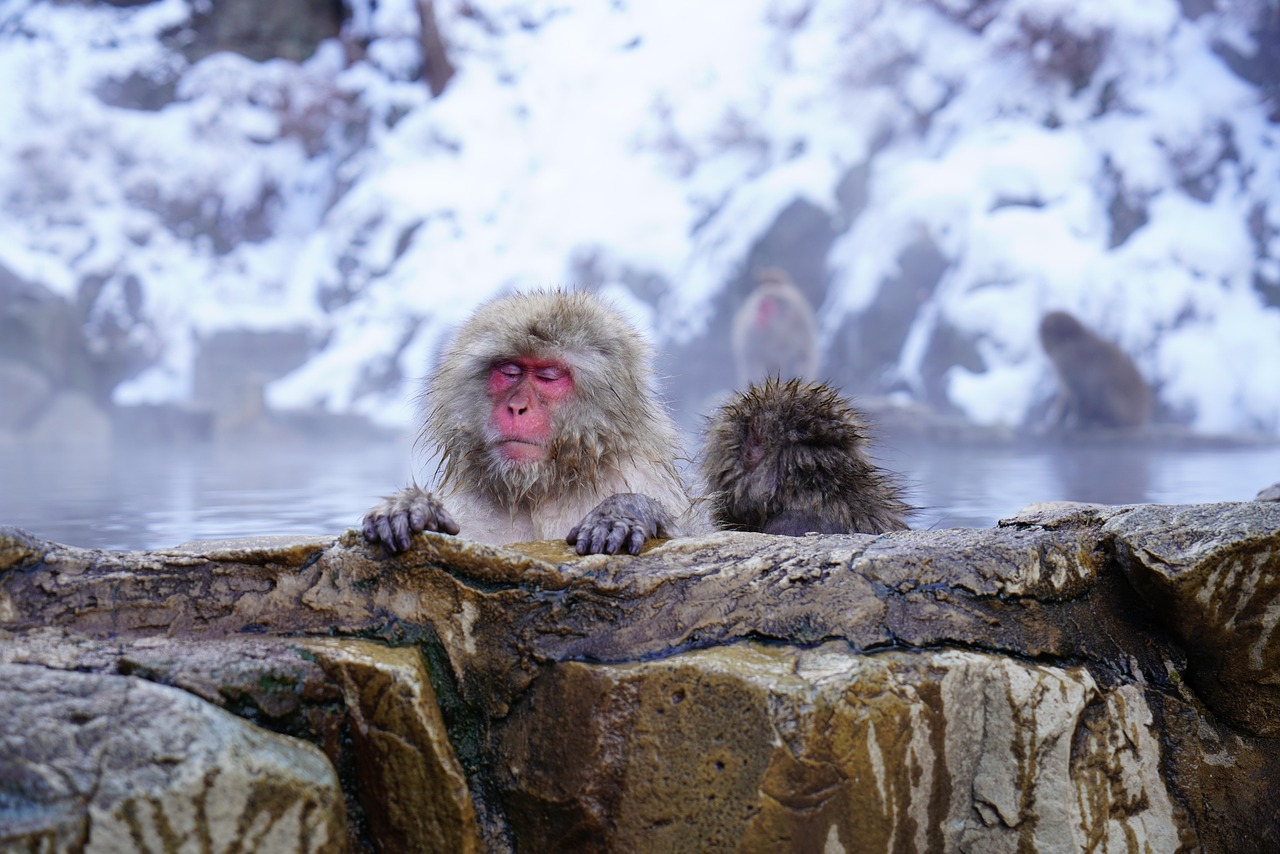
Kumanoshita-yu (熊の手洗湯): A bath associated with a legend of a bear whose injury was healed by the spring — the oldest of the baths in documentary record.
The Nozawa Onsen Ski Area
Nozawa Onsen Ski Resort is one of Japan's most celebrated ski destinations for the combination of snow quality (Nozawa's position in the northern Nagano mountains produces consistent, deep powder), terrain variety (45 courses from gentle beginner runs to steep expert terrain), and the village authenticity that large-scale resort development has not erased.
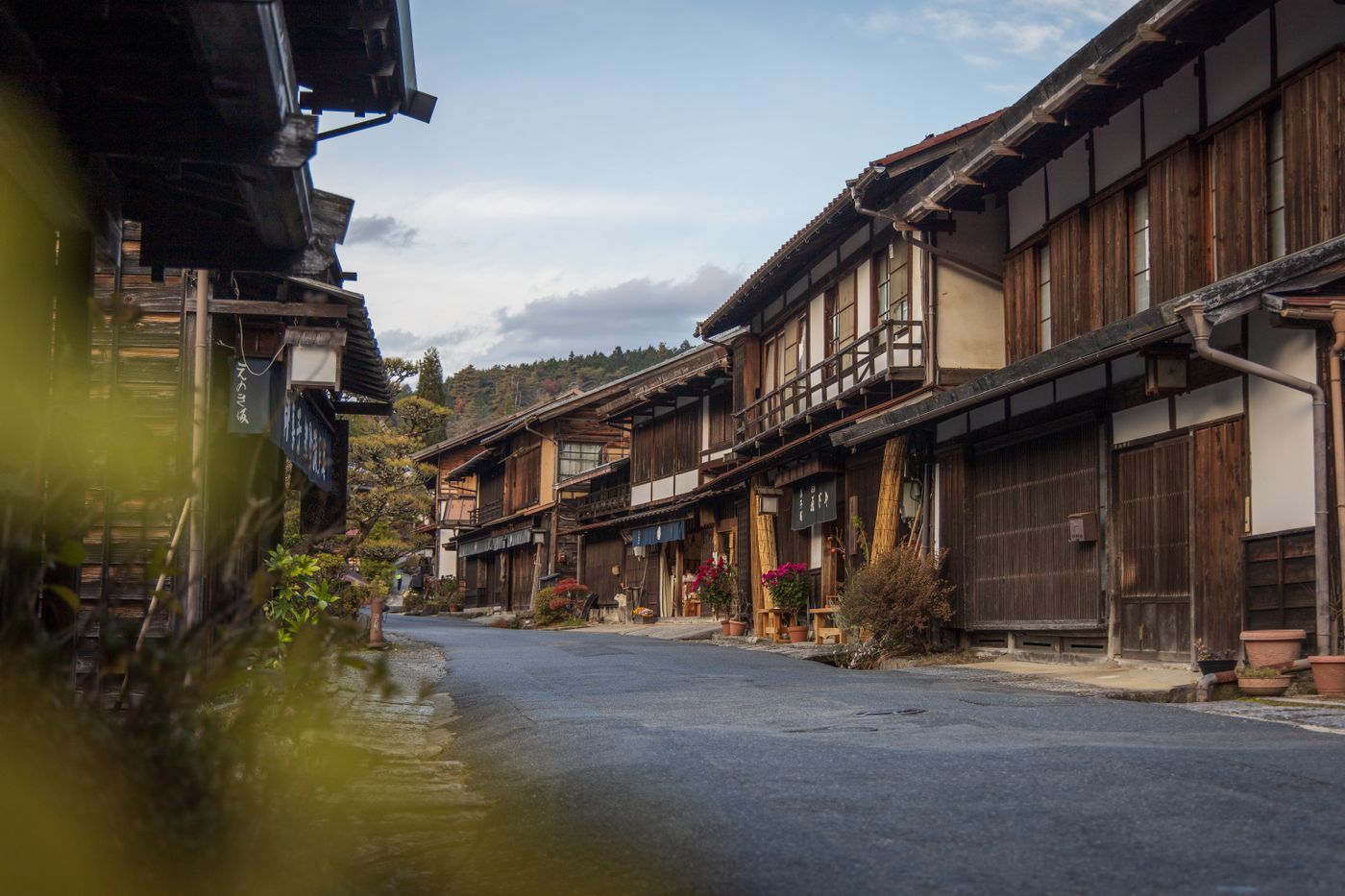
The skiing here has a different character from Niseko's internationally developed resort atmosphere or Hakuba's Olympic-scale infrastructure. The village feels genuinely Japanese — the ski courses bring you back into the village streets between runs, and the après-ski culture involves wandering between the community baths and the izakayas of the village rather than purpose-built resort bars.
International skier culture: Nozawa has a significant and long-established English-speaking visitor community — Australian and British skiers discovered the resort in the 1990s and have been returning in sufficient numbers to create basic English-language infrastructure without overwhelming the Japanese character of the village.
The Nozawa Fire Festival (道祖神祭り)
The Nozawa Fire Festival (どんど焼き / Dosojin Matsuri) — held on January 15th each year — is one of Japan's most intense and most physically dramatic winter festivals.
The ritual involves the men of the village defending a large wooden tower (constructed in the weeks before the festival) against attackers who try to burn it. The defenders are the 42-year-old men of the village — traditionally the age of "yakudoshi" (厄年 / unlucky year) when spiritual protection is most needed. The attackers use torches and burning straw, and the defense involves physical confrontation, water, and snow to prevent ignition.
Eventually the fire wins — it always does — and the tower burns dramatically, the outcome (based on how it burns) being interpreted as a divination for the coming year's harvest and fortune.
The festival is simultaneously a religious ritual, a test of community solidarity, and a genuinely frightening physical confrontation that produces injuries (minor, historically) among participants. Watching from the crowd perimeter as the fire builds and the confrontation intensifies is an experience of communal energy and ancient ritual that has been performed here for over 400 years.
Recommended Base Hotels
All accommodation in Nozawa Onsen is within walking distance of the ski area and the community baths.
Ryokan Sakaya (旅館さかや) (Mid-range / from ¥18,000 per person with meals): The village's classic inn with its own celebrated bath, excellent local cuisine.
- Nozawa Onsen Lodge (Budget / from ¥8,000): International backpacker community, English-speaking staff.
- Address Nozawa (Budget–Mid / from ¥12,000): Apartment-style accommodation popular with families.
Planning where to stay in Chubu? Browse our honest hotel picks and area guides.
🏨 Planning where to stay?
Every area guide on this site pairs with honest, station-by-station hotel picks. Start here: Hotel Guides by Station →