This article may contain affiliate links. If you book through them, we may earn a small commission at no extra cost to you.
On this page
Introduction: Climbing Japan's Most Symbolic Mountain
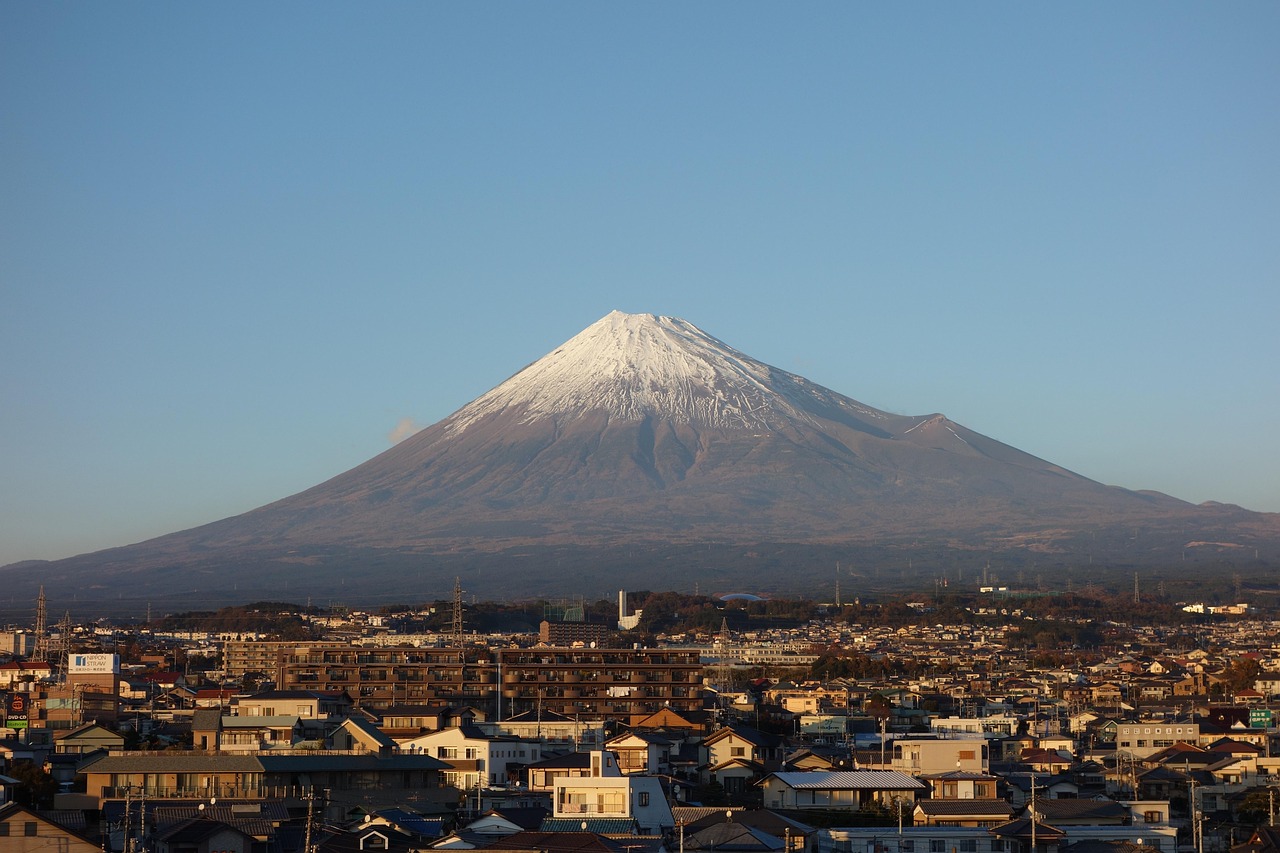
Mount Fuji (富士山, 3,776m) — Japan's highest peak and most recognized national symbol — receives approximately 200,000–300,000 climbers during its brief official climbing season each summer. The climb is not technically difficult in the mountaineering sense — no ropes, no climbing skill required on the standard routes — but it is a genuine physical undertaking: a sustained ascent of approximately 1,400–1,700 meters (depending on starting station) over loose volcanic scree, often undertaken overnight to reach the summit for sunrise, at altitude that produces genuine altitude sickness risk for unprepared climbers.
The Four Trails
Yoshida Trail (吉田ルート): The Standard Choice
Starting from the Fuji Subaru Line 5th Station (2,305m) on the Yamanashi side, the Yoshida Trail is the most popular route by a significant margin — the best mountain hut infrastructure (multiple huts at regular intervals allow rest stops or overnight stays), the clearest signage, and the most straightforward access from Tokyo (direct bus from Shinjuku).
2026 rules (checked July 17, 2026): all four trails now charge a ¥4,000 (approx. $27) per-climber fee with advance online reservation. The Yoshida Trail keeps its daily cap of 4,000 climbers and its gate closes at 2:00 PM — without a mountain-hut reservation you cannot enter until 3:00 AM, a rule aimed squarely at “bullet climbing” (弾丸登山, ascending through the night without rest). Staff also run a mandatory gear check at the Yoshida gate: real trekking shoes, warm layers and rain gear, or you can be turned away. On the Shizuoka side (Subashiri, Gotenba, Fujinomiya), online registration and a short safety briefing are required before you arrive.
Subashiri Trail (須走ルート)
Starting from the Subashiri 5th Station (2,000m) on the southeastern side — joins the Yoshida Trail at the 8th Station. Less crowded than Yoshida, with a more forested lower section providing shade absent from the other routes.
Gotenba Trail (御殿場ルート)
Starting from the lowest elevation 5th Station (1,440m) on the southeastern side — significantly longer (the additional elevation gain adds 2–3 hours compared to Yoshida) and far less crowded, appropriate for experienced hikers seeking solitude and willing to accept the additional physical demand.
Fujinomiya Trail (富士宮ルート)
Starting from the highest elevation 5th Station (2,400m) on the southwestern side — the shortest distance to the summit, but with steeper, rockier terrain than Yoshida. Popular with climbers approaching from the Kansai/Nagoya direction.
When to Climb
In 2026 the Yoshida and Subashiri trails open July 1 and the Fujinomiya and Gotenba trails July 10, with all four closing September 10. The official season is when mountain huts operate, trail facilities (toilets, first aid stations) are staffed, and safety infrastructure is in place. Climbing outside this season is strongly discouraged — even in late June or mid-September, snow and ice can be present on the upper mountain, mountain huts are closed, and rescue infrastructure is unavailable.
Within the season: Weekday climbs have meaningfully lower crowd density than weekends. Early-to-mid July and late August tend to have fewer climbers than the peak early-to-mid August period (which coincides with Obon holiday travel).
How to Prepare
Physical Preparation
Fuji's climb is achievable by reasonably fit hikers without mountaineering experience, but proper preparation matters significantly:
Cardiovascular fitness: Several weeks of regular hiking or cardio exercise before attempting Fuji substantially improves the experience and reduces altitude sickness risk.
Acclimatization: Spending 1–2 hours at the 5th Station before beginning the ascent allows partial altitude acclimatization — most experienced guides recommend this rather than beginning the climb immediately upon arrival.
Altitude Sickness
Altitude sickness (高山病 / kōzanbyō) affects a significant percentage of Fuji climbers, particularly those ascending quickly without acclimatization. Symptoms include headache, nausea, and fatigue. The primary mitigation is pace — climbing slowly, taking regular breaks, and staying hydrated significantly reduces risk. Descending immediately is the correct response to worsening symptoms.
Equipment
Essential: Sturdy hiking boots (not sneakers — the volcanic scree is genuinely difficult terrain), layers including a warm jacket (summit temperatures can drop to near freezing even in August), rain gear (mountain weather changes rapidly), headlamp (for overnight/pre-dawn climbing), sufficient water and food, and cash (mountain huts and facilities are typically cash-only, including a small fee for toilet use at most stations).
Mountain hut booking: If planning an overnight stay at a mountain hut (recommended for sunrise summit timing without an all-night ascent), advance reservation is essential during peak season — huts sell out, particularly for August weekends.
The Sunrise Strategy
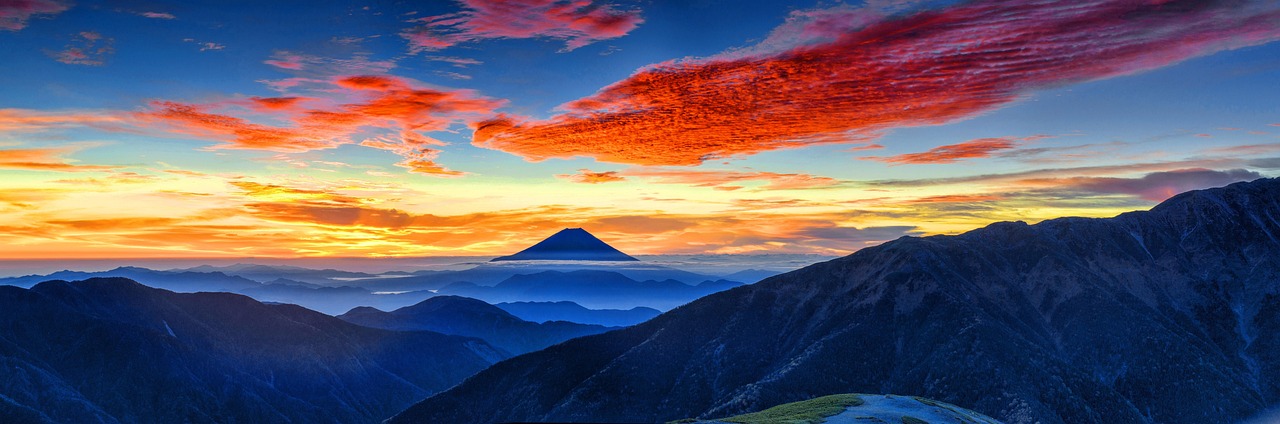
Goraiko (ご来光) — viewing sunrise from the summit — is the traditional goal of most Fuji climbs. Two approaches:
Overnight hut stay: Climb partway on the first day, sleep several hours at a mountain hut (typically 7th–8th station), wake at approximately 1:00–2:00 AM, and complete the final ascent to reach the summit by sunrise (approximately 4:30–5:00 AM in summer).
Bullet climbing (discouraged): Climbing through the entire night without rest to reach the summit for sunrise — Japanese authorities actively discourage this approach due to safety concerns and the severe trail congestion it creates; the 2024 Yoshida Trail regulations specifically target this practice.
Planning where to stay in Yamanashi? Browse our honest hotel picks and area guides.
🏨 Planning where to stay?
Every area guide on this site pairs with honest, station-by-station hotel picks. Start here: Yamanashi Hotel Guides →