This article may contain affiliate links. If you book through them, we may earn a small commission at no extra cost to you.
On this page
Introduction: Japan Before 8am Is a Different Country
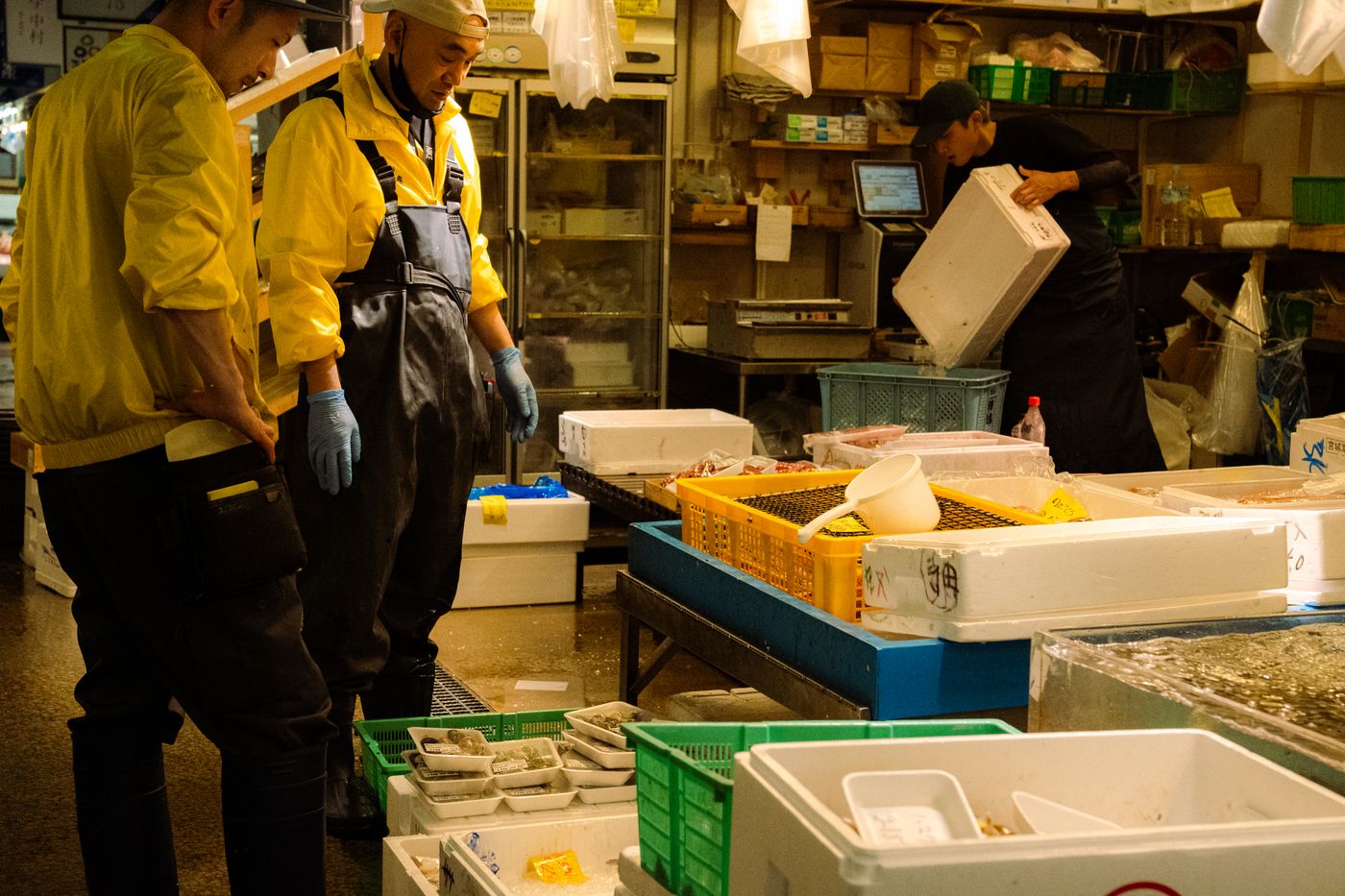
The most authentic commercial food culture in Japan operates between approximately 5:00 AM and 10:00 AM — before the tourist infrastructure wakes up, before the standard retail day begins, in the hours when the people who produce Japan's food sell directly to the people who will cook it. The asaichi (朝市 / morning market) is not merely an early market; it is a complete alternative commercial culture operating in the temporal gap between the night and the regular day.
Japan's Most Significant Morning Markets
Wajima Asaichi (輪島朝市), Ishikawa
The most famous morning market in Japan, with roughly 1,000 years of history on the Noto Peninsula. Important: the January 2024 Noto earthquake — and the fire that swept the market street in its aftermath — destroyed the historic asaichi district. Rebuilding is under way, and the vendors have kept the tradition alive through pop-up “traveling asaichi” events in Wajima and across Japan; check the current status before planning a visit, and know that visiting supports the recovery. (Checked July 17, 2026.)
Toretore Ichiba (とれとれ市場), Wakayama
A large seafood market near the tourist resort of Shirahama (白浜) on the Kii Peninsula that operates daily as a morning market for the local fishing community. The tuna (the Pacific coast here is one of Japan's major tuna fishing areas), live crab, and Pacific shellfish available here at market prices represent the best value fresh seafood purchase available in western Japan.
Tsurugaoka Morning Market (鶴岡の朝市), Yamagata
A daily morning market in Tsuruoka City, Yamagata — one of the longest continuously operating markets in Japan. The Shonai Plain (庄内平野) surrounding Tsuruoka is one of Japan's premier rice and vegetable growing areas, and the morning market reflects the agricultural diversity of the region: unusual varieties of local vegetables (the dadacha-mame (だだちゃ豆) heirloom soybean is specific to this area), the rice varieties that have made Shonai famous, and the mountain vegetables (sansai) from the surrounding Dewa Range.
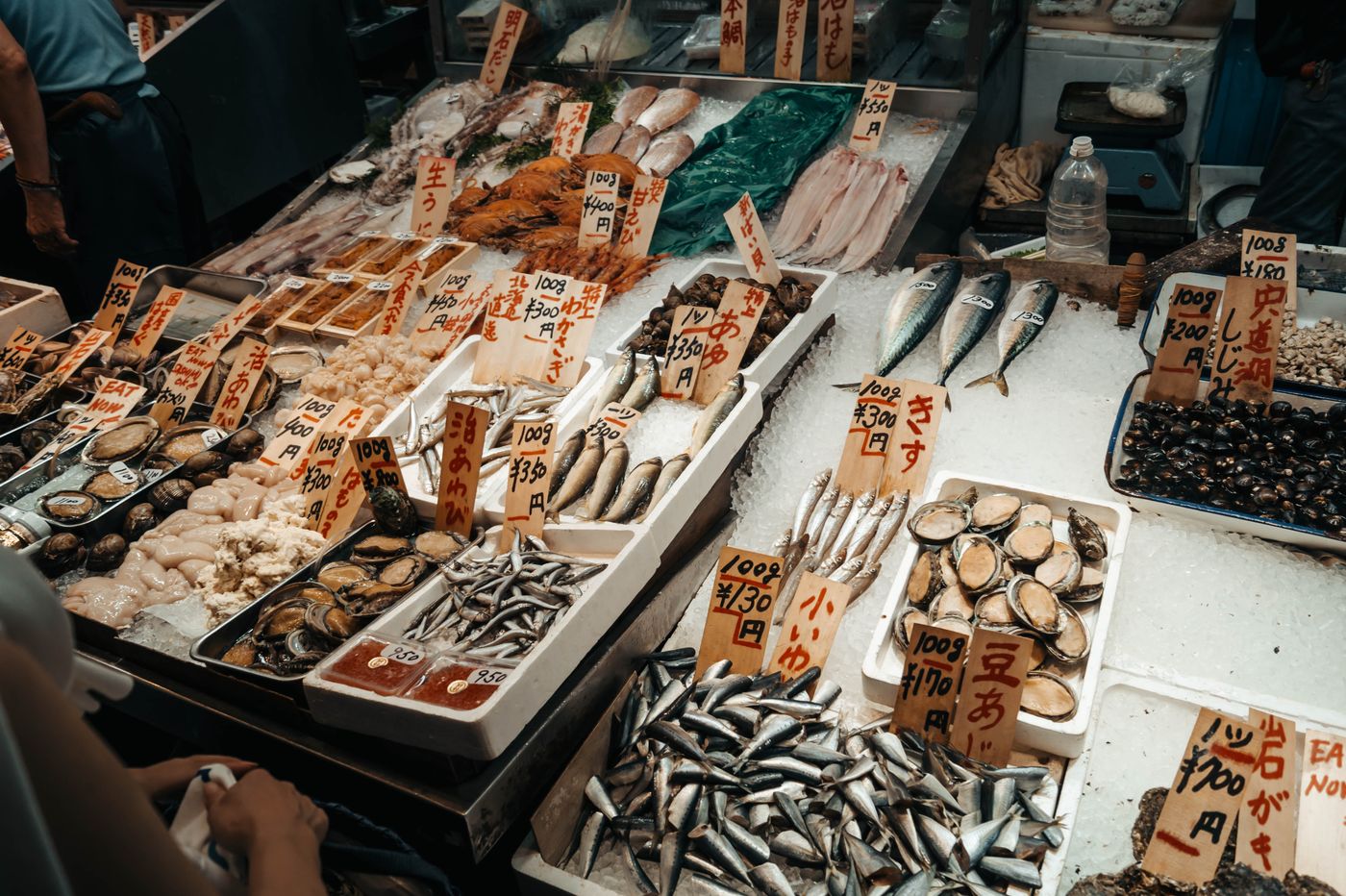
Tsukiji Outer Market (築地場外市場), Tokyo
Already covered in detail — the most accessible morning market in Tokyo, and the one most oriented toward visitor experience.
Nishiki Market (錦市場), Kyoto
Already covered in the dedicated article — technically not a pure morning market (operating into the afternoon) but at its best in the 9:00–11:00 AM window when the most interesting product is freshest.
Takayama Morning Markets (高山の朝市)
Takayama holds two morning markets on alternating days:
Jinya-mae Asaichi (陣屋前朝市): In front of the Jinya government building — local produce, pickles, preserved mountain foods, and crafts from the surrounding Hida mountains. Operating daily.
Jinya-mae and Miyagawa Asaichi (宮川朝市): Along the Miyagawa River — the larger of the two markets, with the river setting providing the most atmospheric context.
What to Look For at Any Japanese Morning Market
Seasonal produce: Japanese seasonal food culture is most visible at morning markets, where the season's current produce appears before it reaches supermarkets or restaurant menus. Learning to identify sansai (山菜 / mountain vegetables) in spring, the summer's specialty fruits, and the autumn's mushroom varieties from market stall visual identification is one of the most useful Japanese food education available.
Preserved and fermented products: The regional diversity of Japanese preserved foods — regional miso, local tsukemono (pickles), fermented fish, regional soy sauces — is most accessible at local morning markets, where the products of specific local traditions are sold directly by their producers.
Hot food at the stall: Most morning markets have at least one stall selling hot food for immediate consumption — soup, grilled fish, or rice balls. Eating at the market stall, standing, watching the activity around you, is the correct morning market experience.
🏨 Planning where to stay?
Every area guide on this site pairs with honest, station-by-station hotel picks. Start here: Hotel Guides by Station →