This article may contain affiliate links. If you book through them, we may earn a small commission at no extra cost to you.
On this page
Introduction: The Fear That Prevents Good Meals
One of the most common barriers to genuine eating in Japan for foreign visitors is the menu — the combination of Japanese script (kanji, hiragana, katakana), the absence of English translation in most non-tourist restaurants, and the unfamiliarity with Japanese food categories creates a decision paralysis that sends visitors to tourist-area restaurants with picture menus when better meals are available in the neighborhood places nearby.
This guide provides the practical tools to navigate a Japanese menu confidently without Japanese language ability.
Tool 1: The Camera Translation App
Google Translate's camera function (かざして翻訳 / live camera translation) translates Japanese text in real time through your phone's camera — point at the menu, Japanese characters transform into English on screen. The translation quality is imperfect (particularly for nuanced food descriptions) but sufficient for identifying the key elements of each dish.
DeepL's camera function produces slightly more natural translations for Japanese text.
Practical use: Hold your phone over the menu, allow the live translation to load, and read the English approximation. The translation will capture the main ingredients even when the descriptive text is awkward.
Tool 2: Understanding the Menu Structure
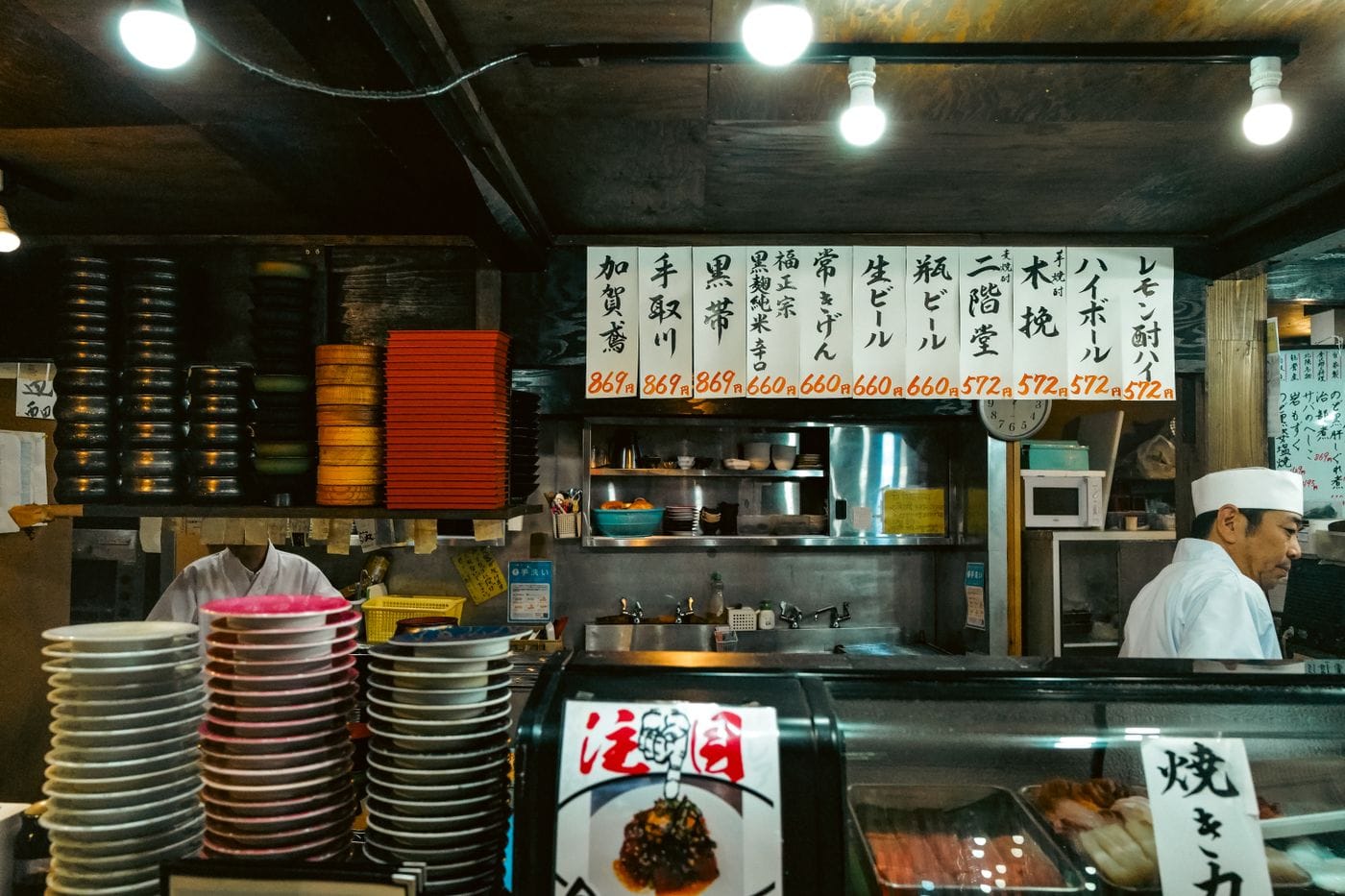
Japanese menus typically follow a consistent structure that, once understood, allows navigation without translation:
Drinks section (飲み物 / nomimono): Usually the first section. Beer (ビール), soft drinks (ソフトドリンク), sake (日本酒), shochu (焼酎), wine (ワイン).
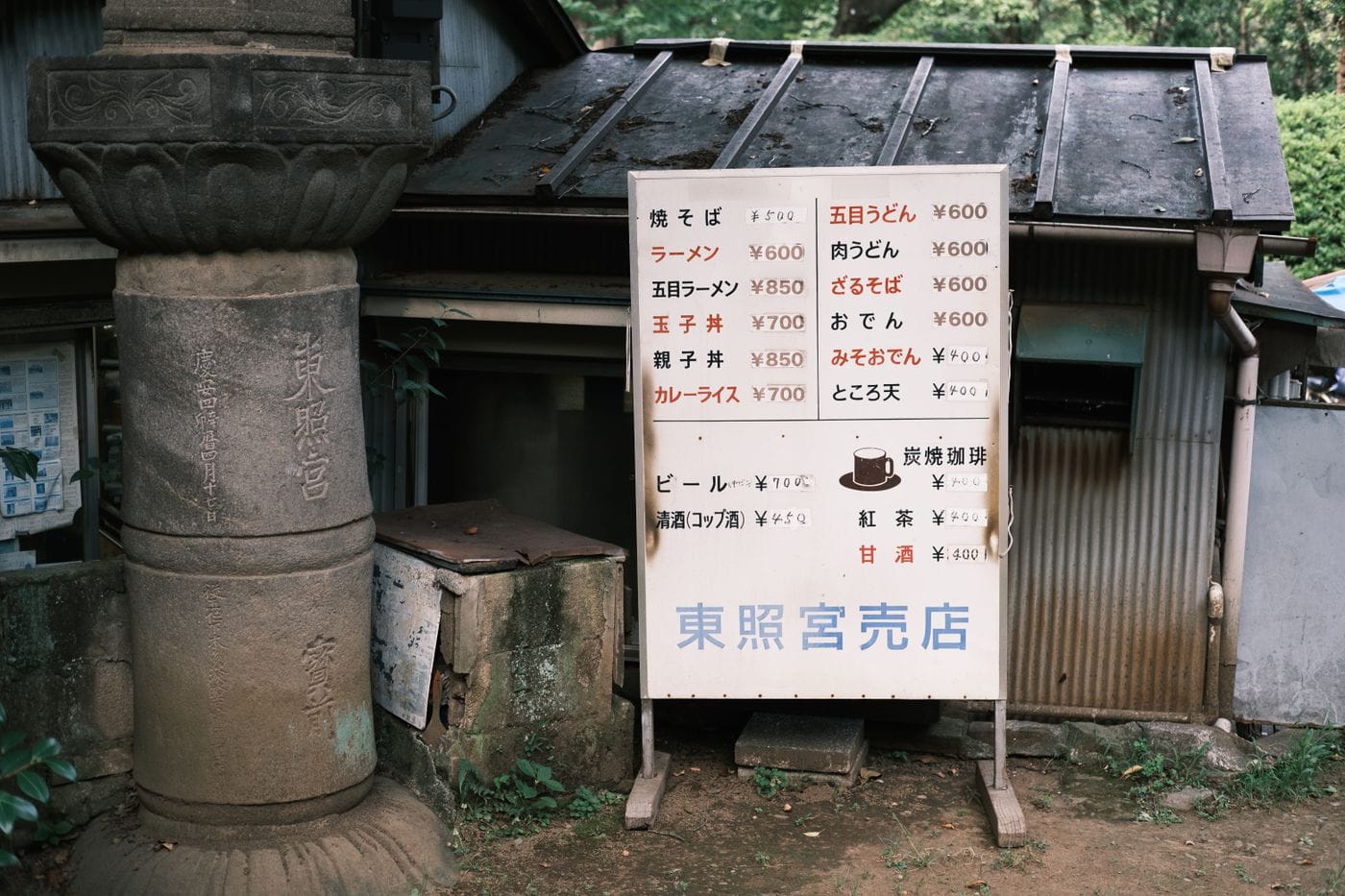
Appetizers/snacks (おつまみ / otsumami or 前菜 / zensai): Small dishes intended for sharing or accompanying drinks. Edamame (枝豆), salads (サラダ), cold tofu (冷奴 / hiyayakko).
- Main dishes: Varies by restaurant type — see below for specific categories.
- Rice/noodle dishes (ご飯もの / gohanmono, 麺類 / menrui): Typically the final savory section.
- Desserts (デザート / dezāto): Final section.
Tool 3: The Key Characters to Recognize
Learning these Japanese characters removes the most common uncertainty:
- 肉 (niku) — meat · 牛 (gyu) — beef · 豚 (buta) — pork · 鶏 (tori) — chicken
- 魚 (sakana) — fish · 海老 (ebi) — shrimp · 卵 (tamago) — egg
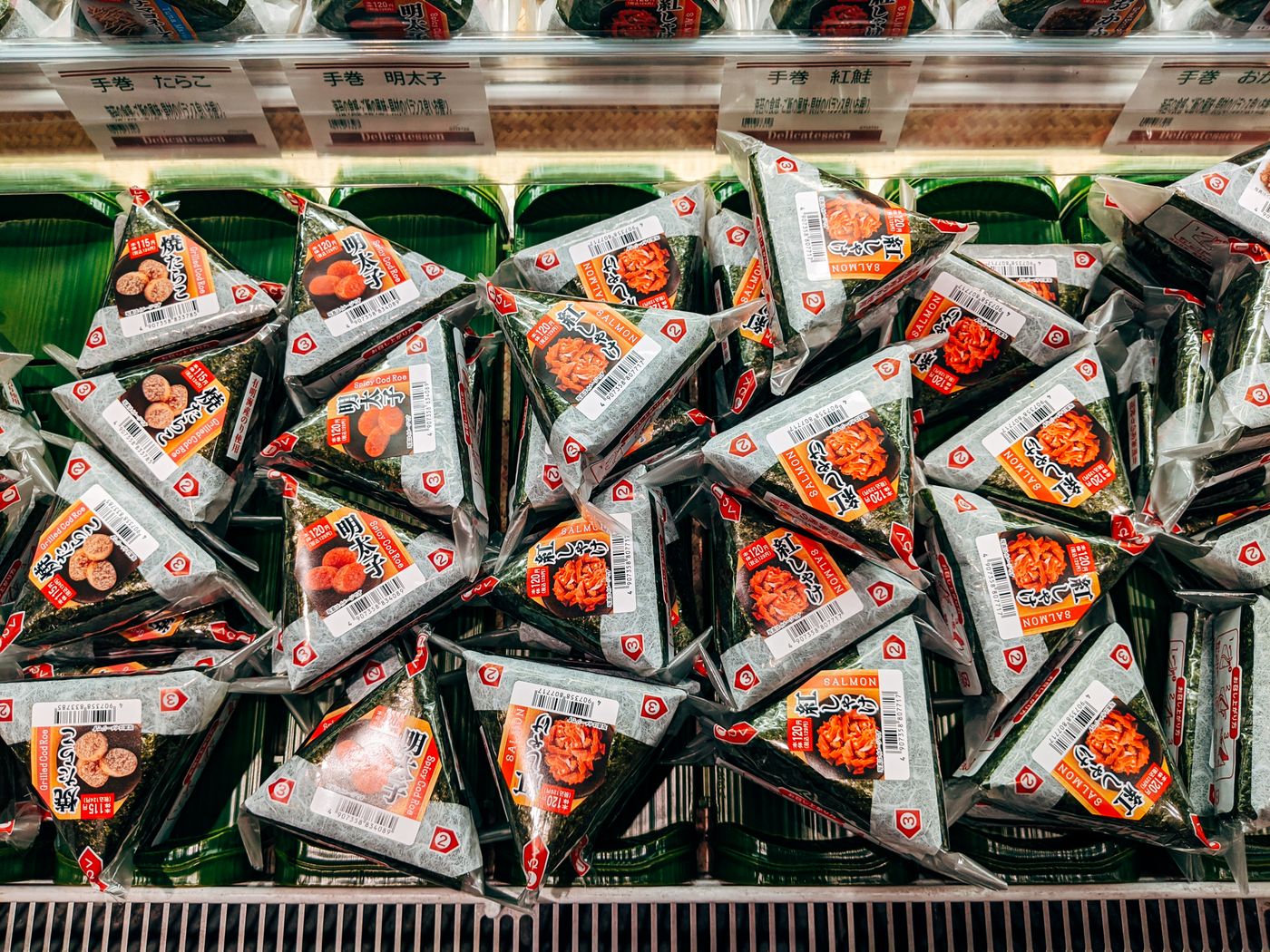
- 焼き (yaki) — grilled · 揚げ (age) — deep-fried · 煮 (ni) — simmered · 生 (nama) — raw
- 辛 (kara) — spicy · 甘 (ama) — sweet
- 定食 (teishoku) — set meal · おすすめ (osusume) — recommended
Tool 4: The Plastic Food Display (食品サンプル)
Many Japanese restaurants — particularly those targeting the general public rather than tourists or business diners — display plastic food models (食品サンプル / shokuhin sampuru) in the window or entrance, showing each menu item in realistic three-dimensional form. These displays are made with extraordinary craftsmanship (the plastic food industry is a specialized Japanese craft in its own right) and provide the most reliable possible visual guide to what you're ordering.
The strategy: Look at the display, identify what you want visually, and note the number or written name on the display's label. Pointing at the display when ordering (or showing a photograph on your phone taken of the display) is entirely acceptable in any restaurant that uses this format.
Tool 5: The Set Meal (定食 / Teishoku)
The teishoku — a set meal combining a main dish with rice, miso soup, and pickles (漬物 / tsukemono) — is the safest ordering strategy for unfamiliar restaurants. The set format means you get a complete balanced meal, the components are predictable, and the price (typically ¥800–¥1,500) represents good value. Identifying the teishoku section of a menu (定食 / ランチセット) and pointing at one is a universally safe ordering approach.
🏨 Planning where to stay?
Every area guide on this site pairs with honest, station-by-station hotel picks. Start here: Hotel Guides by Station →