This article may contain affiliate links. If you book through them, we may earn a small commission at no extra cost to you.
On this page
Introduction: Japan's Most Misunderstood Entertainment
International visitors to Japan often arrive with preconceptions about karaoke formed by their home-country experience — a microphone passed around a bar, a public performance before strangers, an activity requiring either unselfconsciousness or significant alcohol. This is not Japanese karaoke.
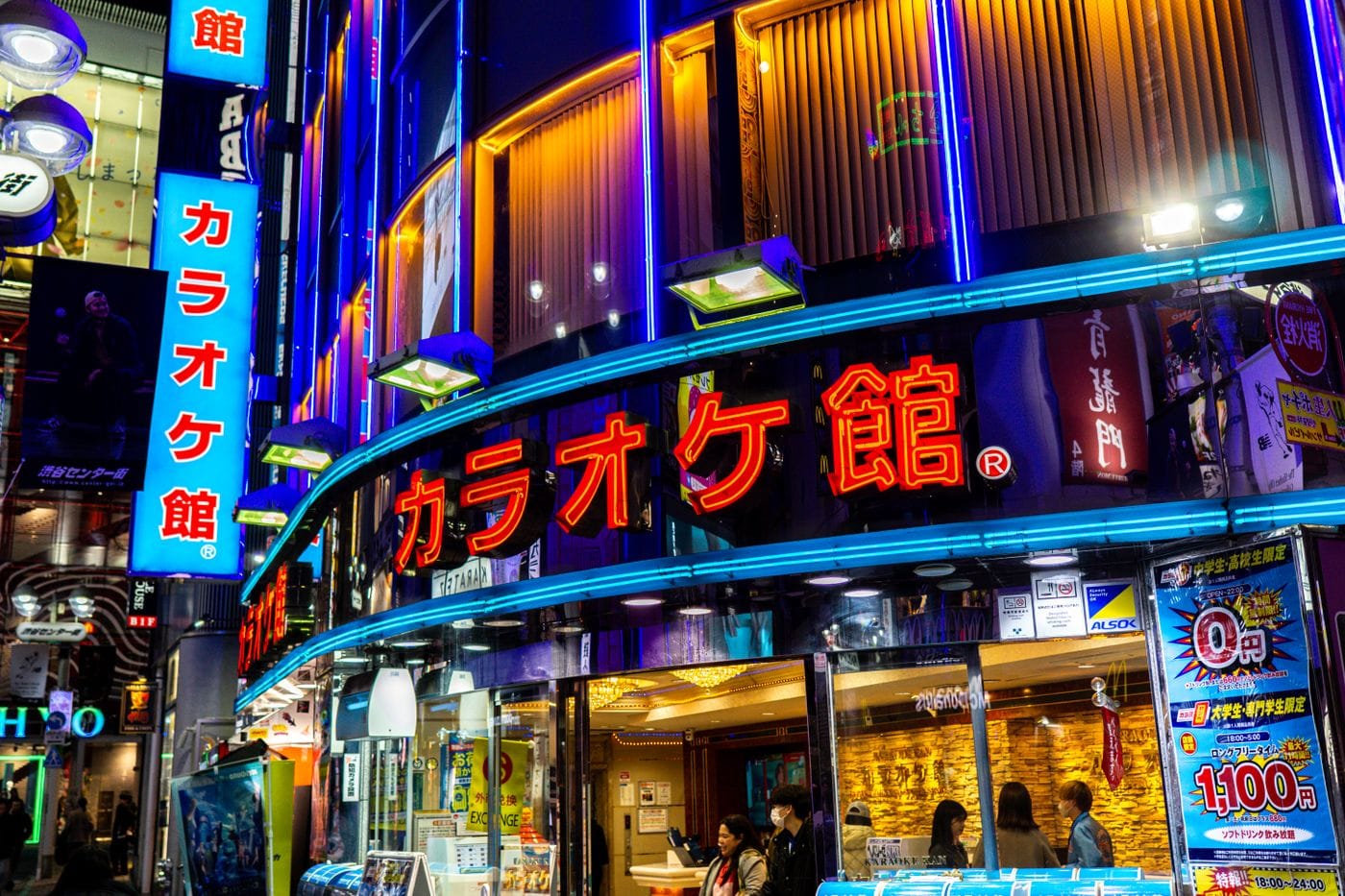
Box karaoke (ボックスカラオケ) — the dominant format in Japan — involves a private room rented by the hour, containing a karaoke machine, comfortable seating, ordering service for drinks and food, and the exclusive company of your own group. The public performance element that makes Western karaoke anxiety-inducing is completely absent. The room is yours; what happens in it is between you and your companions.
The result is an entertainment format of remarkable versatility: appropriate for groups of two to twenty, suitable from age 8 to 80, naturally accommodating alcohol consumption but not requiring it, and genuinely fun across a much wider range of personalities than the Western karaoke format allows.
How It Works
Booking a Room
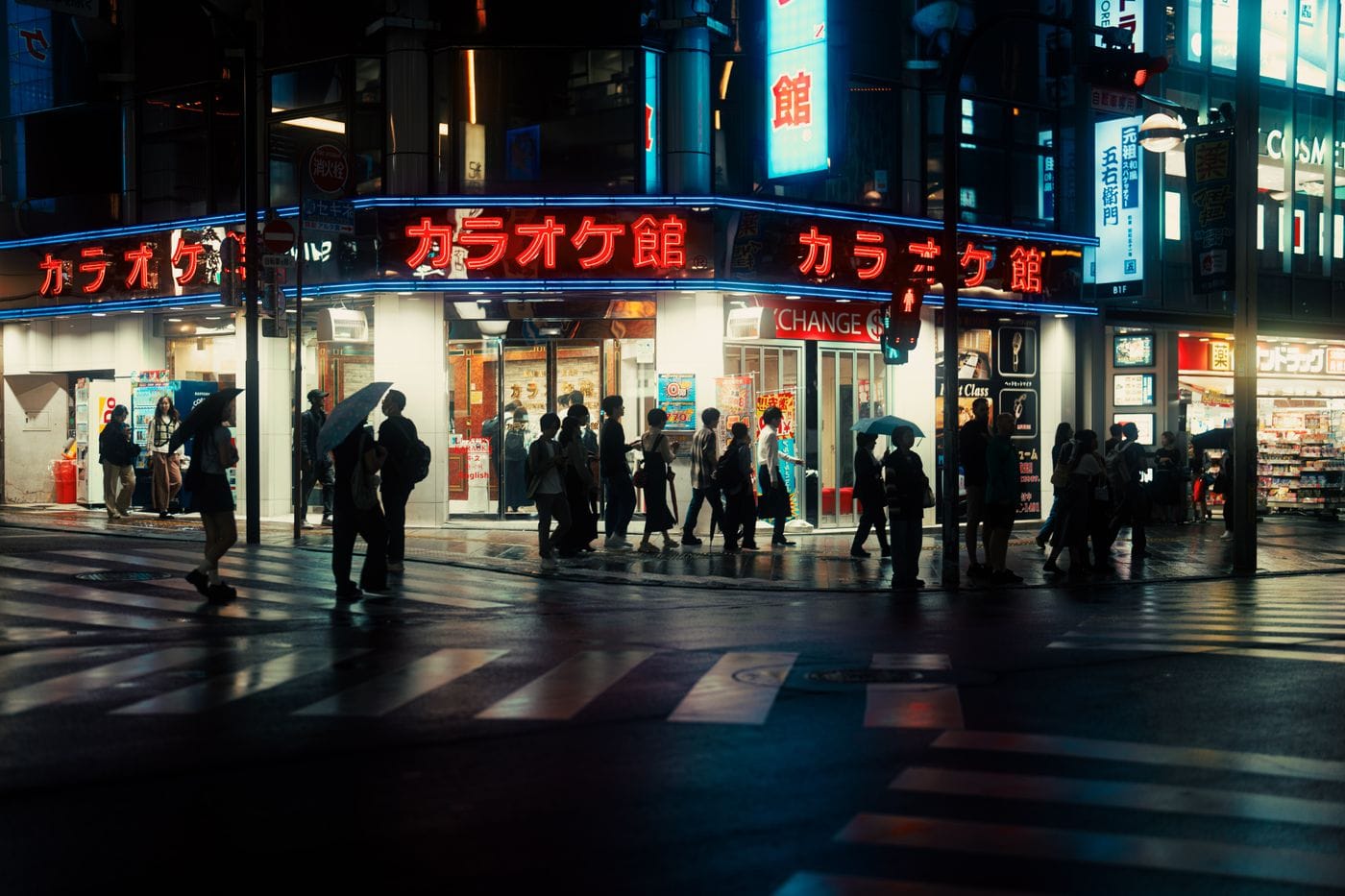
Walk into any karaoke chain and approach the front desk. The staff will ask:
- How long do you need? (何時間 / nan-jikan)
- How many people? (何名様 / nan-meisama)
You pay at the front desk or at the room's end. A remote control, song books (large plastic-bound volumes organized by song title and artist), and the karaoke machine are standard in every room.
The Song Selection System
Japanese karaoke machines (typically JOYSOUND or DAM brand) have touchscreen interfaces that are increasingly available in English. Song selection can be done:
- By English/Japanese title search on the touchscreen
- By number (each song has a specific 5–6 digit code)
- Via the chain’s smartphone app (JOYSOUND and DAM both have English versions)
For English songs: type the artist or song name in English — the selection is extensive, covering Western pop, rock, classical, and Broadway from the 1960s to contemporary releases.
Ordering Food and Drinks
A telephone or tablet in the room connects to the kitchen/bar for ordering — delivery typically arrives within 5–10 minutes. The menu includes beer, cocktails (often unlimited plan drinks), soft drinks, and Japanese food items.
The Karaoke Experience: What Makes It Japanese
Hitorikara (一人カラオケ): Solo Karaoke
The hitorikara (solo karaoke) concept — renting a room alone — is uniquely accepted in Japan as a legitimate activity requiring no explanation. Major chains including Big Echo operate "hitokara" (ヒトカラ) rooms specifically sized and priced for solo use.
Going alone to karaoke in Japan has no social stigma — it is considered a legitimate way to practice English songs, enjoy privacy, or simply indulge a love of singing without social performance anxiety.
Morning Karaoke (朝カラ / Asakara)
Several chains offer significant discounts on morning karaoke (朝カラ) — typically 7:00 AM–noon — targeting the sober, early-rising demographic who simply enjoy singing. Arriving at a karaoke box at 9:00 AM and singing for two hours over coffee is a specifically Japanese entertainment experience.
The Unlimited Drink Plan (飲み放題 / Nomihōdai)
Most chains offer unlimited drink plans at approximately ¥1,000–¥1,500 per person per 2–3 hours. These plans include domestic beer, shochu, cocktails, and soft drinks. The plan's economics reward those who drink at a medium to moderate pace.
English Song Recommendations for First-Time Visitors
For awkward starters: "Don't Stop Believin'" (Journey), "Bohemian Rhapsody" (Queen) — universal recognition makes group participation natural.
For solo confidence: Any Adele or Ed Sheeran song — simple melodies, well-known lyrics, and forgiving vocal range.
For Japan-appropriate context: "My Heart Will Go On" (Celine Dion), "Yesterday" (Beatles), "Hotel California" (Eagles) — extremely popular in Japan across all generations.
🏨 Planning where to stay?
Every area guide on this site pairs with honest, station-by-station hotel picks. Start here: Hotel Guides by Station →