This article may contain affiliate links. If you book through them, we may earn a small commission at no extra cost to you.
On this page
Introduction: The Thousands of Islands Most Visitors Never Consider
Japan consists of approximately 14,125 islands (according to a 2023 government recount using modern satellite mapping), of which the vast majority are uninhabited or sparsely populated. Beyond the well-known destinations already covered in this guide series (Okinawa's main islands, the Yaeyamas, Miyajima, the Seto Inland Sea art islands), Japan's ritō (離島 / remote islands) include dozens of genuinely distinctive destinations that receive minimal international visitor attention despite offering experiences unavailable on the mainland.
Sado Island (佐渡島), Niigata
Sado — Japan's sixth-largest island, off the Niigata coast in the Sea of Japan — has a history shaped by its historical use as a place of exile for political and religious dissidents (including the Buddhist reformer Nichiren and the Emperor Juntoku), combined with a significant gold mining history (the Sado gold mines, registered as a UNESCO World Heritage Site in 2024, were one of the world's largest gold production sites during the Edo period).
Kodo (鼓童): Sado is the home base of Kodo, one of the world's most internationally celebrated taiko drumming ensembles — the group's training center on the island and their annual Earth Celebration festival (drawing international musicians and audiences each August) provide a specific cultural draw beyond the island's natural and historical attractions.
- Access: Ferry from Niigata City (approximately 2.5 hours by regular ferry, 1 hour by jetfoil).
Sea of Japan's Oki Islands (隠岐諸島), Shimane
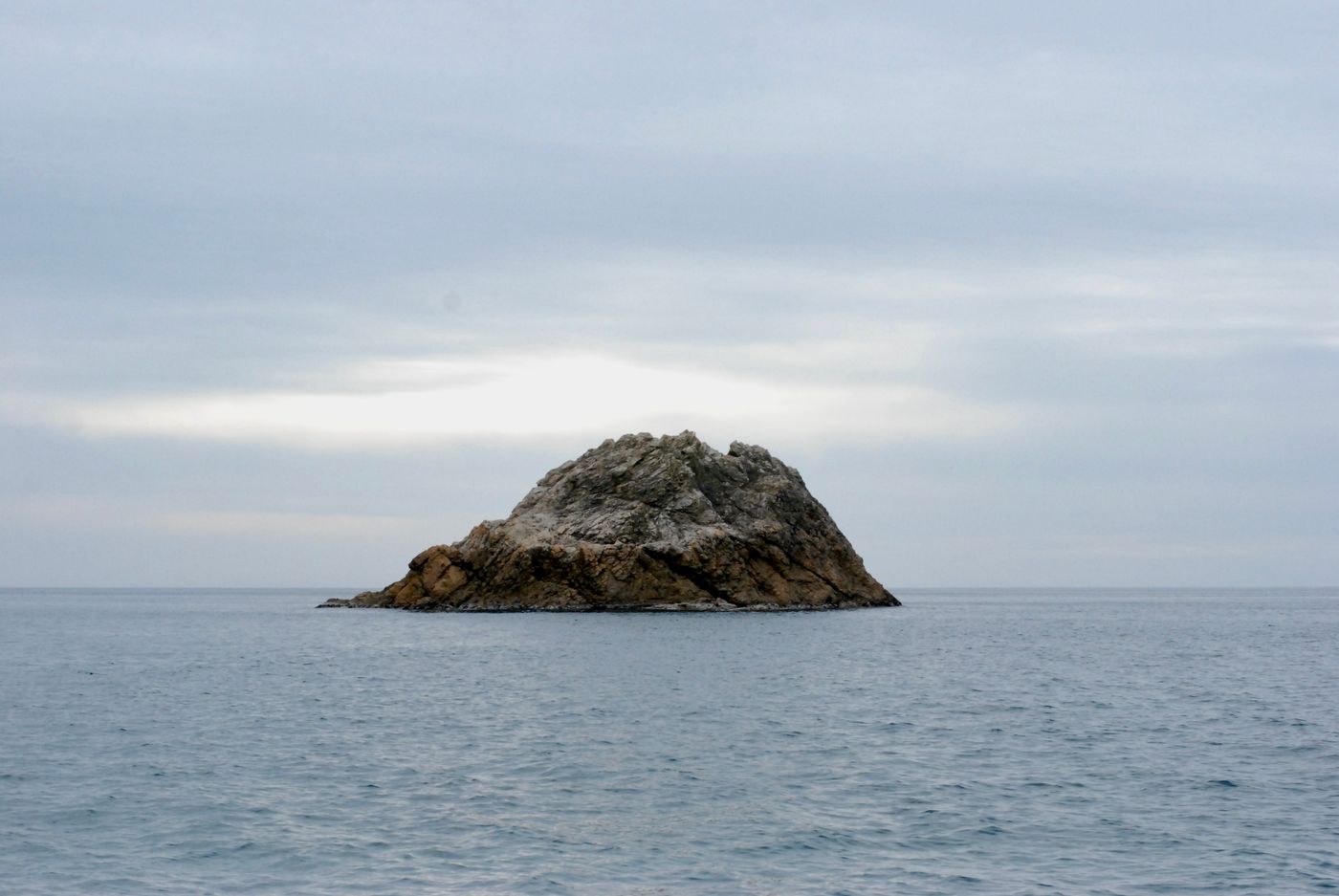
The Oki Islands — a UNESCO Global Geopark off the Shimane coast — combine dramatic volcanic coastal scenery (sea cliffs reaching over 250 meters) with a history of political exile (two former emperors, Go-Toba and Go-Daigo, were exiled here) and distinctive local culture including the unique Oki bull-sumo (隠岐の牛突き) tradition.
- Access: Ferry from Sakaiminato or Shichirui ports (approximately 2–3 hours depending on island and route).
Sakurajima's Neighbor: Tanegashima and Yakushima
Tanegashima (種子島) — adjacent to Yakushima (covered extensively elsewhere) — has a specific historical significance as the location where Portuguese traders first introduced firearms to Japan in 1543, an event that significantly influenced the subsequent course of Japanese warfare and political consolidation. The island is also home to the Tanegashima Space Center, Japan's primary rocket launch facility, with public viewing areas for launches.
Hachijojima (八丈島), Tokyo
Part of the Izu Islands chain (the same archipelago as Niijima, covered in the surfing article), but further south — Hachijojima has a genuinely subtropical character despite being administratively part of Tokyo, with palm trees, volcanic hot springs, and a distinct local culture shaped by the island's historical use as a place of exile during the Edo period.
- Access: Flight from Haneda (approximately 55 minutes) or overnight ferry from Tokyo (approximately 10 hours).
Rishiri and Rebun Islands (利尻島・礼文島), Hokkaido
Off Hokkaido's northwestern coast, these two islands provide some of Japan's finest alpine flower viewing combined with dramatic volcanic scenery — Mount Rishiri (利尻山, 1,721m), rising directly from the sea on Rishiri Island, is a Hyakumeizan peak (mentioned in the dedicated article) offering one of Japan's most distinctive "sea-level to summit" mountain ascents.
Rebun Island's alpine flower meadows, at sea level due to the island's northern latitude (flowers that would only grow at high elevation further south grow at sea level here), provide unusual access to alpine ecology without significant elevation gain.
- Access: Ferry from Wakkanai (Japan's northernmost city), approximately 1.5–2 hours.
Practical Notes on Remote Island Travel
Ferry dependency: Most of Japan's remote islands are accessible primarily or exclusively by ferry — schedules are typically limited (often 1–3 sailings daily) and subject to weather cancellation, particularly in winter. Building flexibility into remote island itineraries is essential.
Limited English infrastructure: Unlike Japan's major tourist destinations, most remote islands have minimal English-language tourism infrastructure — the reward of genuine remoteness comes with the corresponding challenge of more independent, less mediated travel.
Seasonal operation: Several remote island attractions and accommodations operate on a reduced winter schedule or close entirely during the coldest months — confirming current operating status before traveling is essential.
🏨 Planning where to stay?
Every area guide on this site pairs with honest, station-by-station hotel picks. Start here: Hotel Guides by Station →