This article may contain affiliate links. If you book through them, we may earn a small commission at no extra cost to you.
On this page
Introduction: The 80% of Nikko Most Visitors Never See
Most visitors to Nikko spend their day at Tosho-gu and return to Tokyo by evening — entirely reasonable given the shrine complex's significance, but representing a small fraction of what Nikko National Park actually contains. The park extends across approximately 1,150 square kilometers of mountains, lakes, waterfalls, and wetlands stretching from the temple complex deep into volcanic highland terrain that most day-trippers never approach.
Beyond Kegon Falls: The Other Waterfalls
While Kegon Falls (covered in the main Nikko article) is the park's most famous single waterfall, several others reward exploration:
Ryūzu Falls (竜頭の滝): Above Lake Chūzenji, a 210-meter cascade split by a central rock outcrop into two streams that resemble a dragon's two horns (giving the falls its name — "Dragon's Head Falls"). A walking path alongside the falls, with a teahouse at the top, provides one of the park's most accessible secondary waterfall experiences.
Yutaki Falls (湯滝): At the outflow of Lake Yunoko near Yumoto Onsen — a 70-meter falls fed by the lake's hot-spring-warmed water, with a viewing platform at the base.
Senjogahara Wetlands (戦場ヶ原): The High Marsh
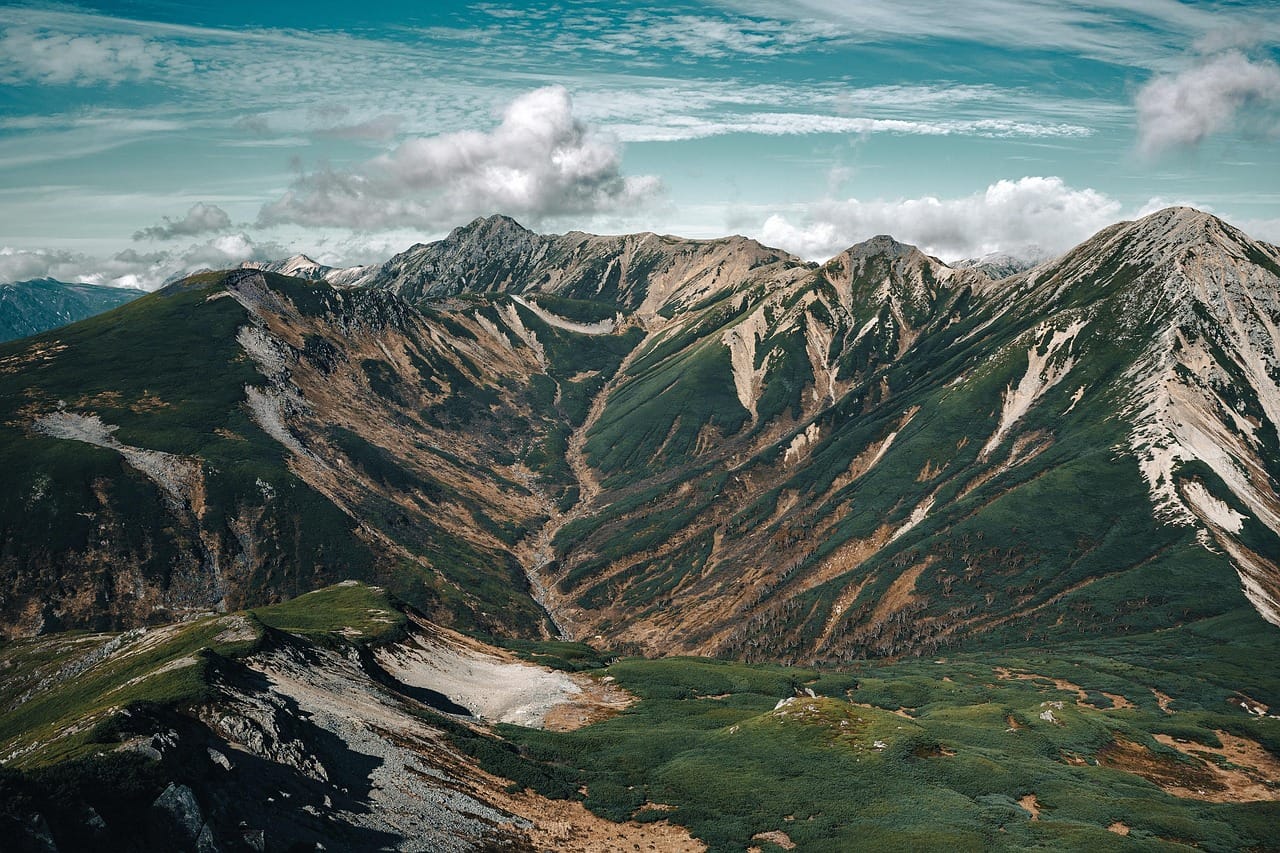
Senjogahara — a high-elevation marshland plateau between Lake Chūzenji and Yumoto Onsen, at approximately 1,400m elevation — is one of Japan's most significant wetland ecosystems, named (somewhat dramatically) "Battlefield Plain" after a legendary conflict between two mountain deities.
The boardwalk system: A well-maintained boardwalk network crosses the wetland, providing access without disturbing the sensitive ecosystem. The full traverse (connecting the Yumoto and Lake Chūzenji ends) takes approximately 3 hours, passing through distinct vegetation zones and providing views of the surrounding volcanic peaks (Mount Nantai, Mount Taro).
Wildlife: Senjogahara supports populations of Japanese deer, and birdwatchers can observe several species not commonly found at lower elevations, including various woodpecker and flycatcher species.
Seasonal character: Spring brings the marsh's wildflower bloom (late May–June); autumn (covered extensively in the dedicated Nikko autumn article) produces the area's most photographed golden-russet grass coloring.
Yumoto Onsen (湯元温泉): The Mountain Hot Spring Village
At the far end of the park's main visitor circuit, Yumoto Onsen — covered briefly in the onsen towns near Tokyo article — provides a genuine mountain village experience at 1,478m elevation, with sulfurous hot springs, a small lake (Yunoko), and significantly fewer visitors than the temple complex or Lake Chūzenji area.
Yu-no-daira marsh: Adjacent to Yumoto, a smaller wetland area with its own boardwalk system, less visited than Senjogahara but offering similar ecological interest with greater solitude.
Hidden Trails
Mount Nantai (男体山, 2,486m): The sacred volcanic peak rising directly above Lake Chūzenji — a serious day hike (approximately 6–8 hours round trip) ascending via a trail that begins at the Futarasan Shrine lakeside branch, requiring a permit and entry fee due to the mountain's sacred status. The summit shrine and crater rim views reward the substantial effort.
Akanuma Marsh and the Konsei Pass area: Beyond Senjogahara toward the Gunma border, a less-visited section of marsh and mountain trail connecting to the Oze National Park region (covered in the dedicated article) — appropriate for experienced hikers seeking genuine solitude within the park.
Recommended Base Hotels
Chuzenji Kanaya Hotel (Mid-range / from ¥18,000): Lakeside, ideal base for Senjogahara and Kegon Falls access.
- Yumoto Onsen ryokan (from ¥15,000 per person): For the deepest park access and quietest atmosphere.
Planning where to stay in Kanto? Browse our honest hotel picks and area guides.
🏨 Planning where to stay?
Every area guide on this site pairs with honest, station-by-station hotel picks. Start here: Tochigi Hotel Guides →