This article may contain affiliate links. If you book through them, we may earn a small commission at no extra cost to you.
On this page
Introduction: The Aesthetic of Absence
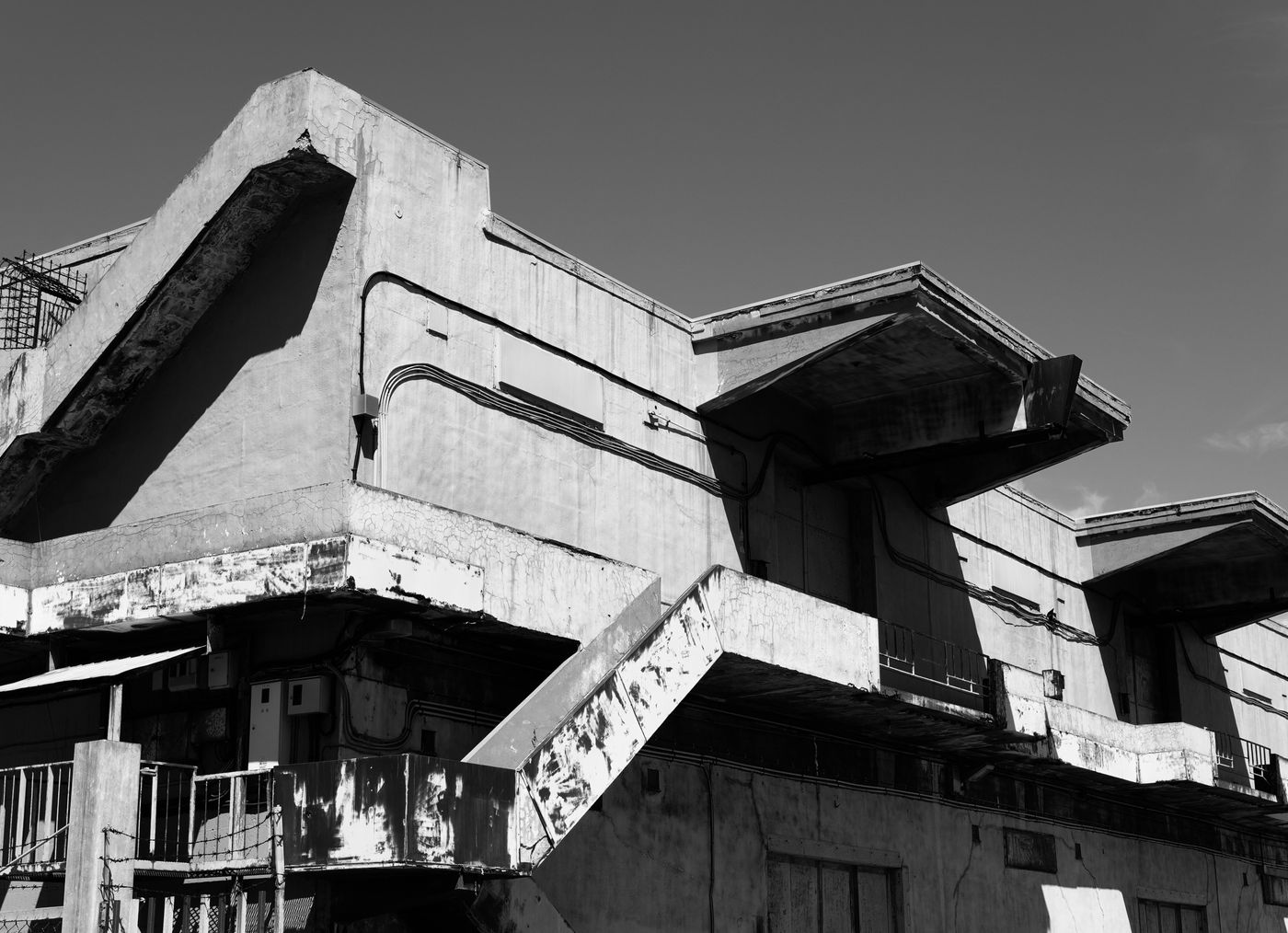
Haikyo (廃墟 / "ruins") — Japan's urban exploration and abandoned building culture — occupies a specific cultural position in the country's relationship with impermanence and the passage of time. The aesthetic appreciation of decay, vacancy, and the reclaiming of human-made structures by nature connects to deeply embedded Japanese sensibilities around mono no aware (物の哀れ) — the poignant beauty of transience — and the Buddhist understanding that all created things return to nature.
Japan's specific demographic history has produced an extraordinary abundance of abandoned structures: the rural depopulation of the postwar economic growth period left thousands of farmhouses, schools, and entire villages empty across the mountainous interior; the collapse of specific industrial enterprises (coal mining, specific resort industries) left purpose-built communities without purpose; and the combination of Japan's traditional wooden construction and the absence of vandalism culture (not all Japan urban exploration involves graffiti culture — the majority of Japanese haikyo is photographed and left undisturbed) has created abandoned places of specific photographic and experiential quality.
The Major Categories of Japanese Haikyo
Abandoned Schools (廃校 / Haikō)
Japan's rural population decline has produced hundreds of abandoned elementary and junior high schools — the school buildings constructed with postwar optimism for communities that subsequently emptied. These schools are among the most emotionally resonant haikyo category: the small chairs, the still-legible blackboards, the small shoes in entrance halls, and the children's artwork on walls create a specific quality of presence-in-absence.
The scale of the phenomenon: Japan's Ministry of Education reports approximately 9,000 school closures since 1992 — the majority due to population decline rather than building failure.
Abandoned Resorts (廃リゾート / Hai-rizōto)
Japan's post-bubble economic collapse (1991–) produced a specific category of abandoned resort infrastructure: ski lodges built for a skier population that declined, golf courses built for a golf culture that peaked, hot spring resort hotels built for demand that fell away. These establishments often contain the specific time capsule quality of mid-1980s Japanese leisure culture — the furniture, the carpet patterns, the entertainment equipment of the bubble period preserved in vacancy.
Nara Dreamland (奈良ドリームランド): Perhaps Japan's most internationally famous abandoned site — a Disneyland-inspired theme park operating from 1961 to 2006, whose abandoned roller coaster and character attractions became among Japan's most photographed haikyo locations before the park's demolition in 2016–2017.
Military and Industrial Sites
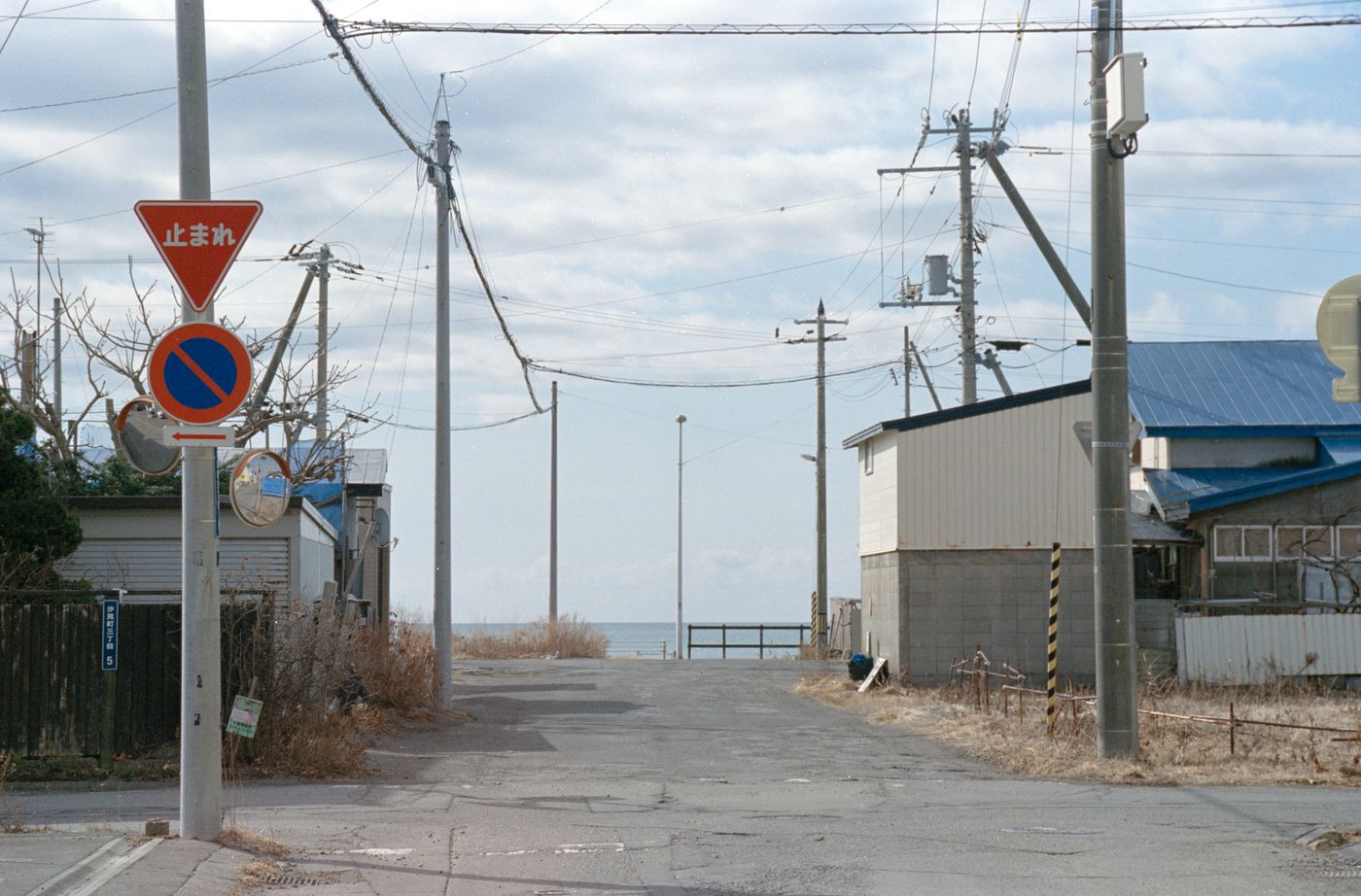
Remnants of Japan's wartime industrial and military infrastructure appear throughout the country in various states of preservation and ruin — fortifications, industrial facilities, and the specific landscape of wartime production repurposed, abandoned, or simply left.
- Gunkanjima — covered in the dedicated article — is the most internationally famous example of this category.
The Ethics of Haikyo
The Legal Reality
Most haikyo sites are on private property — the standard legal situation means that entering without permission is technically trespass (不法侵入 / fuhou shinnyuu). In practice, Japanese authorities handle this with significant discretion — prosecution of trespass at abandoned property is rare except in cases of demonstrable damage.
The permission question: A small number of former haikyo have been converted to legal exploration destinations with admission fees. Most have not. The ethical and legal question of visiting unauthorized haikyo is a matter of individual judgment — this guide does not provide directions to specific unauthorized sites.
The Code
Japan's haikyo community has developed a generally followed ethical code:
Do not damage: The most important — the haikyo aesthetic depends on preserving the state of what you find. Removing objects, breaking structures, and leaving marks of your presence destroy the site for subsequent visitors and often constitute additional criminal offenses.
Do not disclose specific locations of sensitive sites: The haikyo community's practice of not publishing precise GPS coordinates of many significant sites is a specific effort to manage the traffic that location disclosure generates.
Do not post identifiable human remains or personal documents: Some abandoned sites contain personal effects, medical records, and intimate details of the former inhabitants' lives — the ethics of photographing and publishing these requires careful consideration.
Respect the former inhabitants: The abandoned school, the closed hospital, the emptied home were places of real lives. The haikyo aesthetic is at its best when it honors the human dimension of what it photographs.
The Visual Aesthetic
Japanese haikyo photography has developed a specific visual language — the work of photographers like Jordy Meow (French photographer in Japan) and various Japanese practitioners has established a set of compositional and lighting conventions that treat abandoned spaces with the attentiveness of architectural photography rather than the sensationalism of "creepypasta" documentation.
The visual qualities that make Japanese abandoned structures specifically compelling: the textures of Japanese wood, tile, and paper deteriorating in specific ways; the specific objects of Japanese domestic and commercial life appearing in decay; the contrast between traditional architectural elements and their abandon; and the specific quality of light in structures whose windows have broken or clouded over years of vacancy.
🏨 Planning where to stay?
Every area guide on this site pairs with honest, station-by-station hotel picks. Start here: Hotel Guides by Station →