This article may contain affiliate links. If you book through them, we may earn a small commission at no extra cost to you.
Kyushu Shinkansen Guide · Shin-Minamata Station
Shin-Minamata Station Guide: A City of Environmental Recovery
& the Gateway to Amakusa
A Tsubame Stop · A Powerful Environmental Story · A Reborn Bay, an Eco-Model City & Island Ferries
🚄 Hakata ~1 hr · Kagoshima-Chuo ~25 min — Tsubame (and some Sakura)
🌿 An eco-model city that reckons openly with its past
⛴ Ferry gateway to the Amakusa islands
🌹 Yunoko Onsen and a rose garden by the sea
On this page
What Kind of Area is Shin-Minamata? A Local’s Honest Take
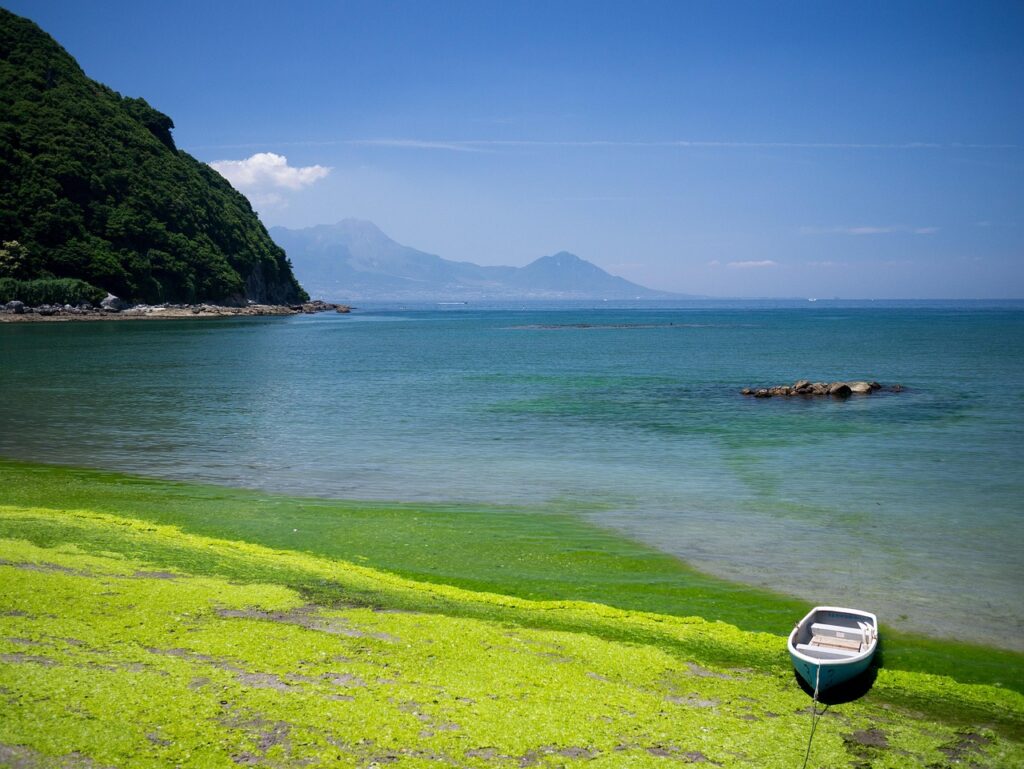
Shin-Minamata serves Minamata, a Kumamoto city on the Yatsushiro Sea whose name carries real historical weight. In the mid-20th century, industrial mercury pollution here caused Minamata disease, one of the world’s most serious cases of industrial poisoning — a tragedy the city has spent decades confronting, memorialising and learning from. Today Minamata is internationally recognised as an “eco-model city,” its bay recovered, with a moving municipal museum that treats the history honestly and thoughtfully. Visiting is a chance to understand an important chapter of environmental history with care and respect.
Tsubame services stop here, with some Sakura, about an hour from Hakata. Beyond the history, Minamata offers the seaside Yunoko Onsen, a rose garden, and ferries out to the beautiful Amakusa islands. It is a reflective, quietly rewarding stop rather than a conventional sightseeing base.
The Minamata Disease Municipal Museum, and the memorial along the restored bay, present the tragedy and the community’s long recovery with dignity. It is a sobering but valuable visit — a story of harm, accountability and renewal.
Getting Around from Shin-Minamata
🚄 Shinkansen
Hakata ~1 hr · Kumamoto ~25 min · Kagoshima-Chuo ~25 min — Tsubame (and some Sakura). The Mizuho passes through.
⛴ To Amakusa
Ferries from the Minamata area cross to the Amakusa islands, known for dolphins, hidden-Christian history and quiet coasts.
🚃 Around the city
The Hisatsu Orange Railway and local buses reach the bay, the museum, Yunoko Onsen and the rose garden.
What to See Around Shin-Minamata
🌿 The Bay & Environmental Museum
The restored Minamata Bay, the memorial and the museum that tells the disease’s history and the city’s recovery — the reason many thoughtful travelers come.
⛴ Amakusa Islands
A scenic archipelago of bridges, beaches, dolphin-watching and Christian heritage, reached by ferry.
🌹 Yunoko Onsen & Rose Garden
A seaside hot spring and the Minamata Rose Garden (Bara-en) offer gentler, restorative experiences.
Where Should You Actually Stay?
Accommodation is modest; the area suits a reflective day or a quiet coastal night.
♨️ Yunoko Onsen: Seaside hot-spring inns make the most appealing local stay.
🏨 Station & city hotels: A few business hotels serve travelers visiting the museum or catching a ferry.
🏰 City bases nearby: Kumamoto and Kagoshima offer more choice.
Overall Rating: Shin-Minamata Area
| Category | Rating | Notes |
|---|---|---|
| Shinkansen Access | ★★★☆☆ | Tsubame/some Sakura, ~1 hr from Hakata |
| Around the Station | ★★☆☆☆ | Seaside city; sites need transport |
| History & Nature | ★★★★☆ | Environmental museum, Amakusa, onsen |
| Hotel Choice | ★★★☆☆ | Modest; Yunoko Onsen nearby |
| Charm & Atmosphere | ★★★☆☆ | Reflective, recovered coastal city |
Who Should Visit or Stay?
✔ Travelers interested in environmental history
✔ Amakusa island-hoppers
✔ Onsen and quiet-coast seekers