This article may contain affiliate links. If you book through them, we may earn a small commission at no extra cost to you.
On this page
Introduction: You Don't Need to Be a Mountaineer
Japan's hiking culture has a reputation problem for international visitors — the country's most internationally famous hikes (the Japan Alps high routes, the Daisetsuzan grand traverse, the multi-day Shiroumadake snow gorge ascent) are genuinely demanding, requiring fitness, experience, and appropriate equipment. This reputation obscures the much larger reality: Japan has an extraordinary network of well-maintained, well-signed, public-transport-accessible trails appropriate for hikers of any fitness level, many within easy reach of major cities.
This guide selects ten trails specifically chosen for accessibility, clear signage, manageable distance and elevation gain, and reward relative to effort.
The 10 Best Beginner Trails
1. Mount Takao (高尾山), Tokyo
Covered extensively elsewhere — Japan's most-climbed mountain, with six clearly marked trails of varying difficulty, cable car and chairlift options for those who want to reduce the ascent, and a summit temple with views toward Mount Fuji on clear days. Trail 1 (the main paved route) requires essentially no hiking experience.
- Distance/time: 3.8 km round trip via main trail, approximately 2 hours.
2. Kamakura's Daibutsu Hiking Course
Covered in the Kamakura article — a forested ridge trail connecting Kita-Kamakura Station with the Great Buddha, combining genuine forest hiking with historical temple stops.
- Distance/time: 2.7 km, 60–90 minutes.
3. Mitake-san (御岳山), Tokyo
Covered in the Ome/Okutama article — cable car access to the trailhead removes the steepest initial climb, leaving a manageable forest walk to the shrine and surrounding viewpoints.
- Distance/time: 2–3 km of walking after cable car, 90 minutes.
4. Kurama to Kibune, Kyoto
Covered in the dedicated article — a forest ridge crossing between two atmospheric small towns north of Kyoto, with a temple, onsen, and riverside dining as rewards.
- Distance/time: 3 km, 90 minutes–2 hours.
5. Daimonji-yama (大文字山), Kyoto
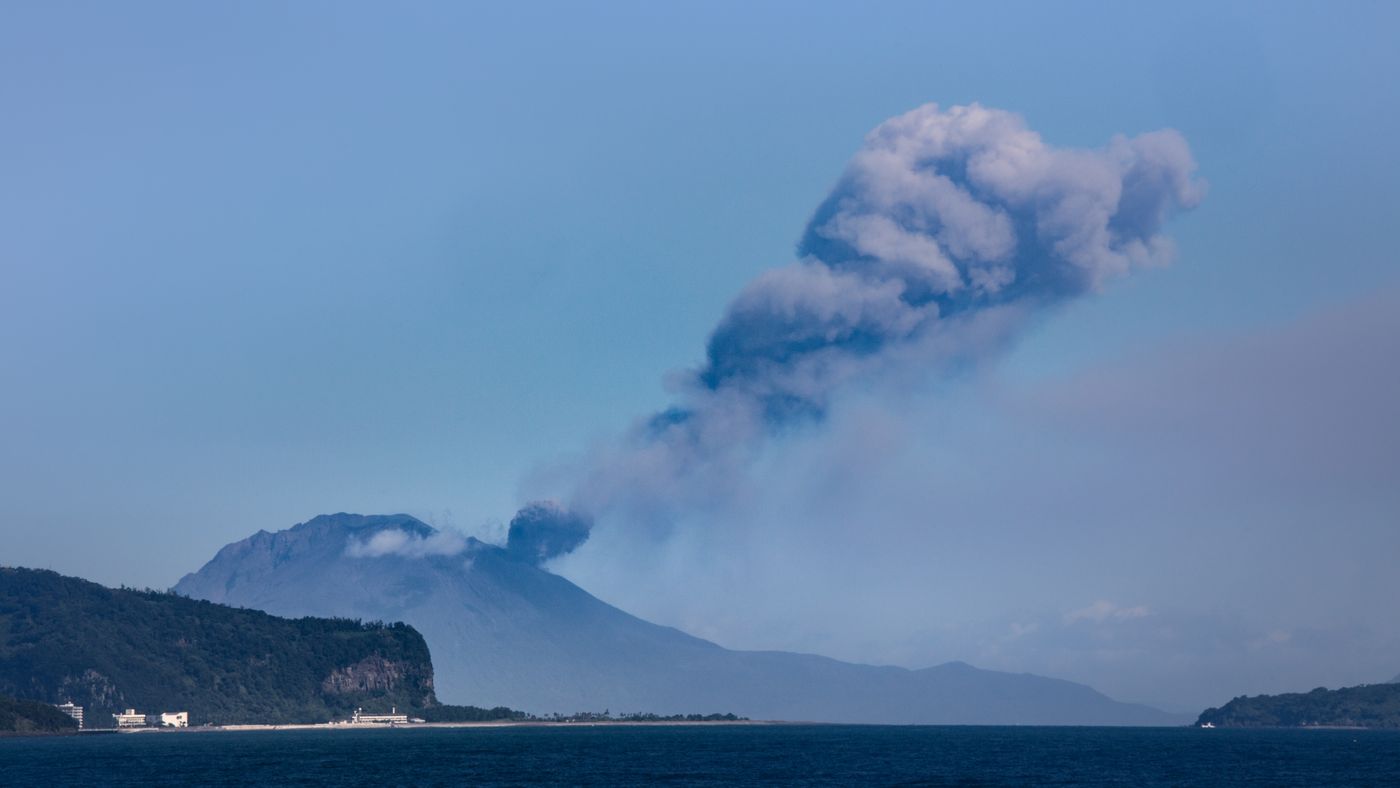
The mountain behind Kyoto's Ginkaku-ji, climbed via a clear, well-used trail to the site of the famous Daimonji bonfire character — the summit provides one of Kyoto's best panoramic city views, a reward disproportionate to the moderate effort required.
- Distance/time: 4 km round trip, 2–2.5 hours.
6. Mount Mitsumine area trails (三峯), Chichibu
The forested approach to Mitsumine Shrine in the Chichibu area, with ancient cedar groves and clear trail markings, provides a genuine mountain forest experience accessible by bus from Chichibu.
7. Tenjozan and the Arashiyama Hillside Trails, Kyoto
The hillside paths above the Arashiyama bamboo grove (connecting to Okochi Sanso and the upper temples) provide gentle elevation gain with consistently rewarding views.
8. Mount Hiei (比叡山), Kyoto/Shiga border
A more substantial climb than the previous entries but with excellent cable car options for partial ascent — the summit complex of Enryaku-ji (the head temple of Tendai Buddhism) provides a destination of genuine historical and spiritual significance.
- Distance/time: Full hike 6 km, 3 hours; cable car reduces this to a 30-minute walk from the upper station.
9. Hakone's Komagatake Ropeway Trails
The area around the Hakone Komagatake ropeway summit station provides easy walking trails with some of the best Mount Fuji viewing angles in the Hakone caldera on clear winter days.
10. Yakushima's Lower Trails (Shiratani Unsuikyo Short Loop)
For visitors who want a taste of Yakushima's ancient forest without committing to the full Jomon Sugi trek, the shorter loop trails within Shiratani Unsuikyo (covered in the dedicated Yakushima article) provide 1.5–2 hour options through genuine ancient moss forest.
Beginner Hiking Practical Notes
Trail markers: Japanese hiking trails are typically well-marked with numbered posts, distance/time signage, and color-coded difficulty indicators at trailheads — significantly more standardized than many international hiking systems.
What to bring: Even on "easy" Japanese trails, proper footwear with grip (trails can be muddy, rocky, or include stone steps), water, and a basic rain layer are essential — Japan's mountain weather changes quickly regardless of elevation.
Hyakumeizan awareness: None of these ten trails require Hyakumeizan-level commitment (see the dedicated 100 Famous Mountains article) — they are deliberately selected as approachable introductions to Japanese hiking culture.
🏨 Planning where to stay?
Every area guide on this site pairs with honest, station-by-station hotel picks. Start here: Hotel Guides by Station →