This article may contain affiliate links. If you book through them, we may earn a small commission at no extra cost to you.
On this page
Introduction: The Beer Country That Found Itself
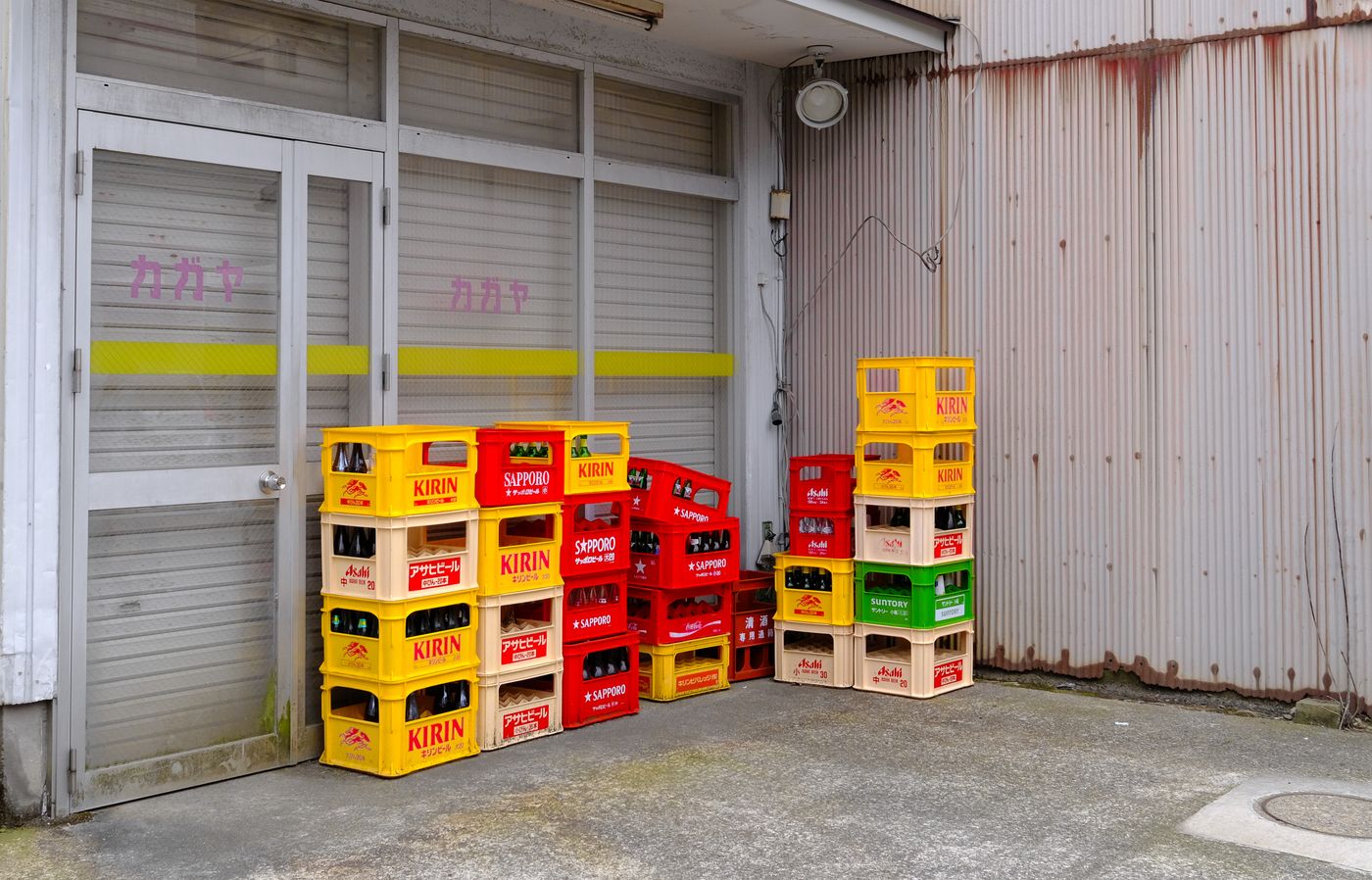
Japan's relationship with beer is long and specific: the country's four major brewing companies (Sapporo, Kirin, Asahi, Suntory) established a domestic beer culture of astonishing scale — Japan is the world's seventh-largest beer market — and an aesthetic of consistency, cleanliness, and reliable quality that Japanese consumers rewarded with extraordinary loyalty.
The craft beer movement — which arrived in Japan in the late 1990s following regulatory changes that lowered the minimum production volume required for a brewing license — has challenged this aesthetic with a counter-proposal: variety, character, and the maker's personality expressed in beer rather than corporate reliability. The Japanese craft beer scene has developed rapidly since 2010 and now includes some of the finest and most internationally distinctive craft beers produced anywhere.
The Tokyo Craft Beer Scene
Neighborhoods and Bars
Shibuya/Daikanyama corridor: The highest concentration of craft beer bars in Tokyo — international brands alongside domestic craft.
Shimokitazawa: Multiple craft beer bars serving the neighborhood's music and arts community — the social culture here is appropriate for independent beer.
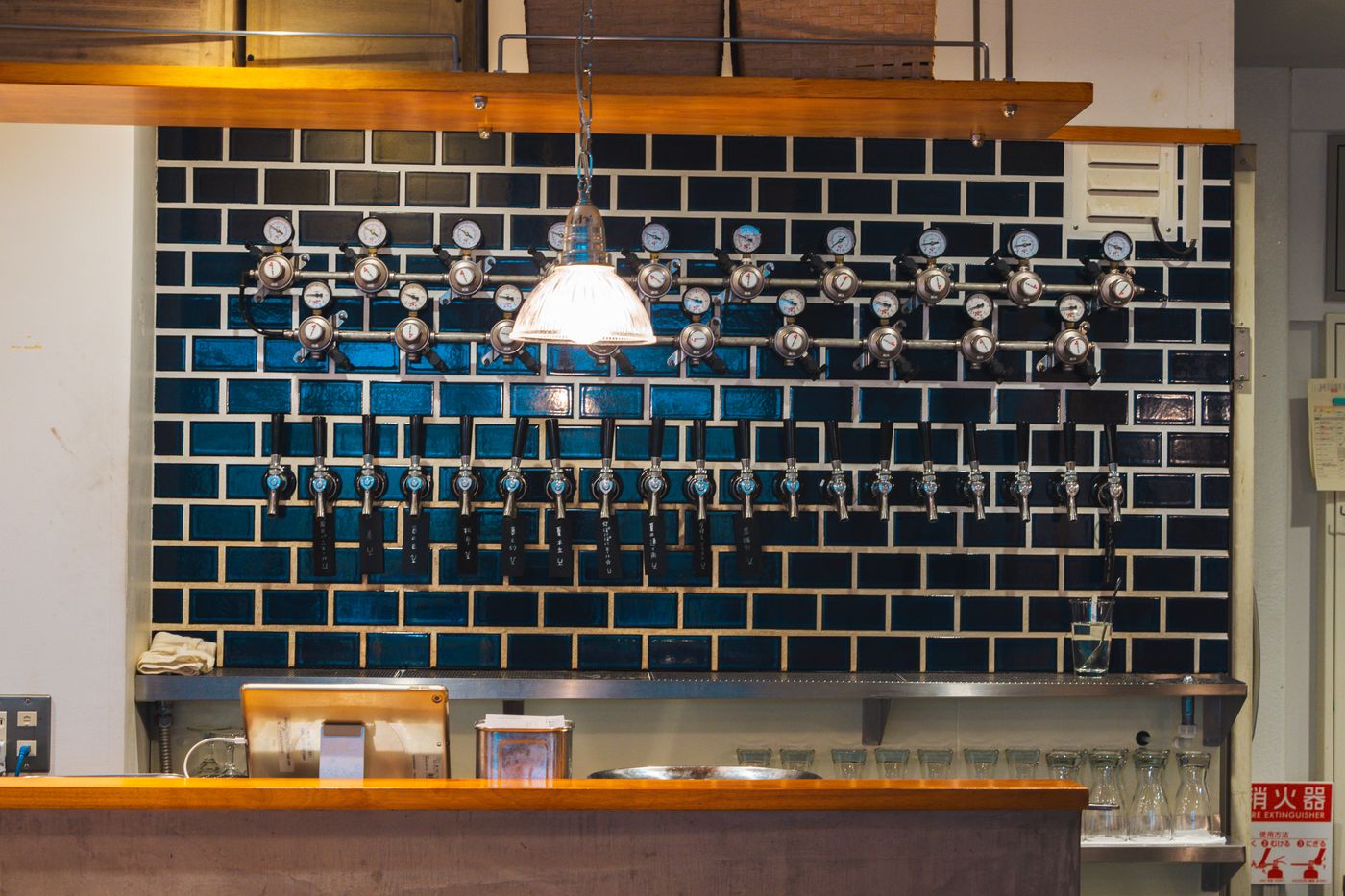
Craft Beer Market chain (クラフトビアマーケット): 40+ taps at multiple Tokyo locations — the most accessible craft beer bar experience in the city, with rotating Japanese and international taps, food menu, and reasonable prices.
Notable Japanese Craft Breweries
Yo-Ho Brewing (ヤッホーブルーイング): Based in Karuizawa, Nagano — the most internationally recognized Japanese craft beer brand. Their Yona Yona Ale (よなよなエール) is the definitive Japanese craft beer — an American pale ale with an accessible, distinctively hoppy character that introduced craft beer to a generation of Japanese consumers. Widely available at convenience stores.
Swan Lake Beer (スワンレイクビア): Niigata Prefecture — a rice-growing region whose water quality and rice availability has produced a specific Japanese craft beer terroir. Swan Lake's Amber Ale uses locally grown Koshihikari rice as an adjunct.
Baird Beer (ベアードビール): A Japanese-American collaboration brewery in Shizuoka — the most technically ambitious and stylistically diverse Japanese craft brewery, with annual releases covering IPA, stout, Belgian styles, and seasonal collaborations.
Kyoto and Kansai Craft Beer
Kyoto Brewing Company (京都醸造株式会社)
Kyoto Brewing — founded in 2015 by Canadian, Welsh, and American brewers — produces Belgian-influenced craft beer in a Kyoto setting. Their Brasserie Taproom in the Nishi-Kyogoku area (not a tourist area — a 20-minute bicycle ride from Kyoto Station) is one of Japan's finest brewery taproom experiences.
The specific character of Kyoto Brewing's beers reflects the founders' Belgian backgrounds — saison, farmhouse ale, and witbier styles that use Kyoto's famous soft water in ways the city's traditional sake brewers have explored for centuries.
Minoh Beer (箕面ビール)
Minoh Beer — from Minoh City adjacent to Osaka — is one of Japan's most award-winning craft breweries, repeatedly recognized at the World Beer Cup and International Beer Challenge. Their W-IPA (a double IPA) was the first Japanese craft beer to achieve significant international award recognition.
Regional Japanese Ingredients in Craft Beer
The most specifically Japanese contribution to international craft beer culture has been the incorporation of traditional Japanese ingredients into Western beer formats:
Yuzu (柚子): The aromatic Japanese citrus — its floral, intensely fragrant juice and zest added to wheat beer styles produces a result that is unmistakably Japanese while functioning within recognizable beer format.
Matcha (抹茶): Added to stouts and porters — the bitterness of the tea (similar in character to chocolate bitterness in standard stouts) integrates naturally while adding a specific Japanese flavor dimension.
Sake lees (酒粕 / sakekasu): The byproduct of sake brewing — added to beer as a fermentation supplement, producing a sake-beer hybrid with its own specific flavor character.
Japanese hops (ホップ): Recently developed Japanese hop varieties — particularly from Hokkaido and Iwate Prefecture — producing aromatics (tropical, floral, herbal) distinct from American and European hops.
Planning where to stay in Tokyo? Browse our honest hotel picks and area guides.
🏨 Planning where to stay?
Every area guide on this site pairs with honest, station-by-station hotel picks. Start here: Tokyo Hotel Guides →